 Image 1 of 4
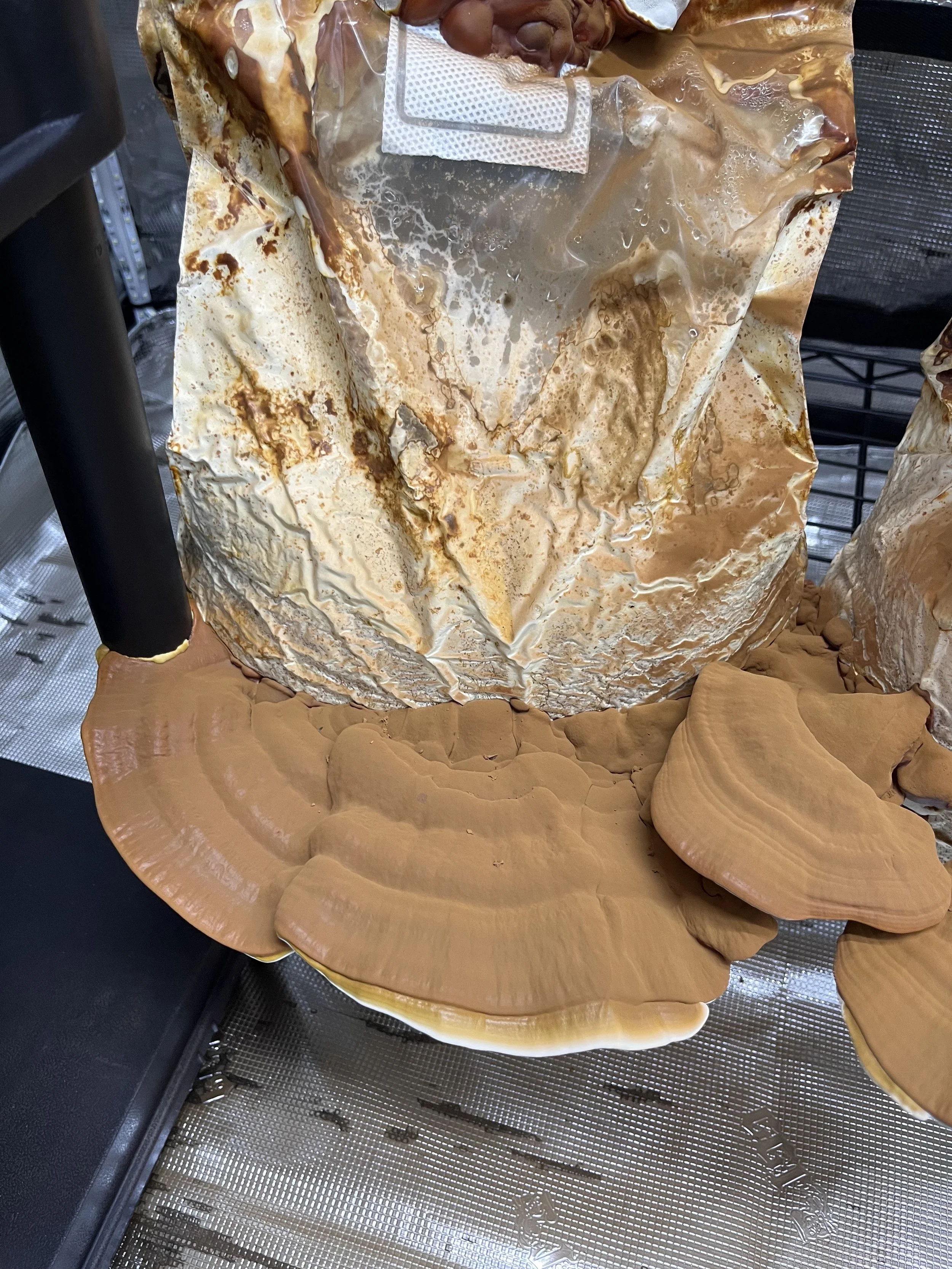 Image 2 of 4
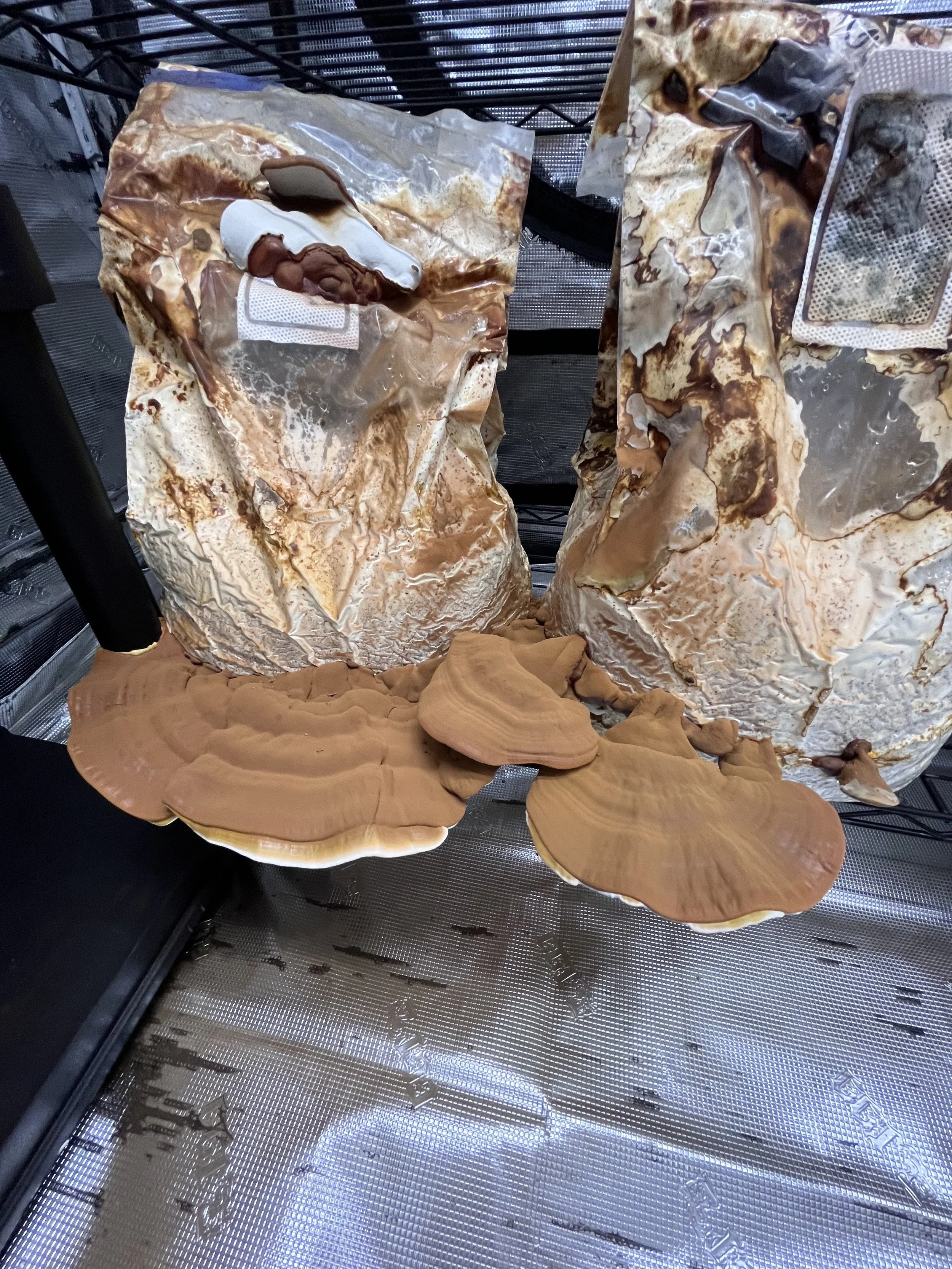 Image 3 of 4
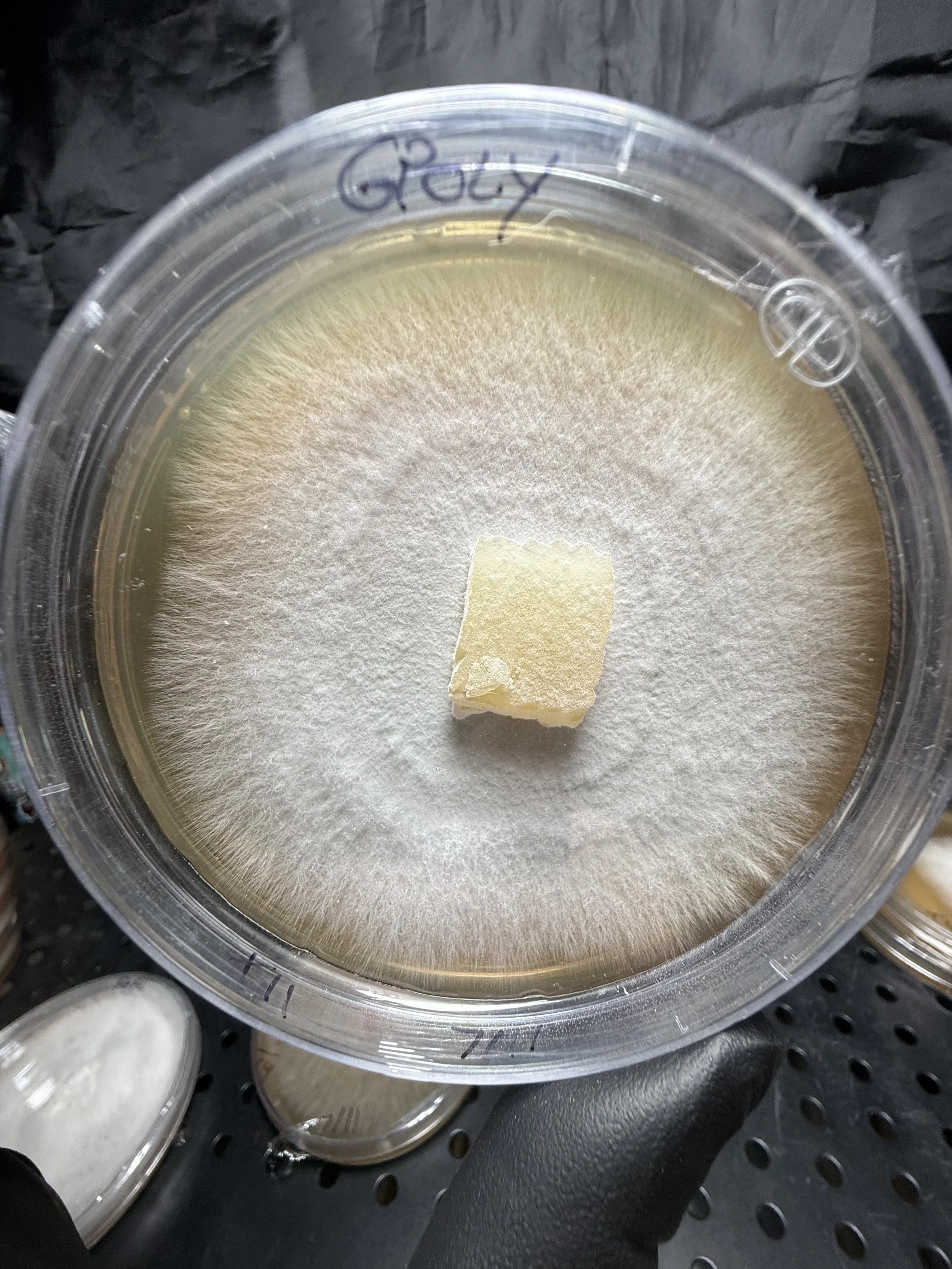 Image 4 of 4
Jacksonville Grown | Small Batch | Support Available | Florida-Focused Learning
Transfers made to order — on MYA plate
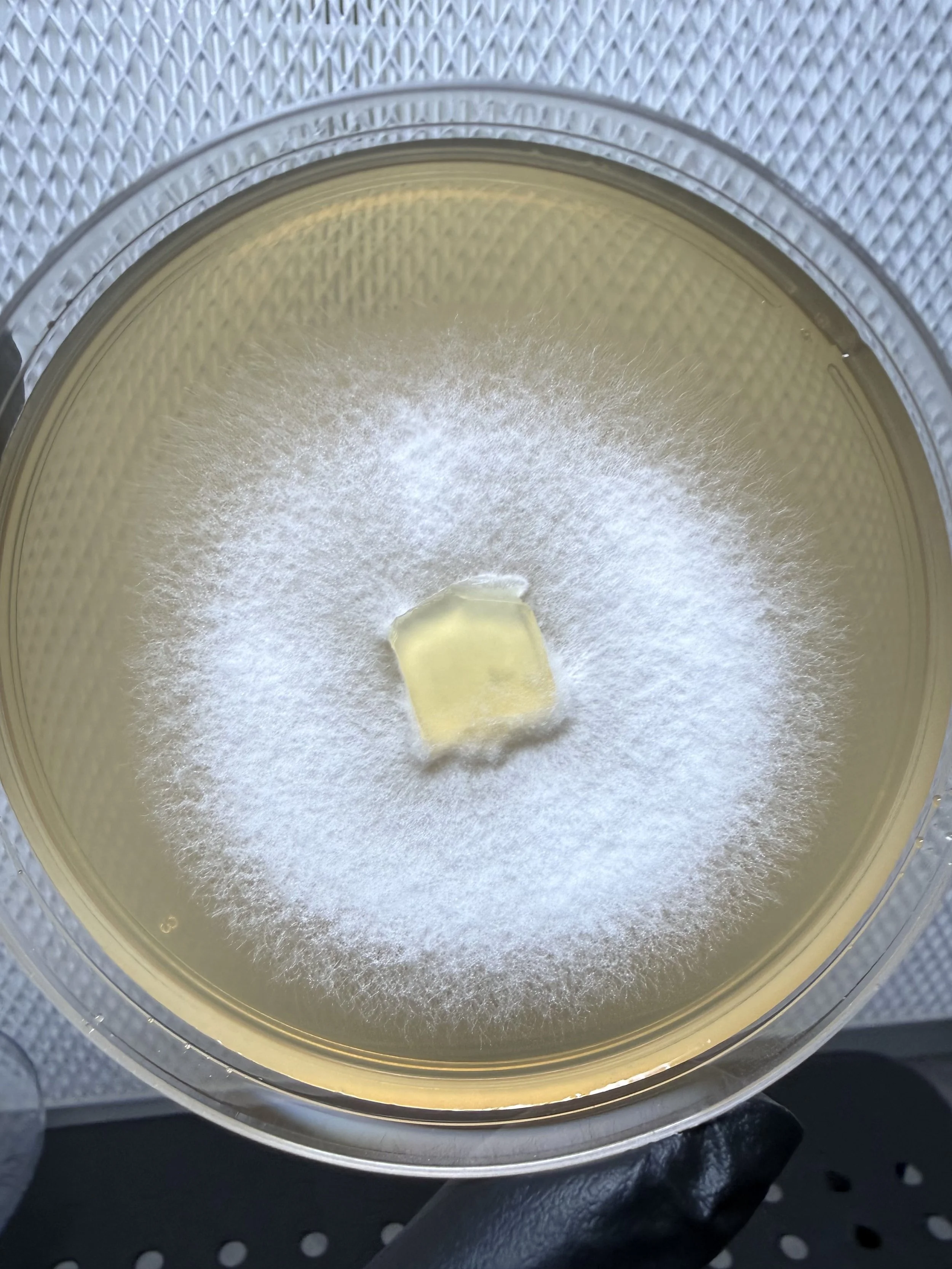
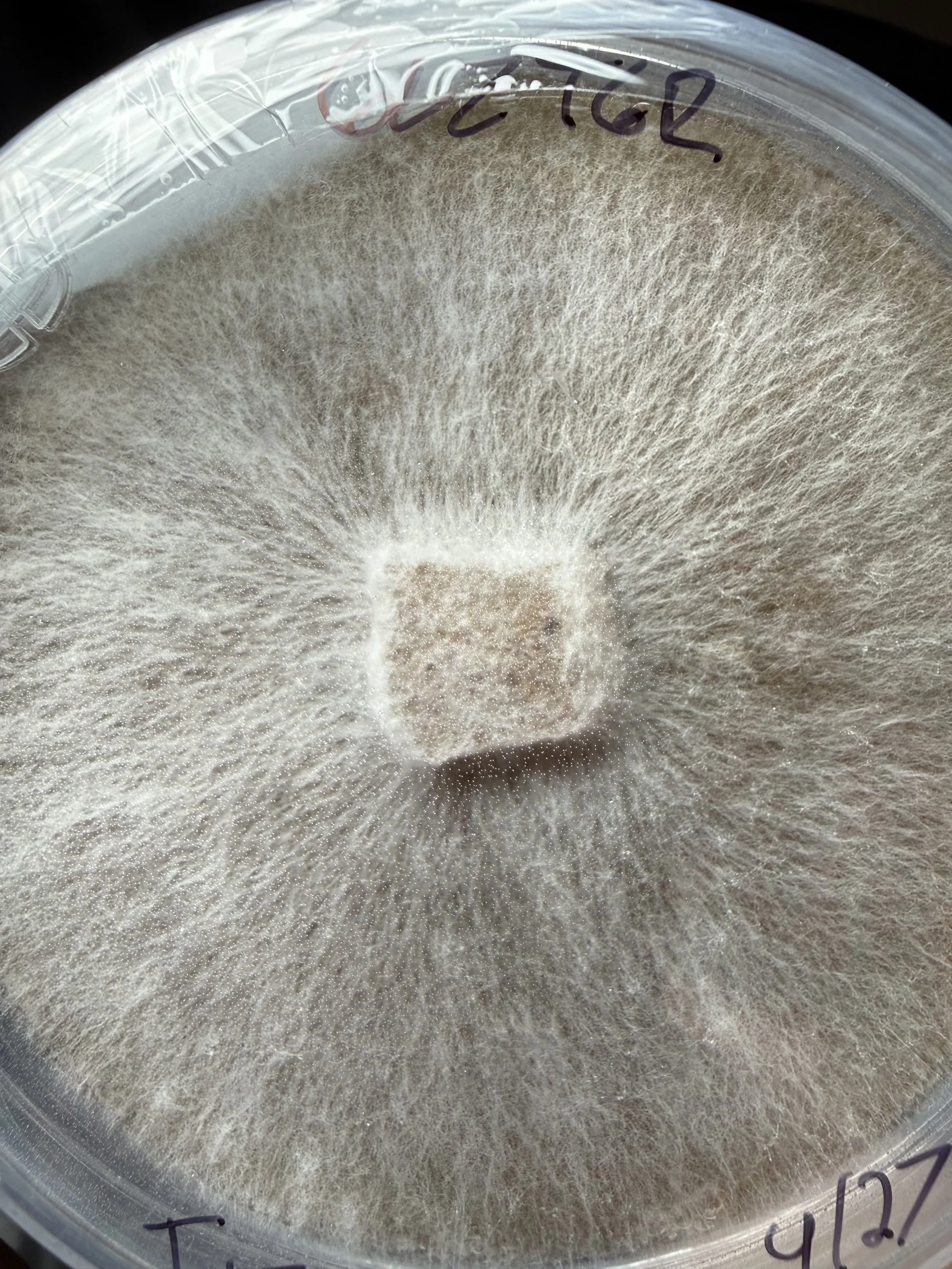
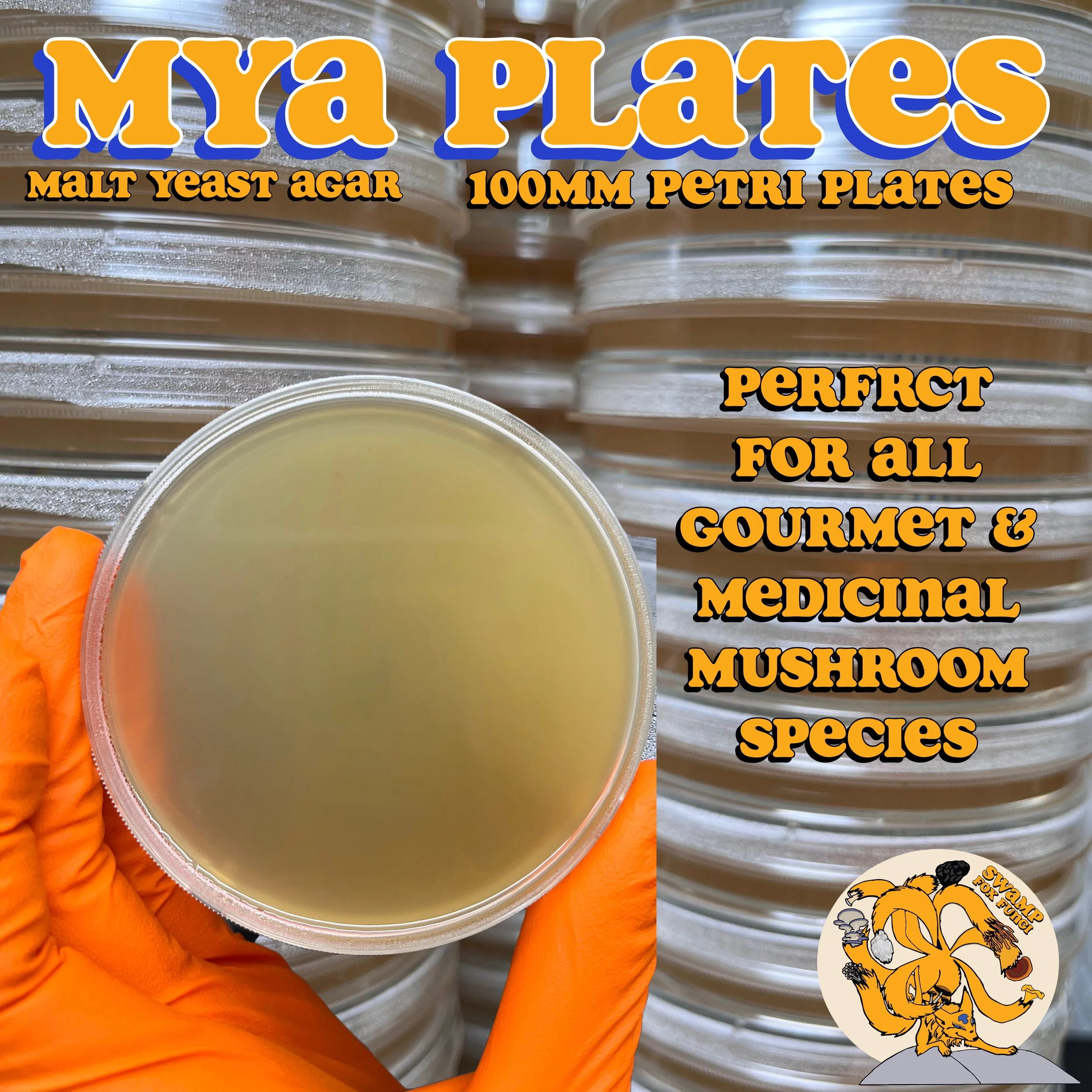
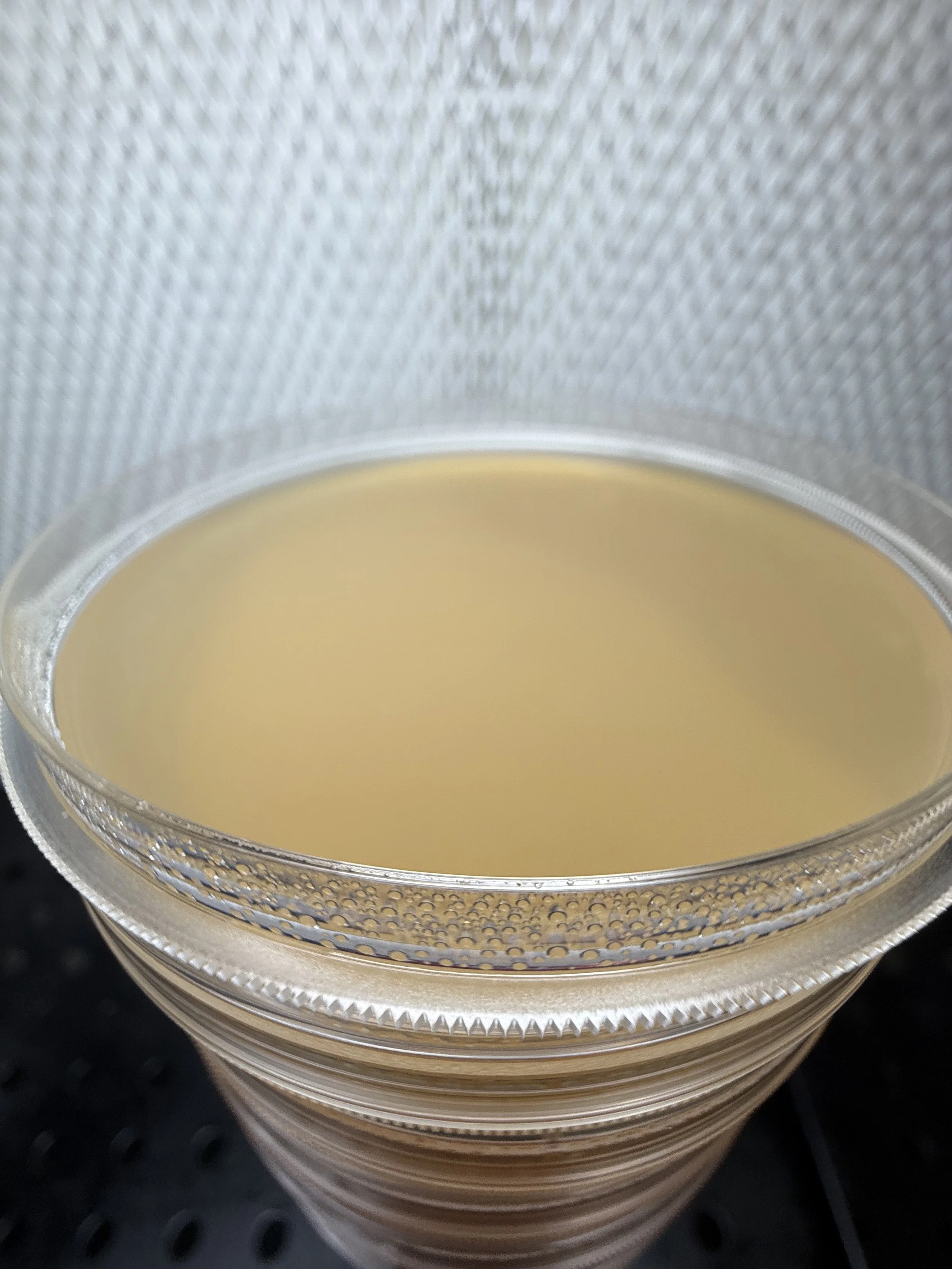
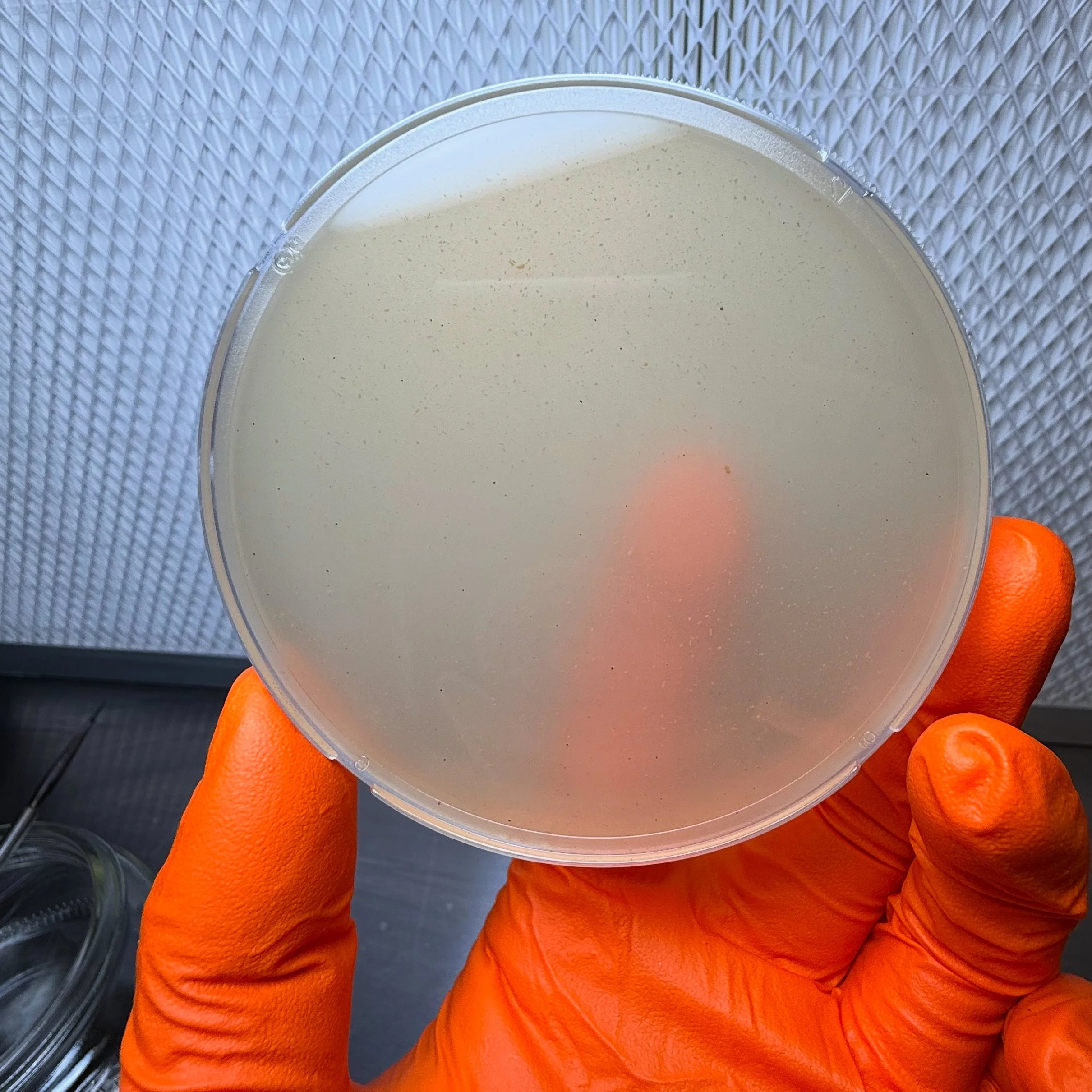
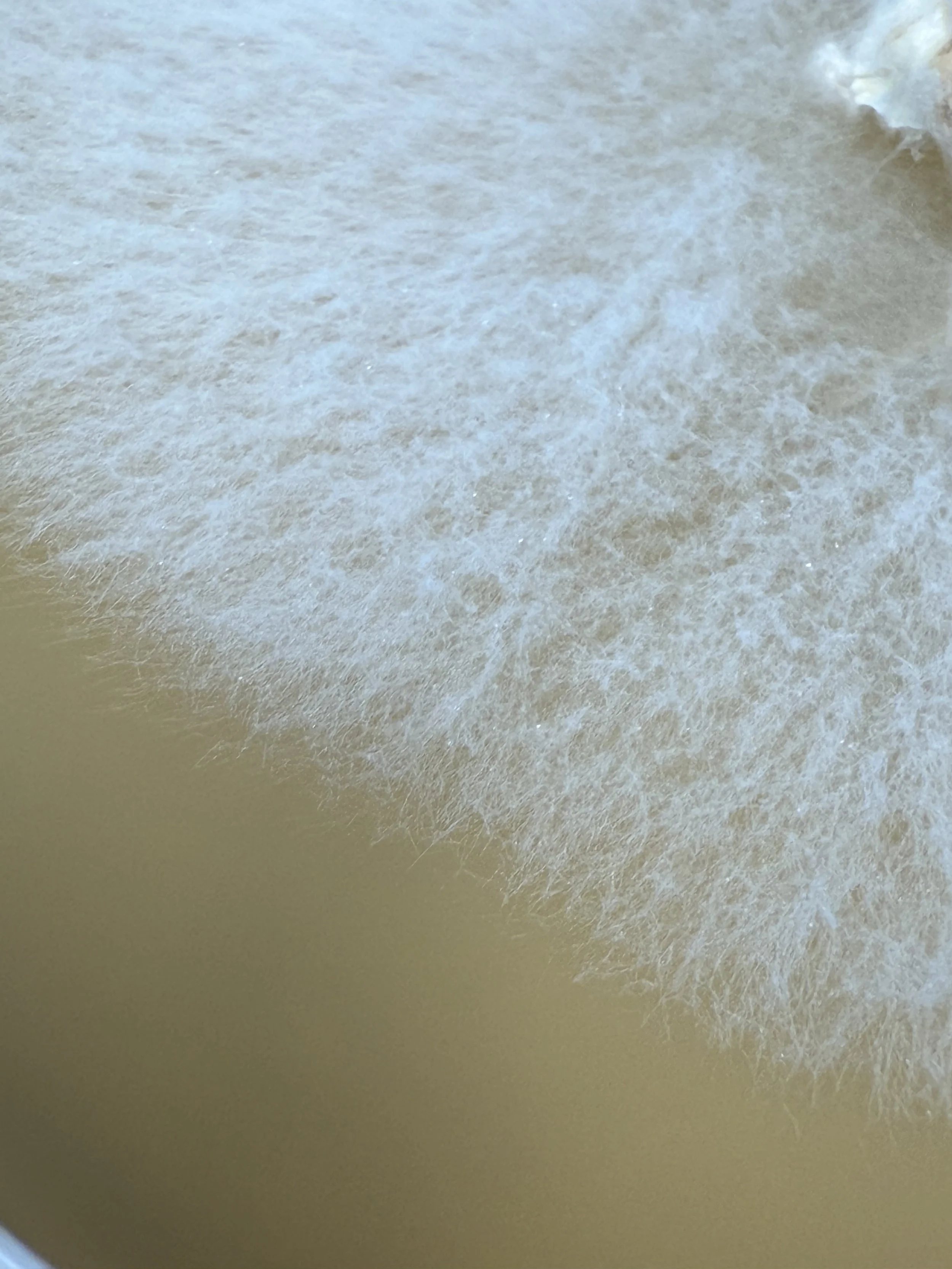
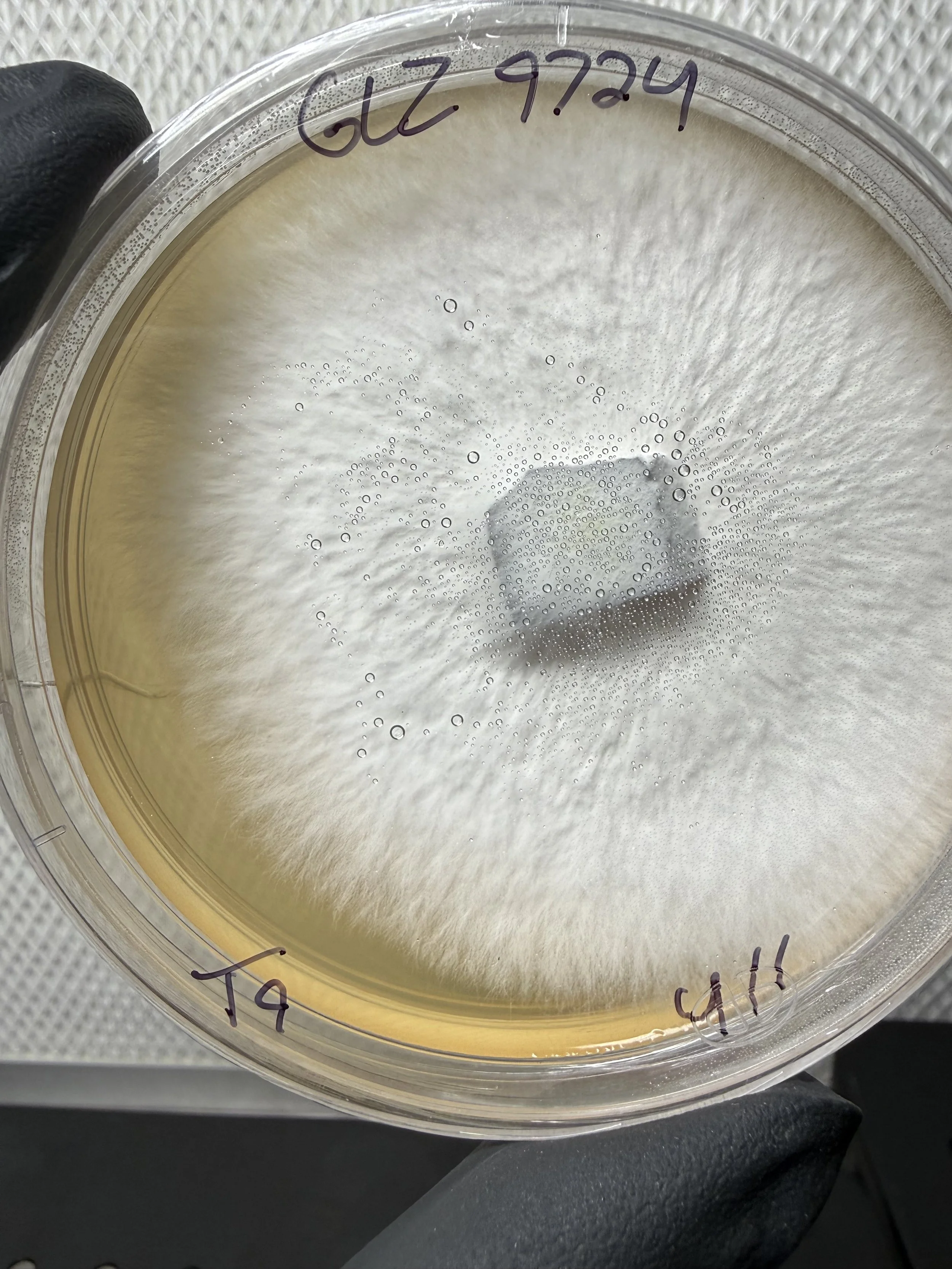
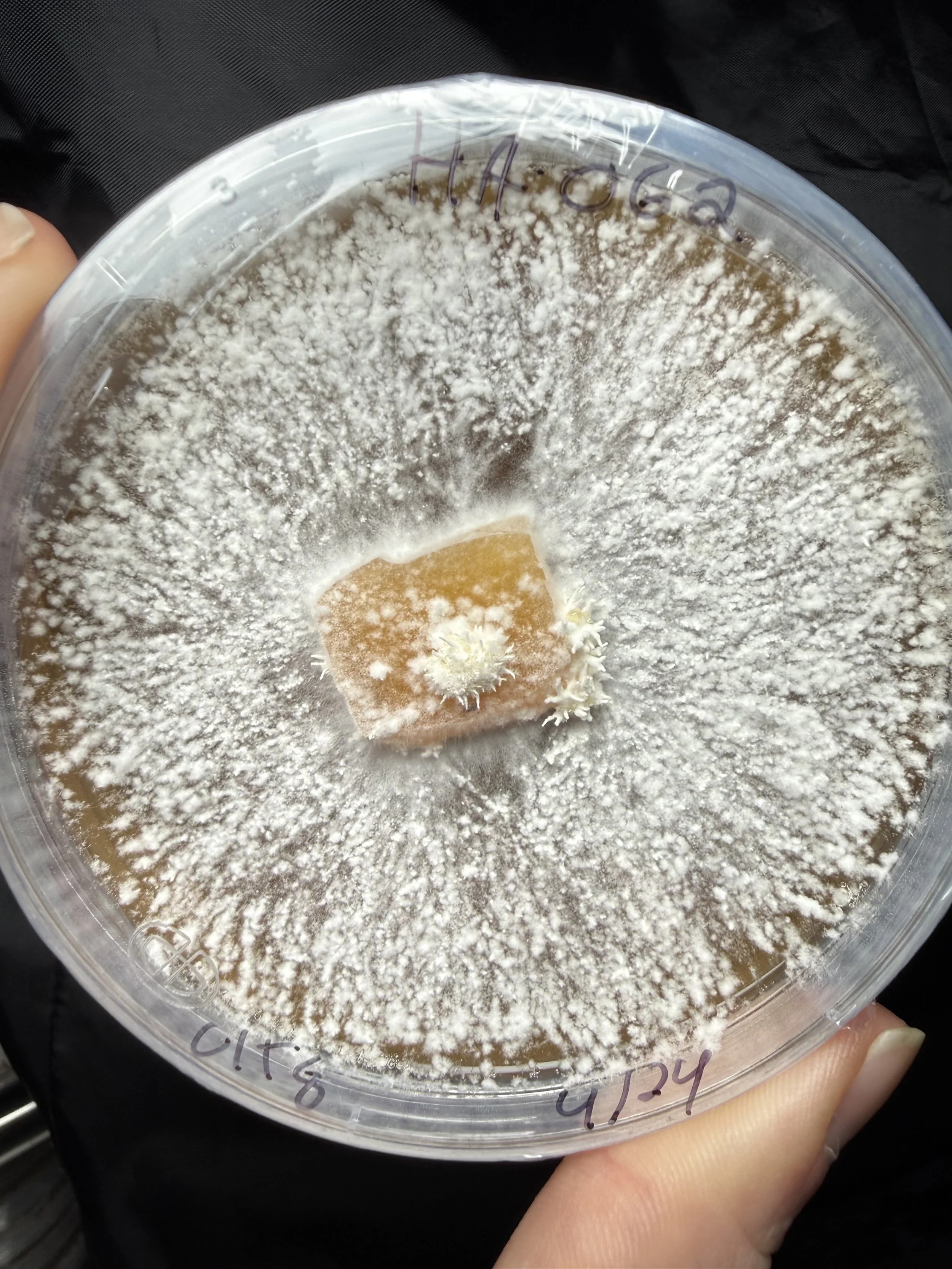
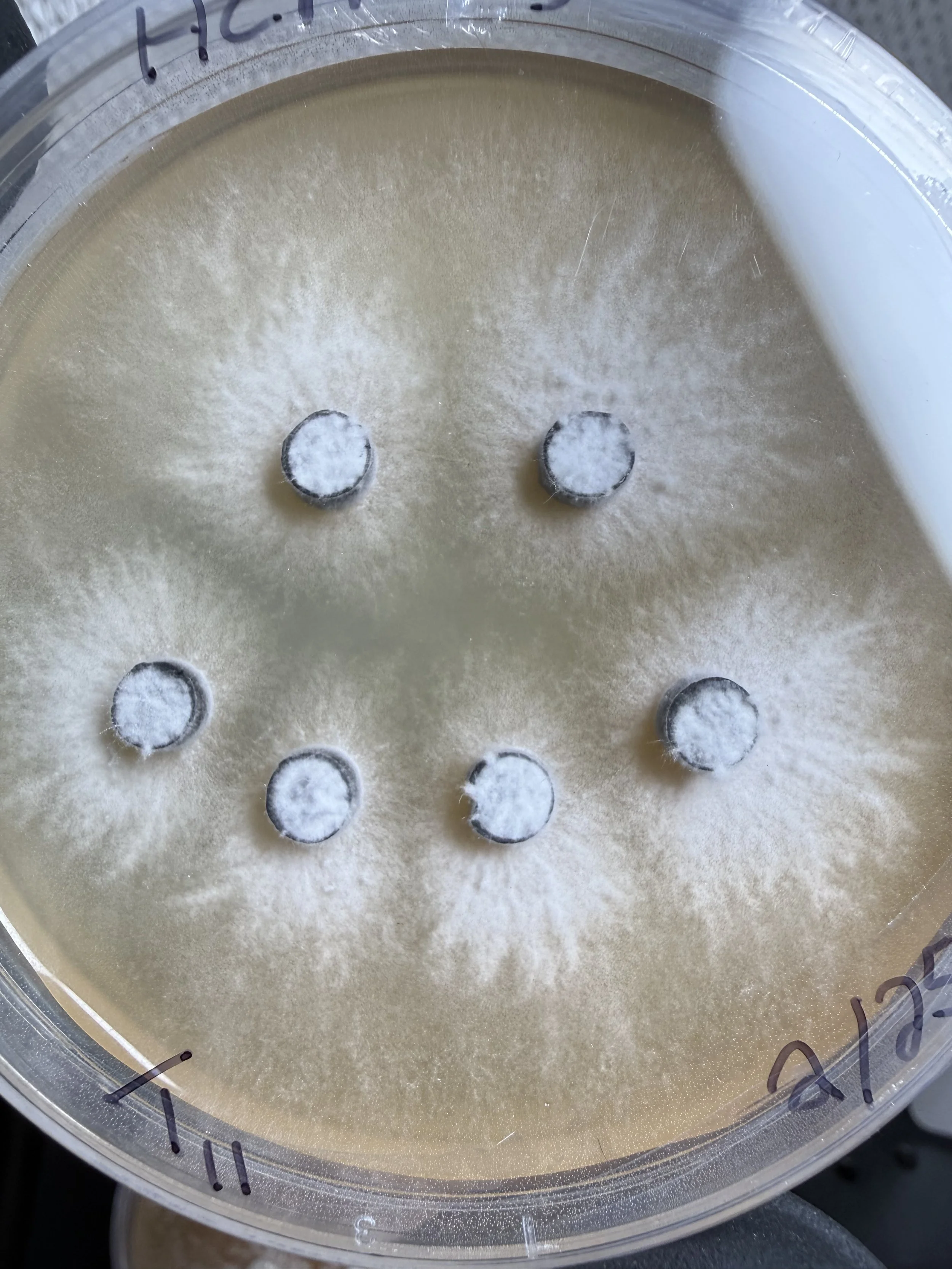
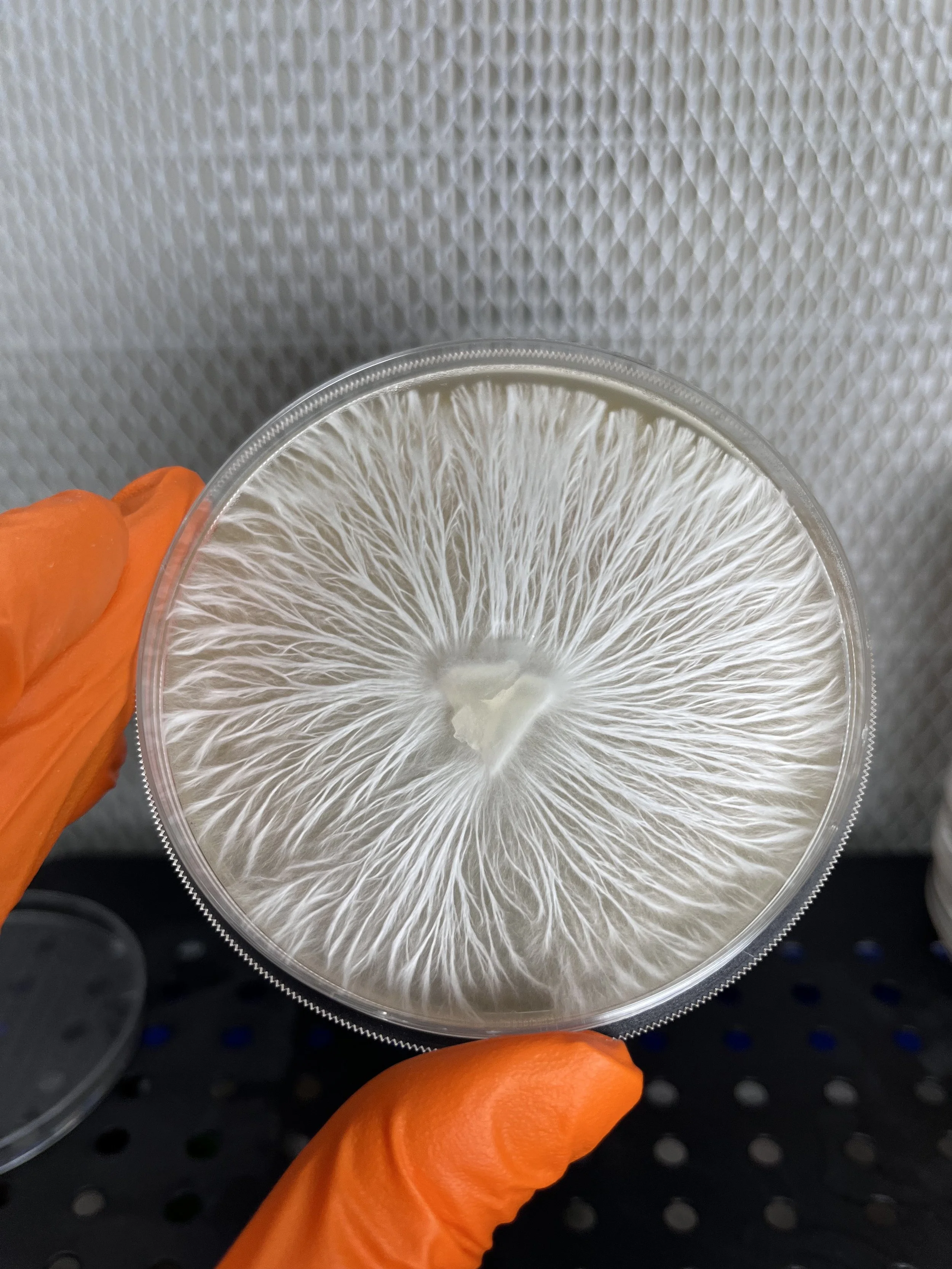
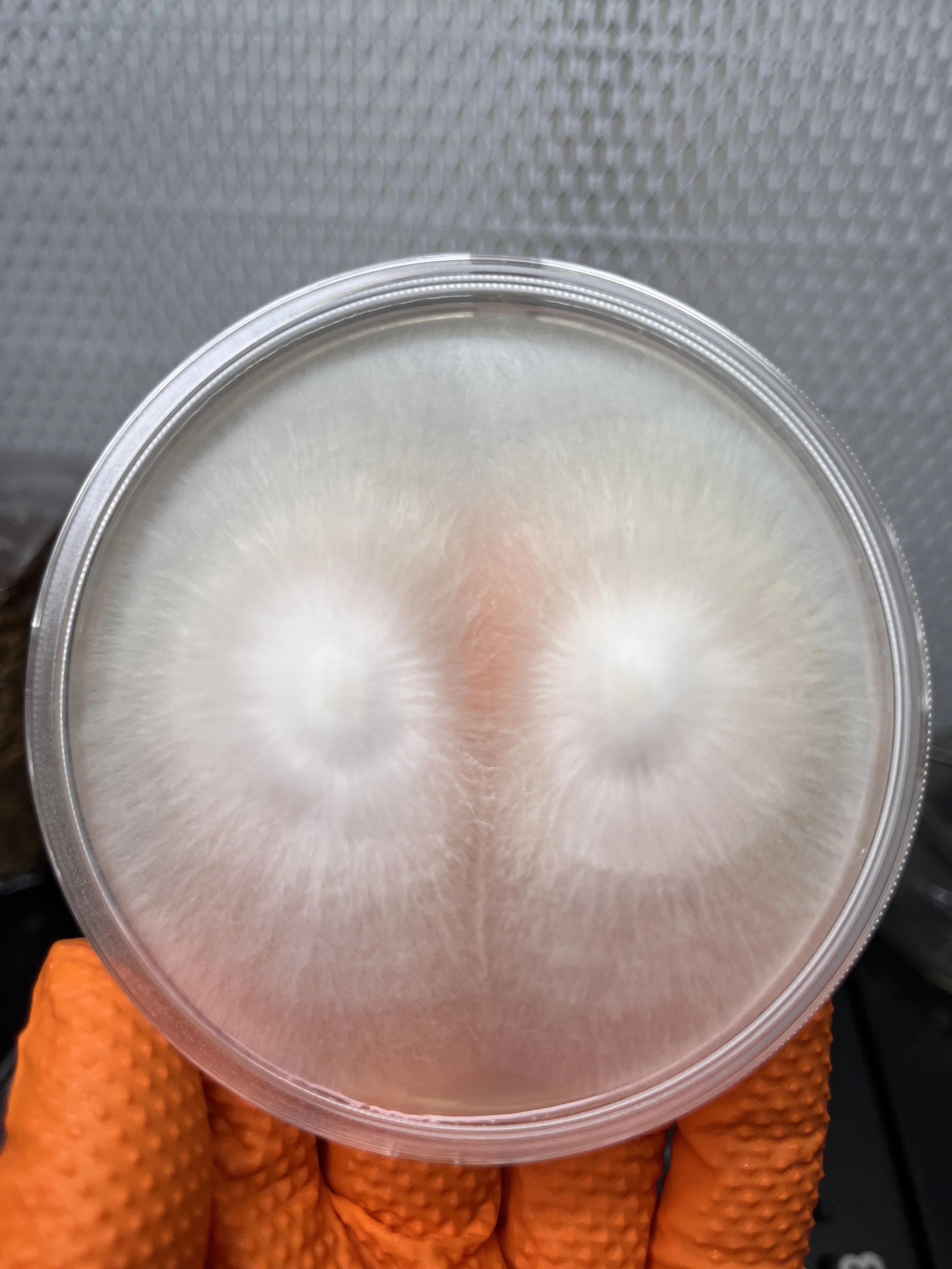
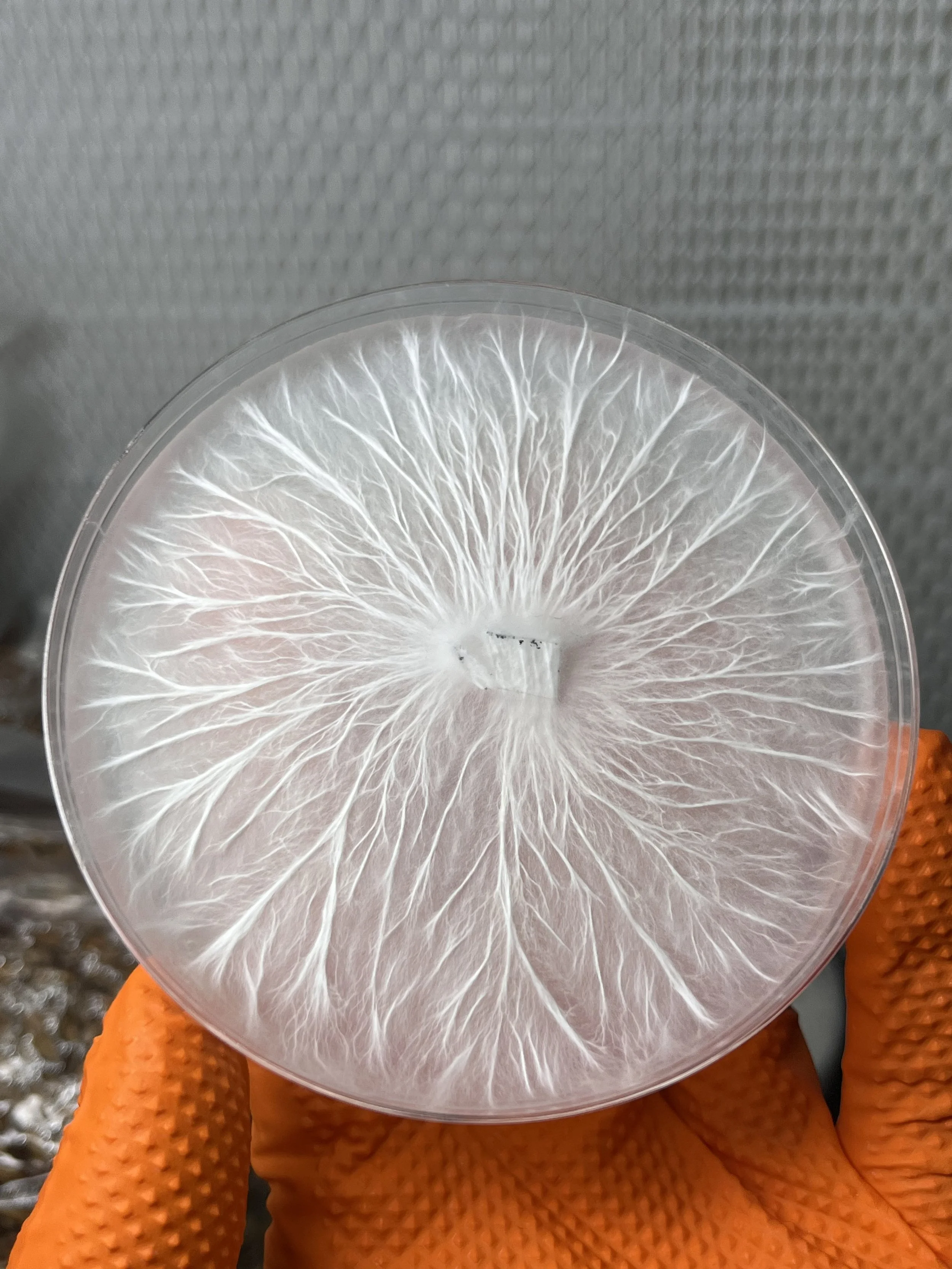
You Receive 1 Fresh 100mm MYA dish of Ganoderma polychromum mycelium ready for your further expansion.
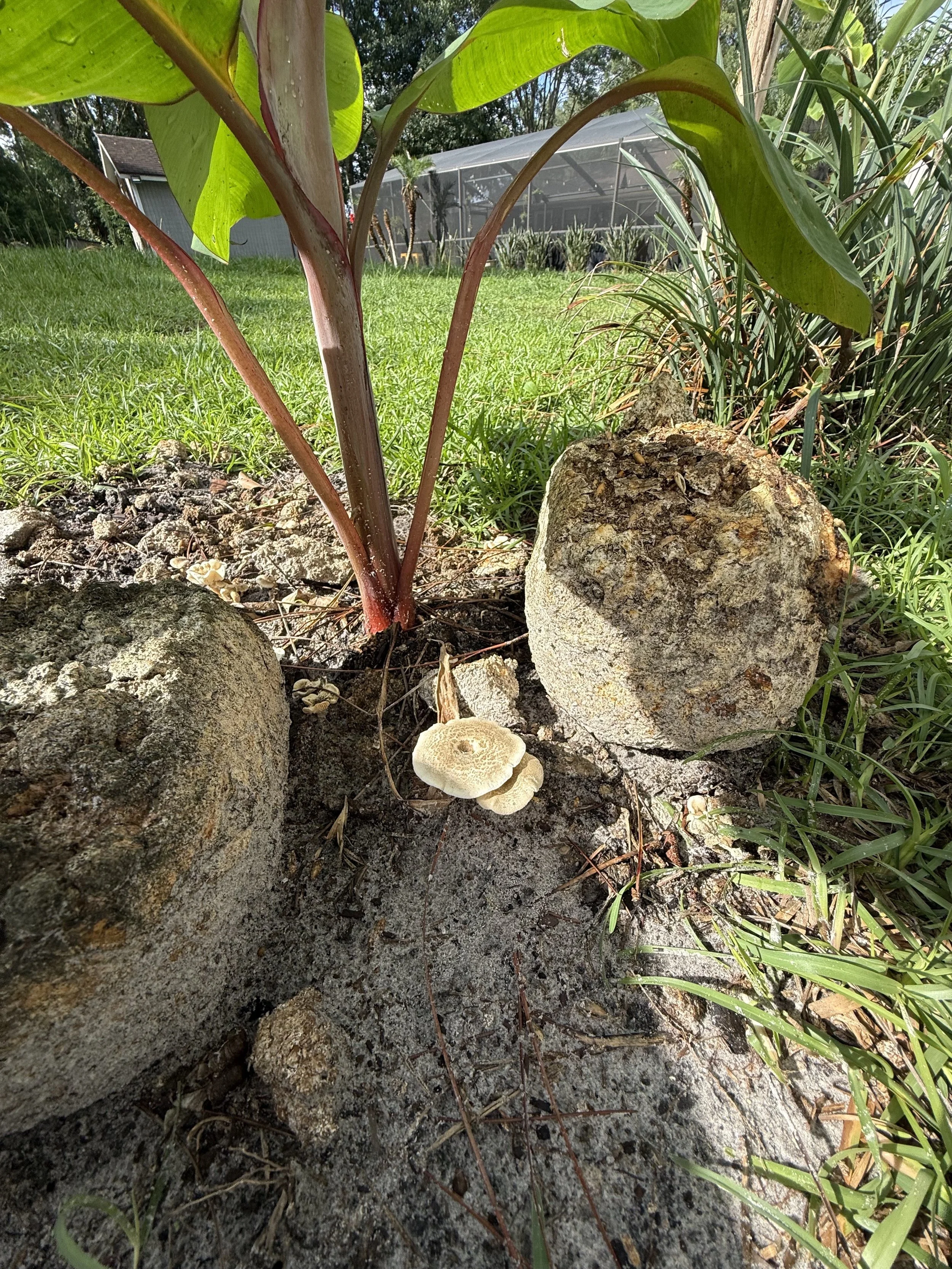
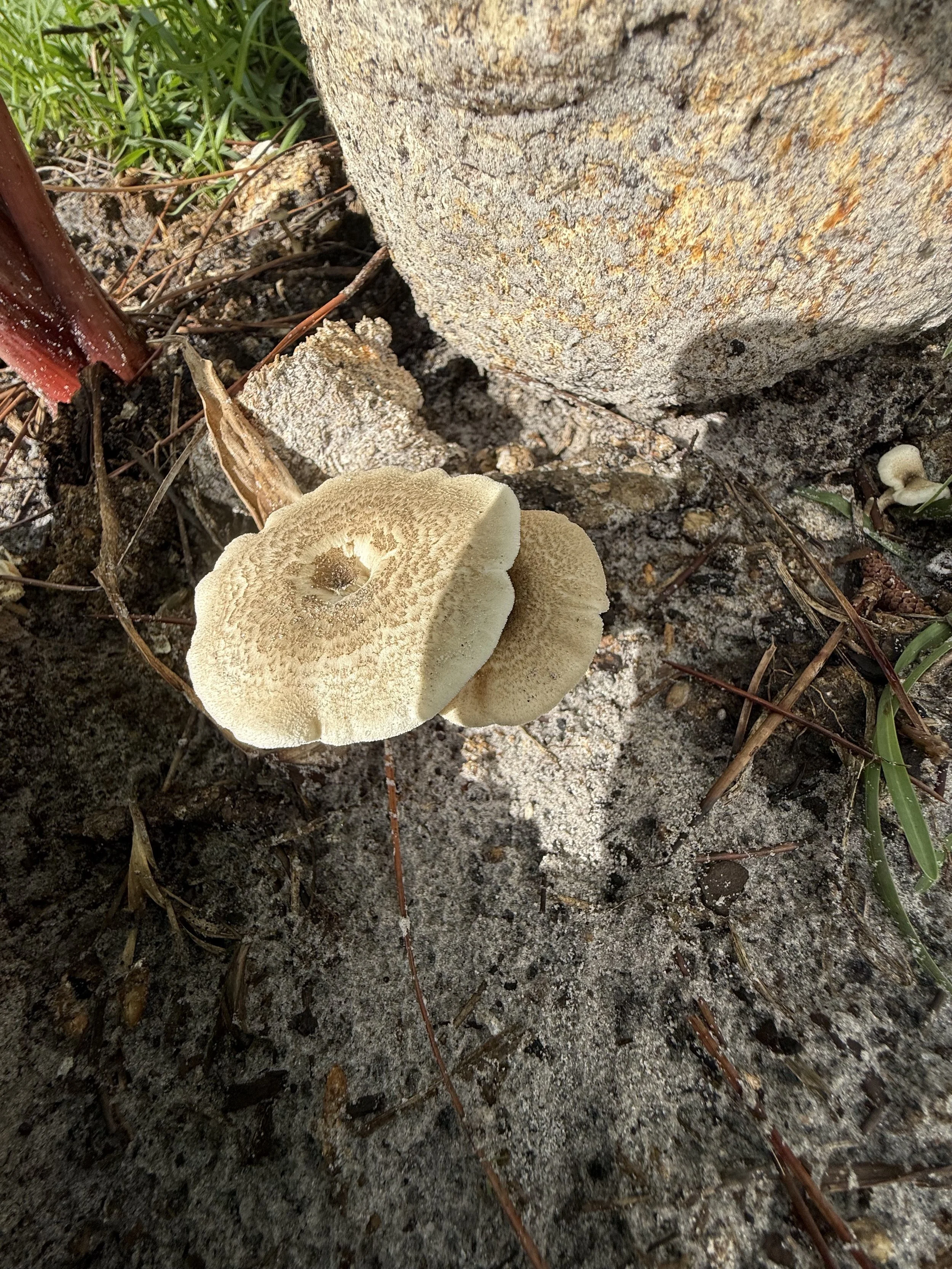
GPOLY is a Ganoderma polychromum culture sourced through Mycrodex. This is a species that doesn't get nearly the attention it deserves. G. polychromum is a tropical and subtropical wood-rotting polypore found fruiting in warmer regions of the Western US.
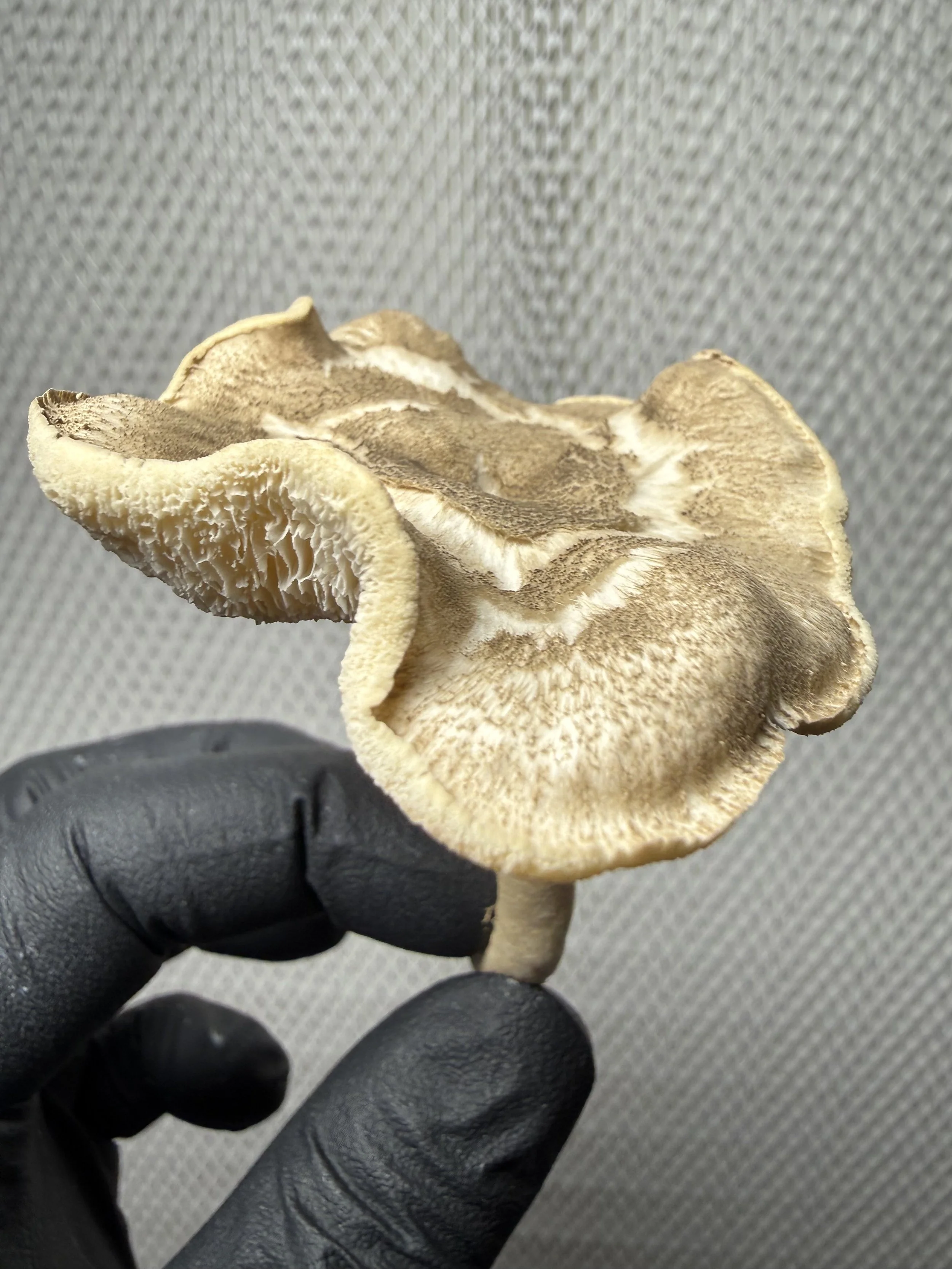
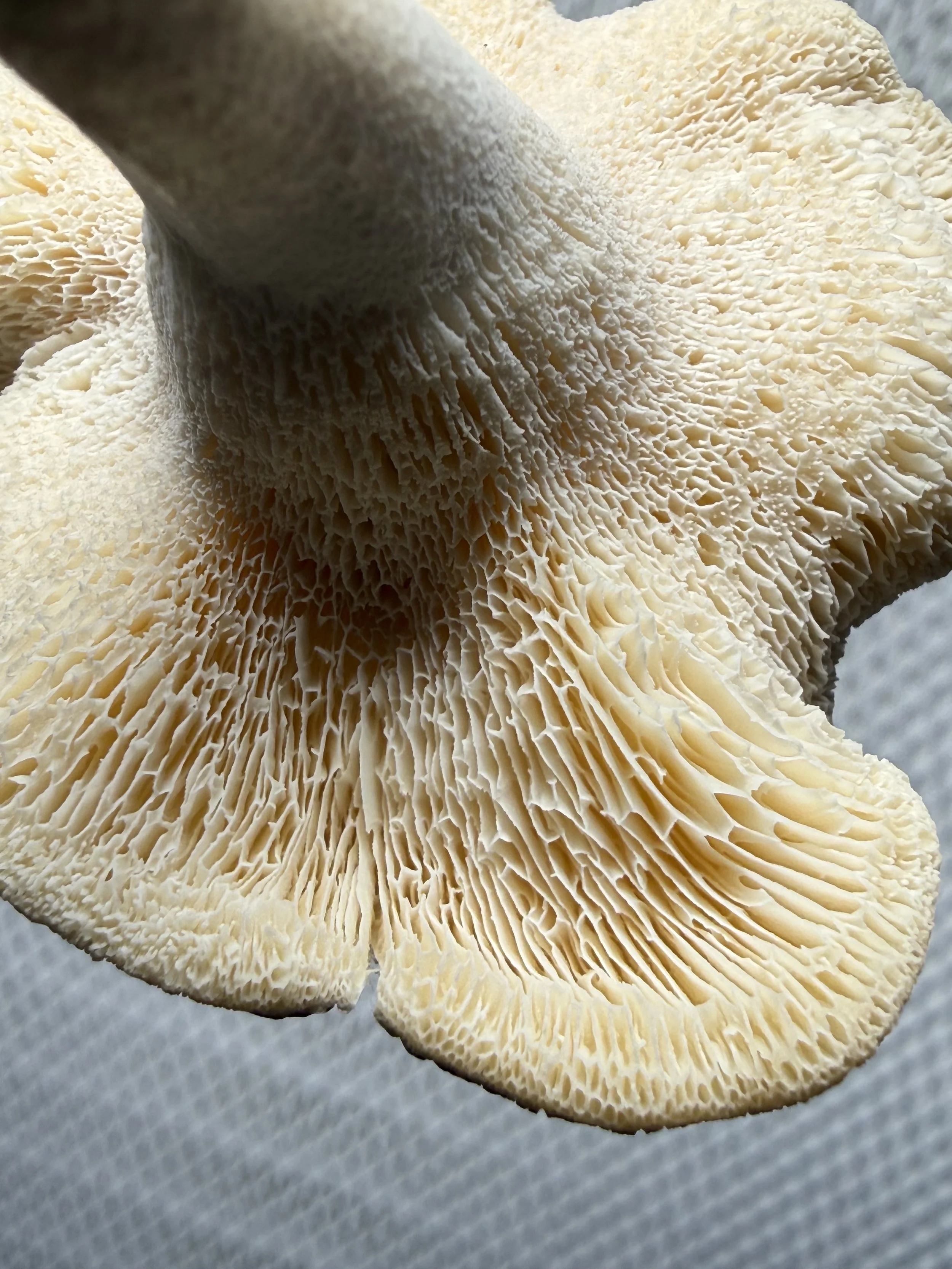
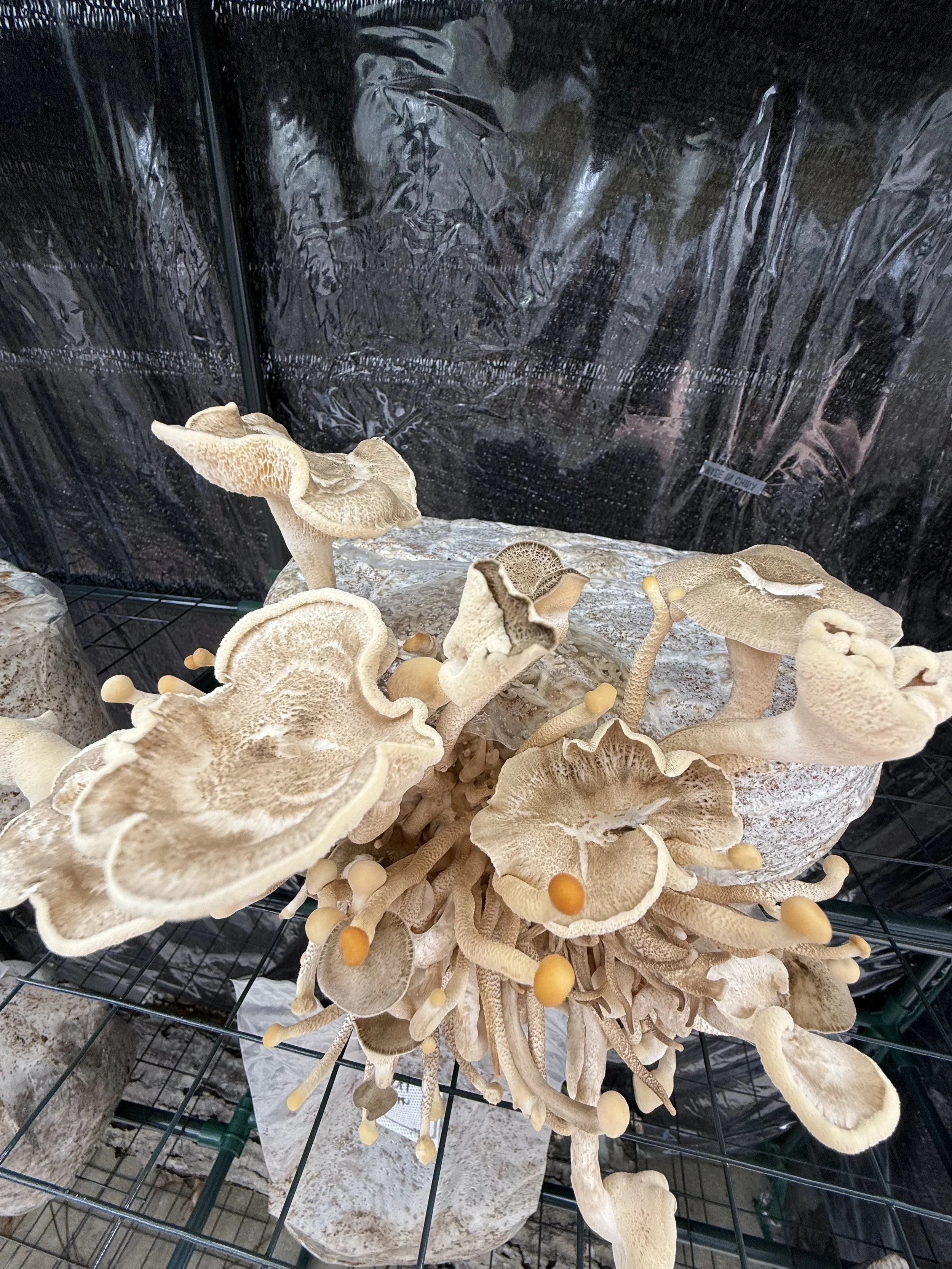
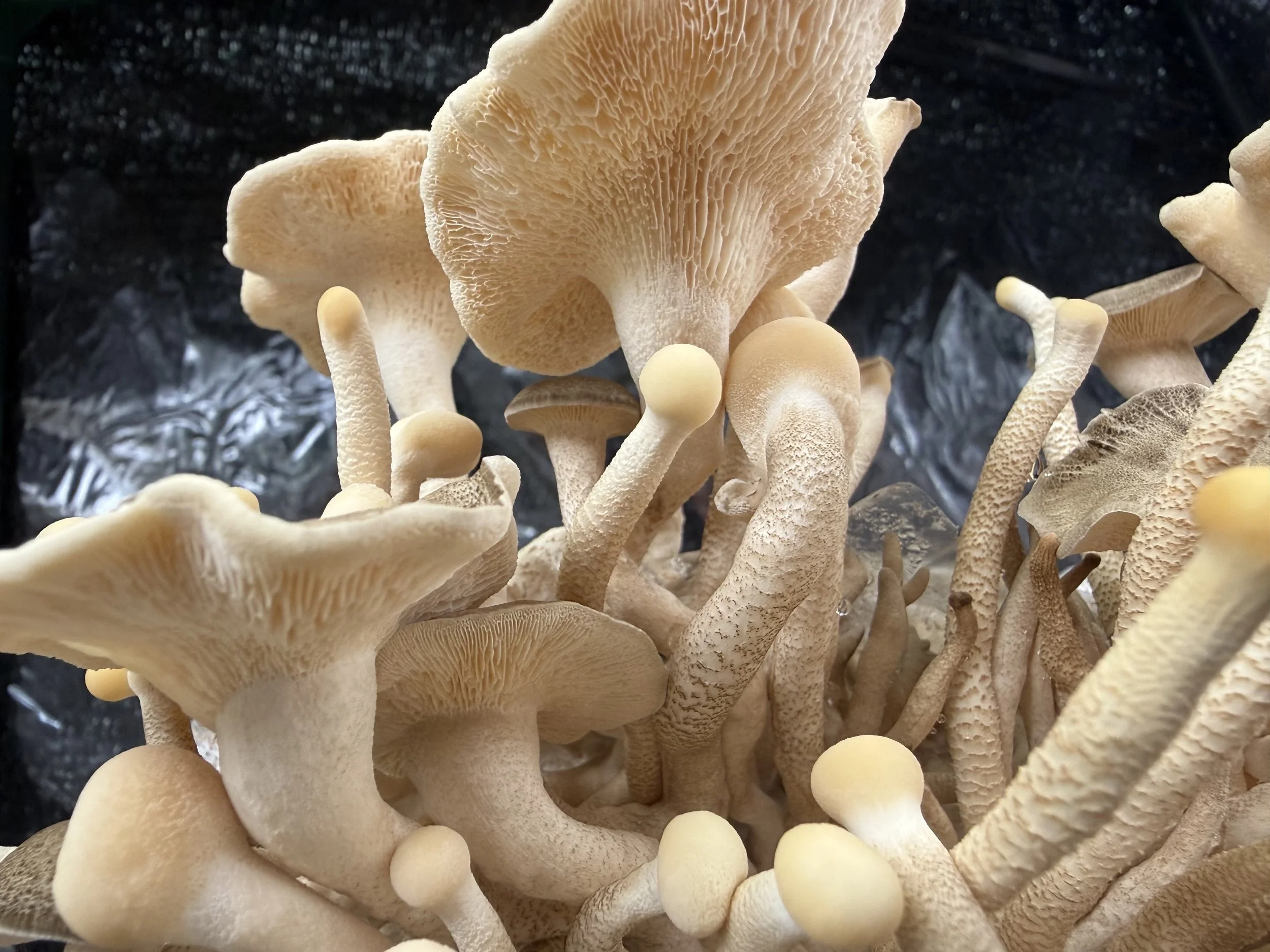
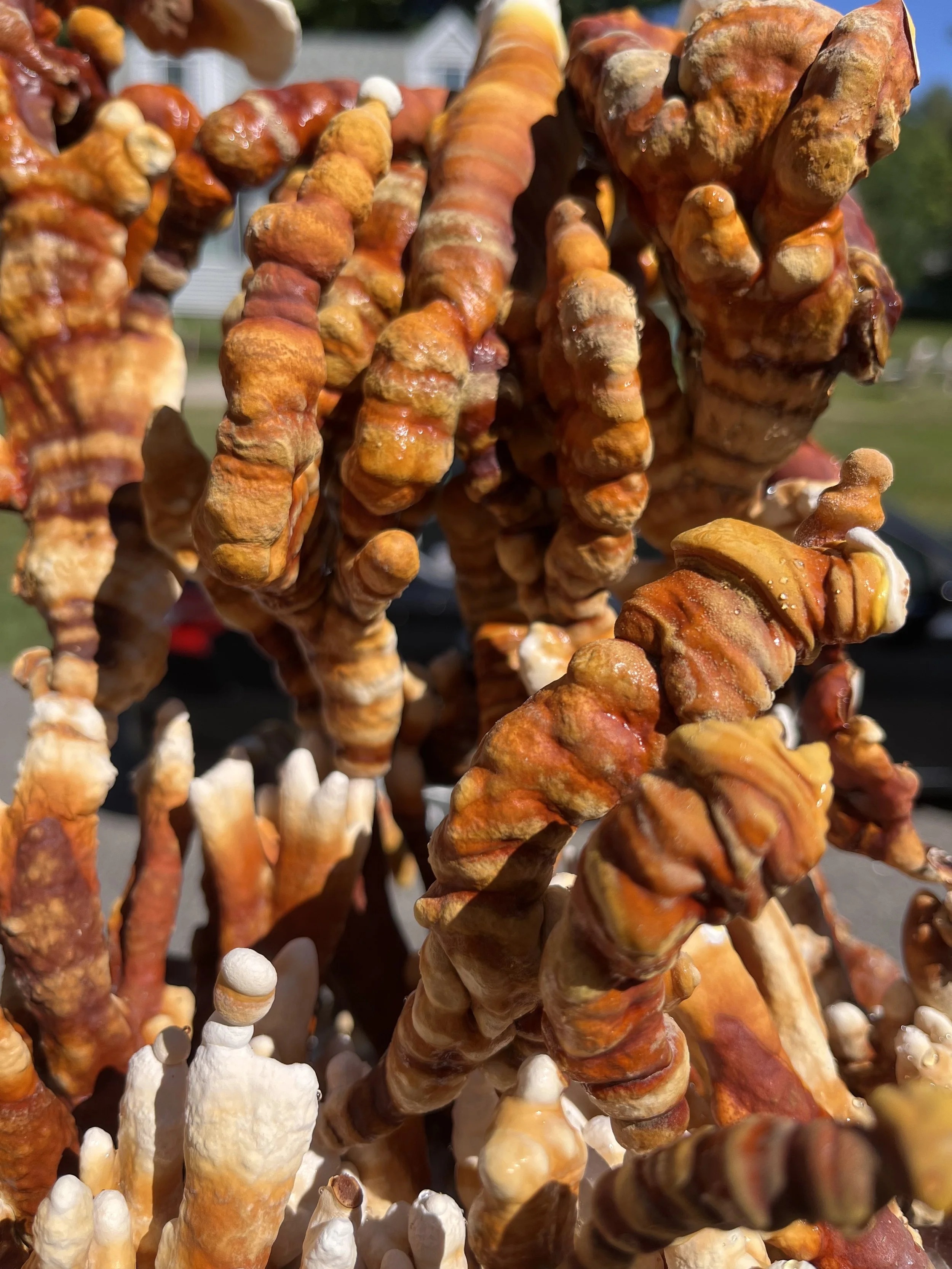
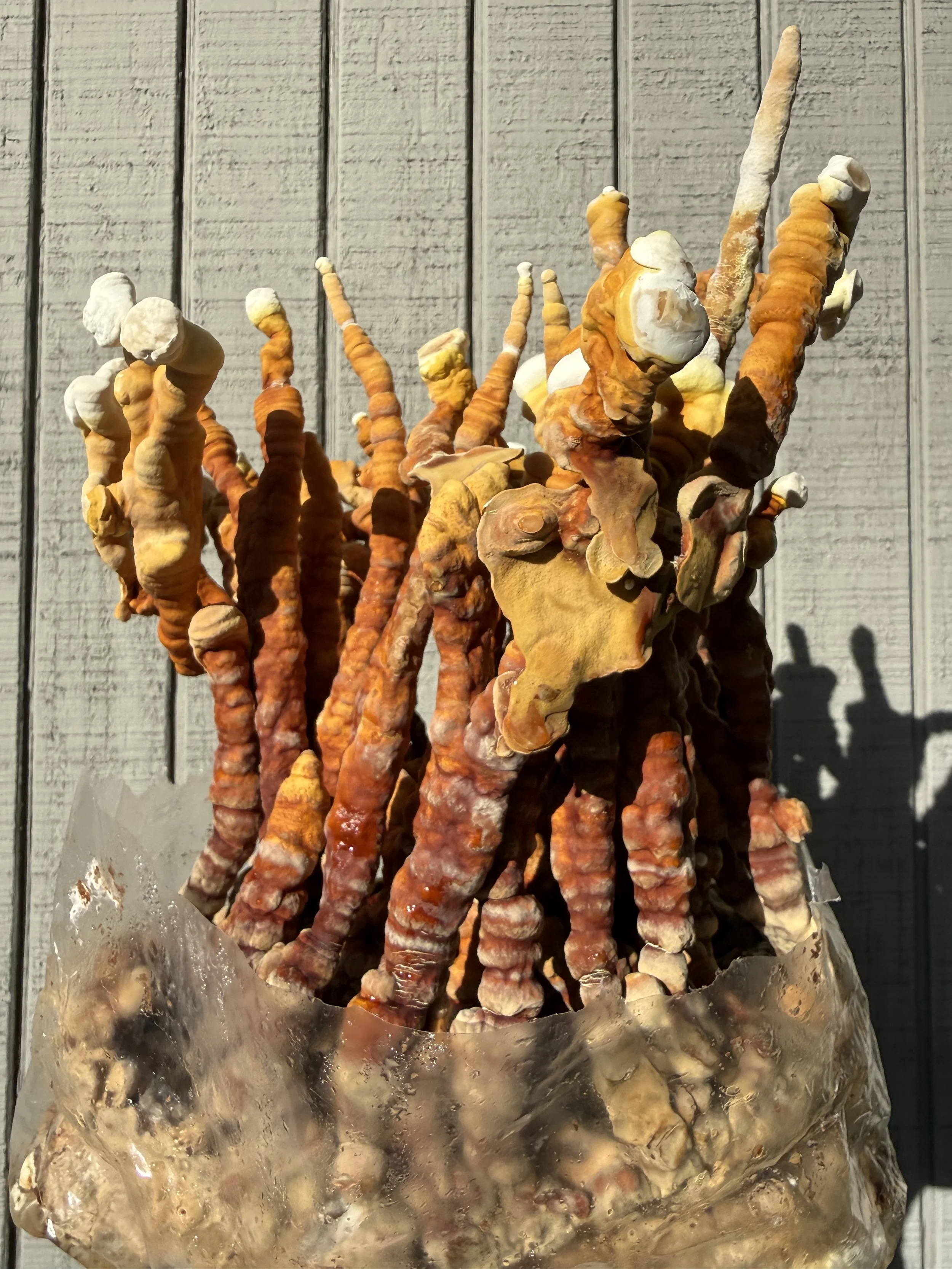
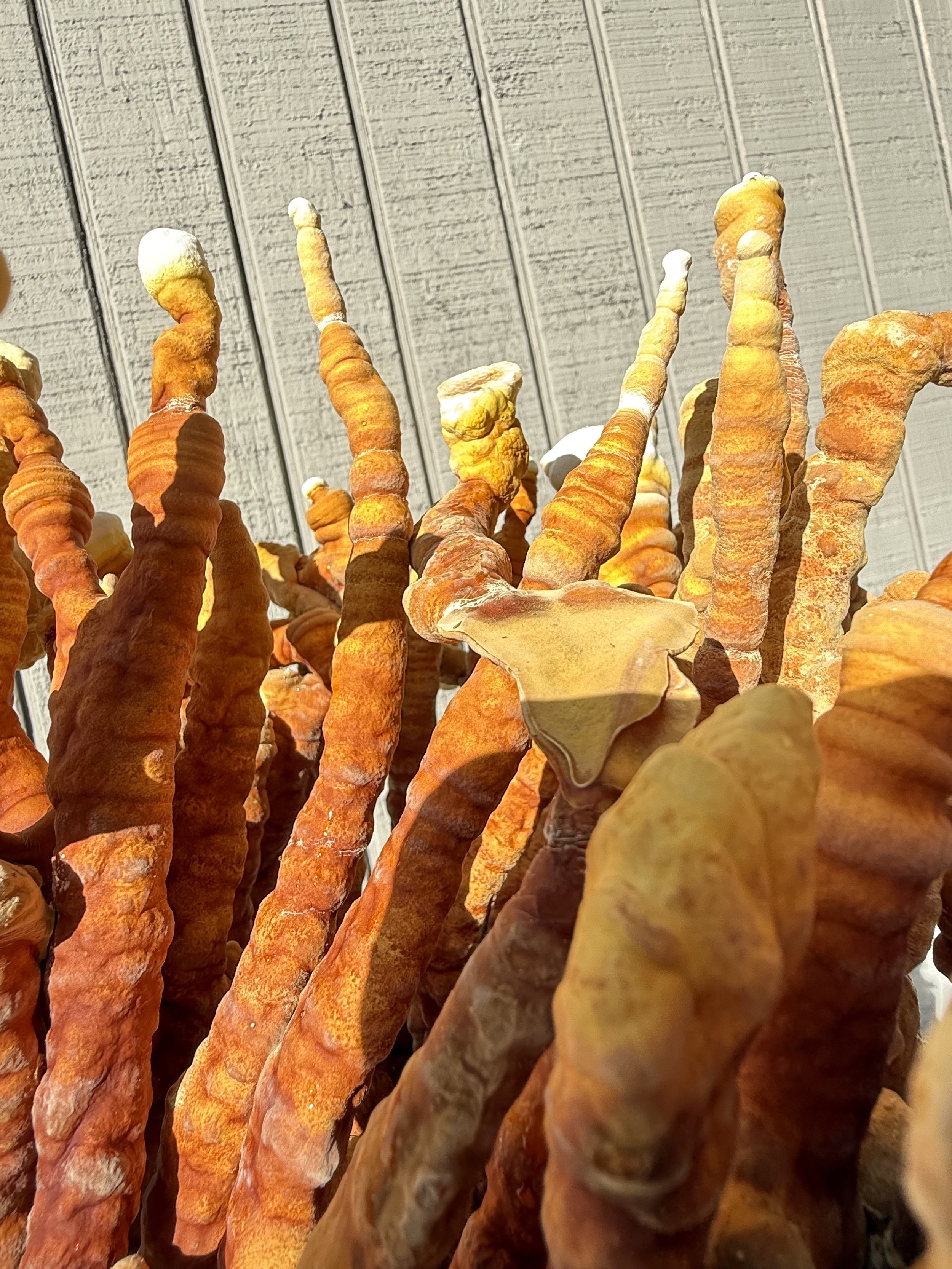
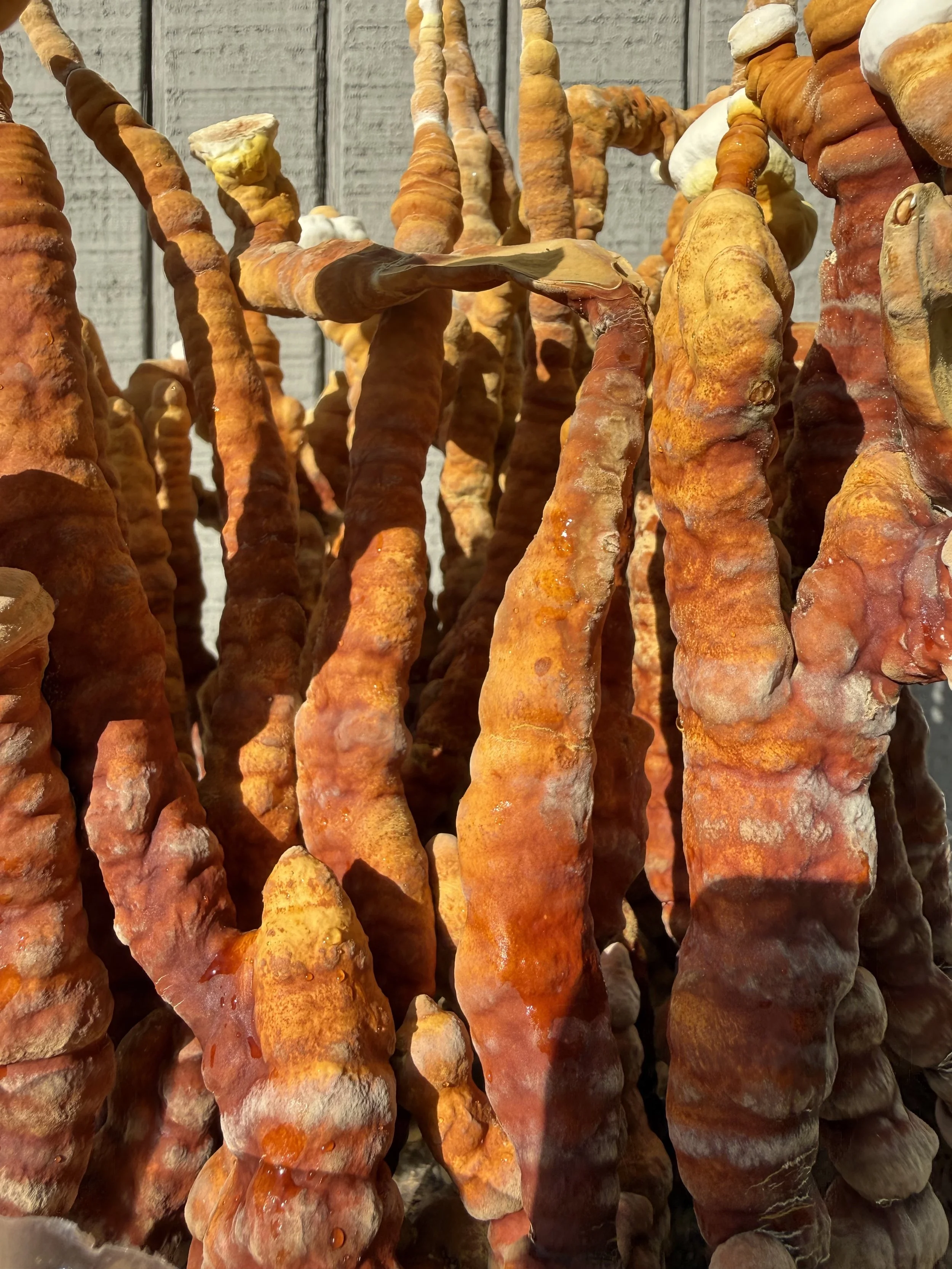
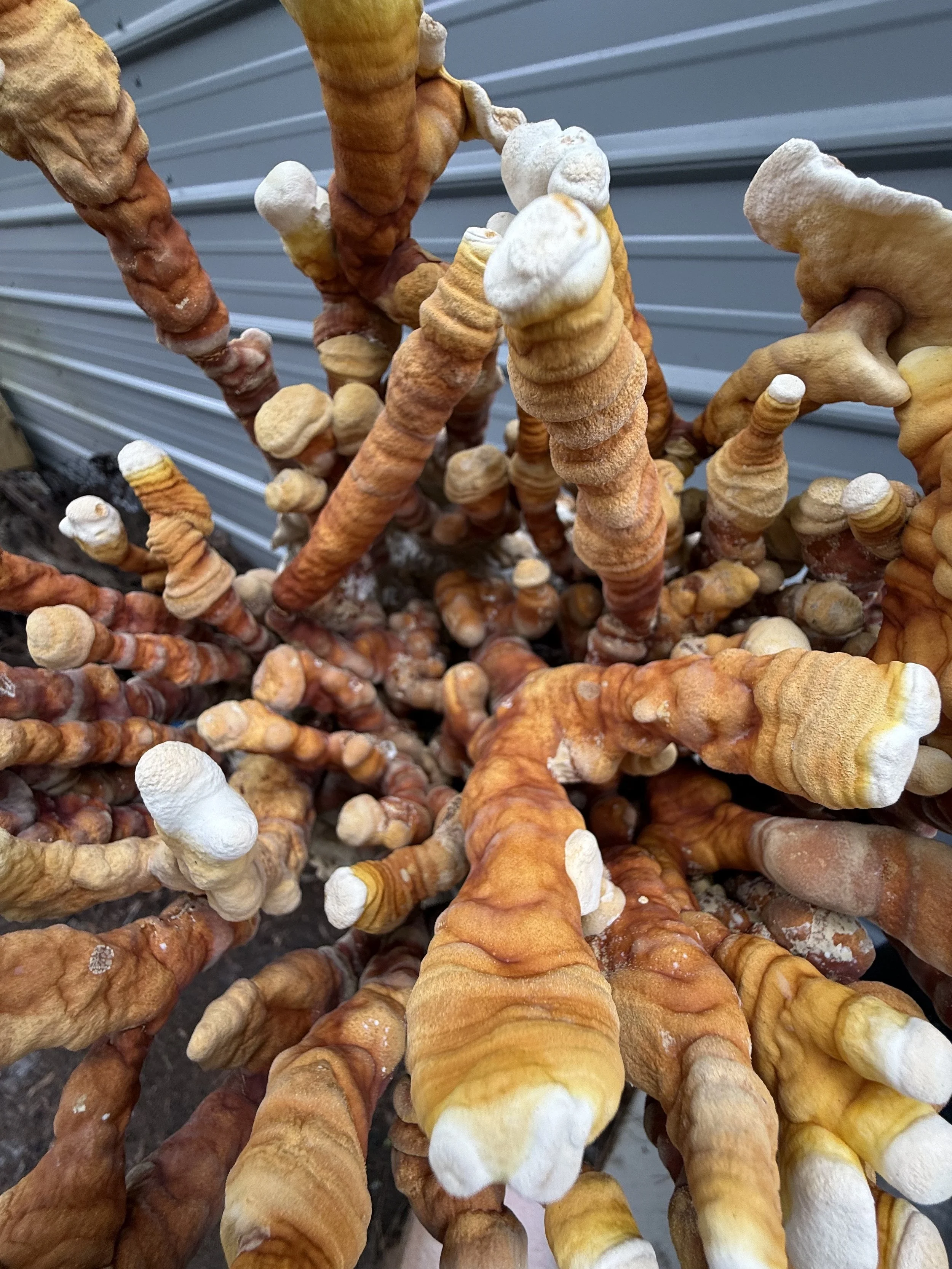
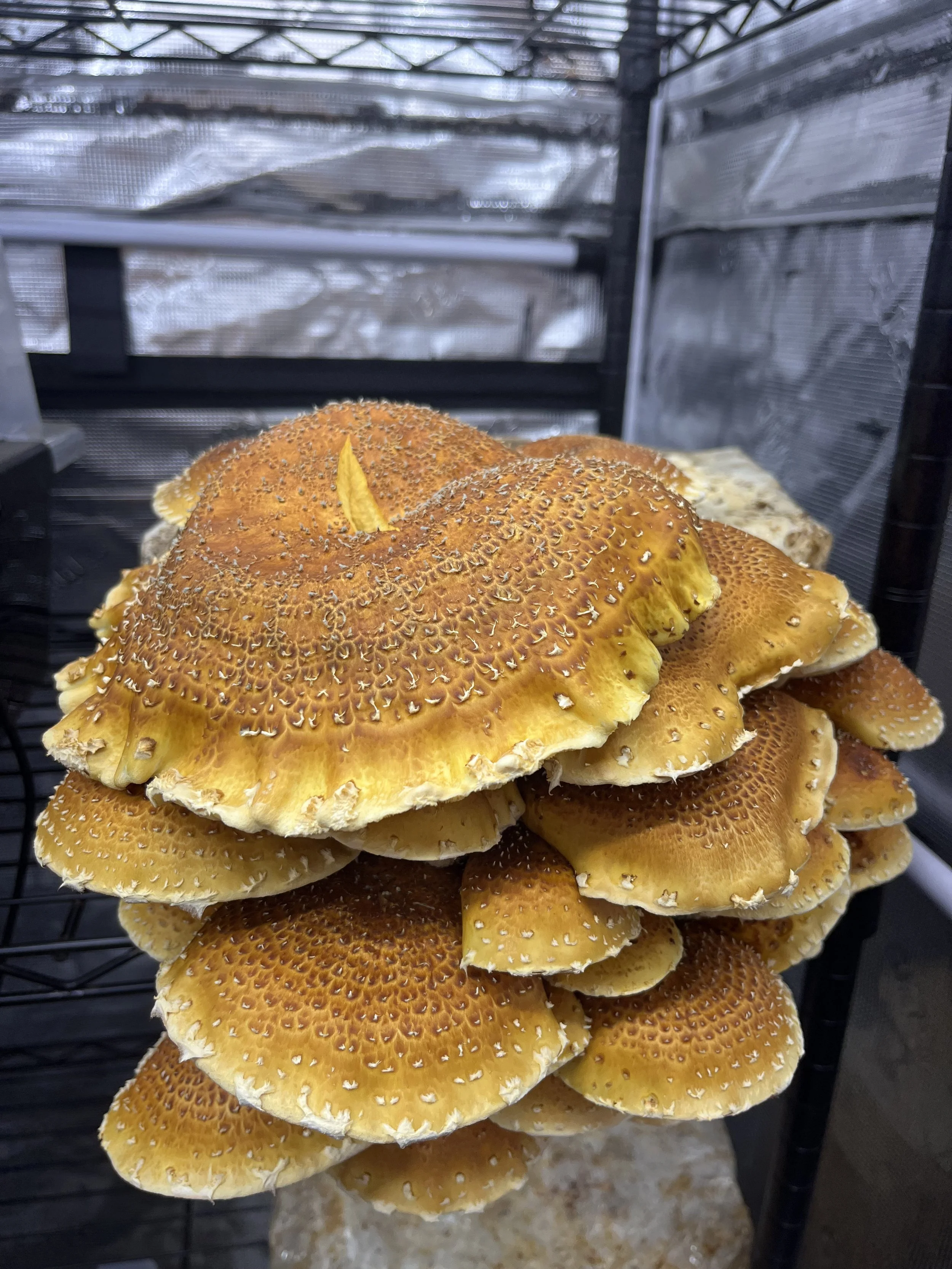
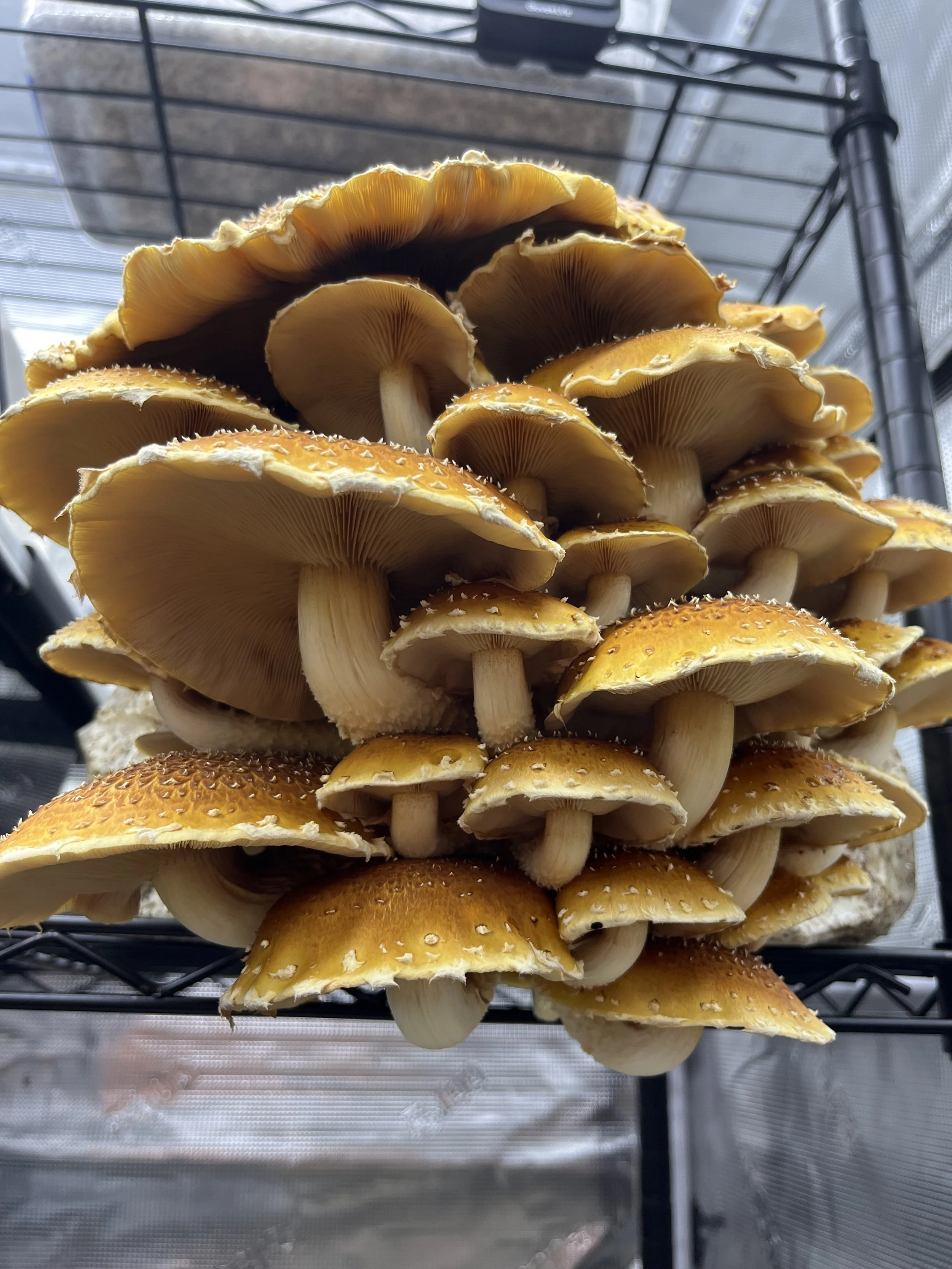
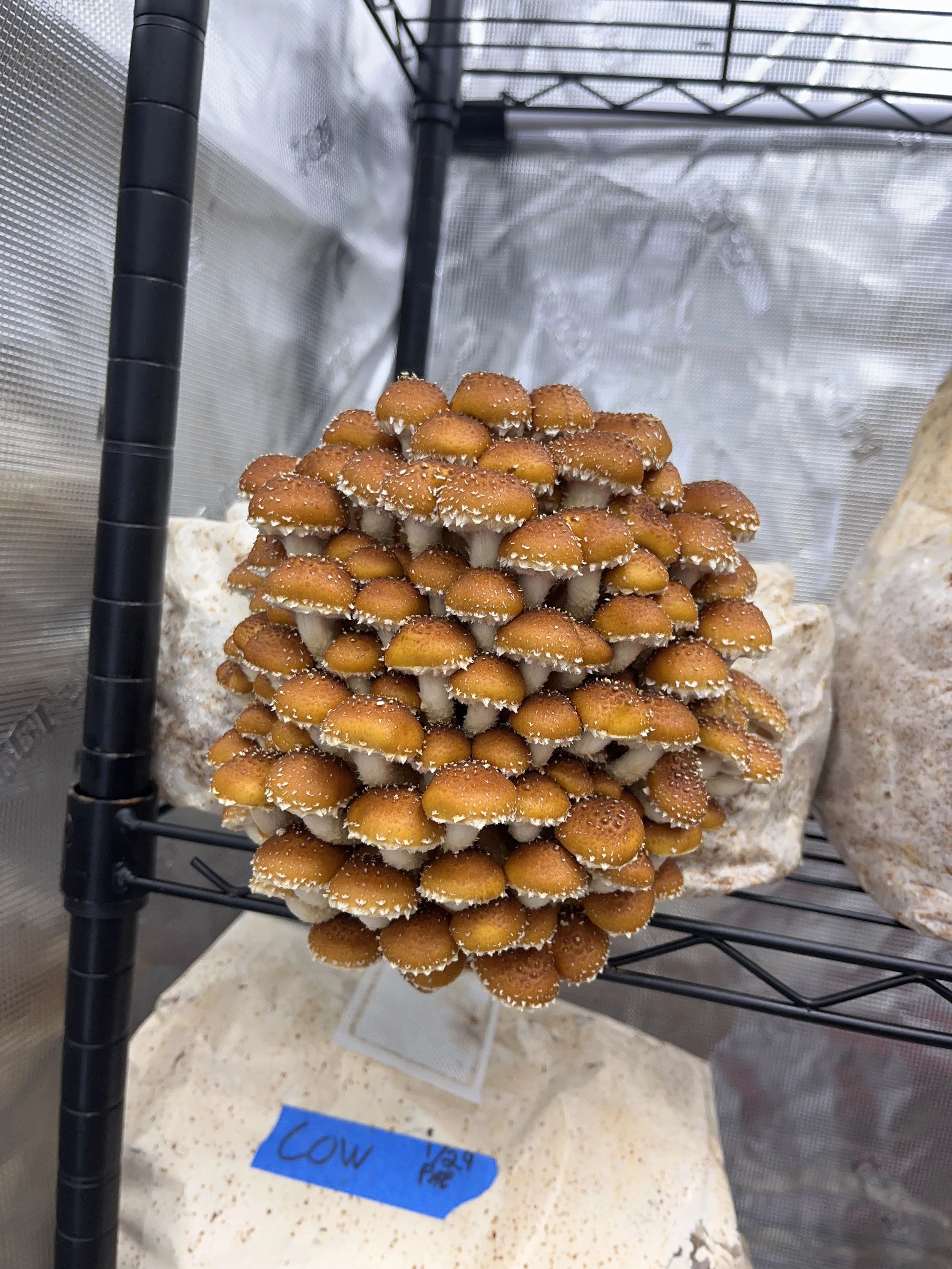
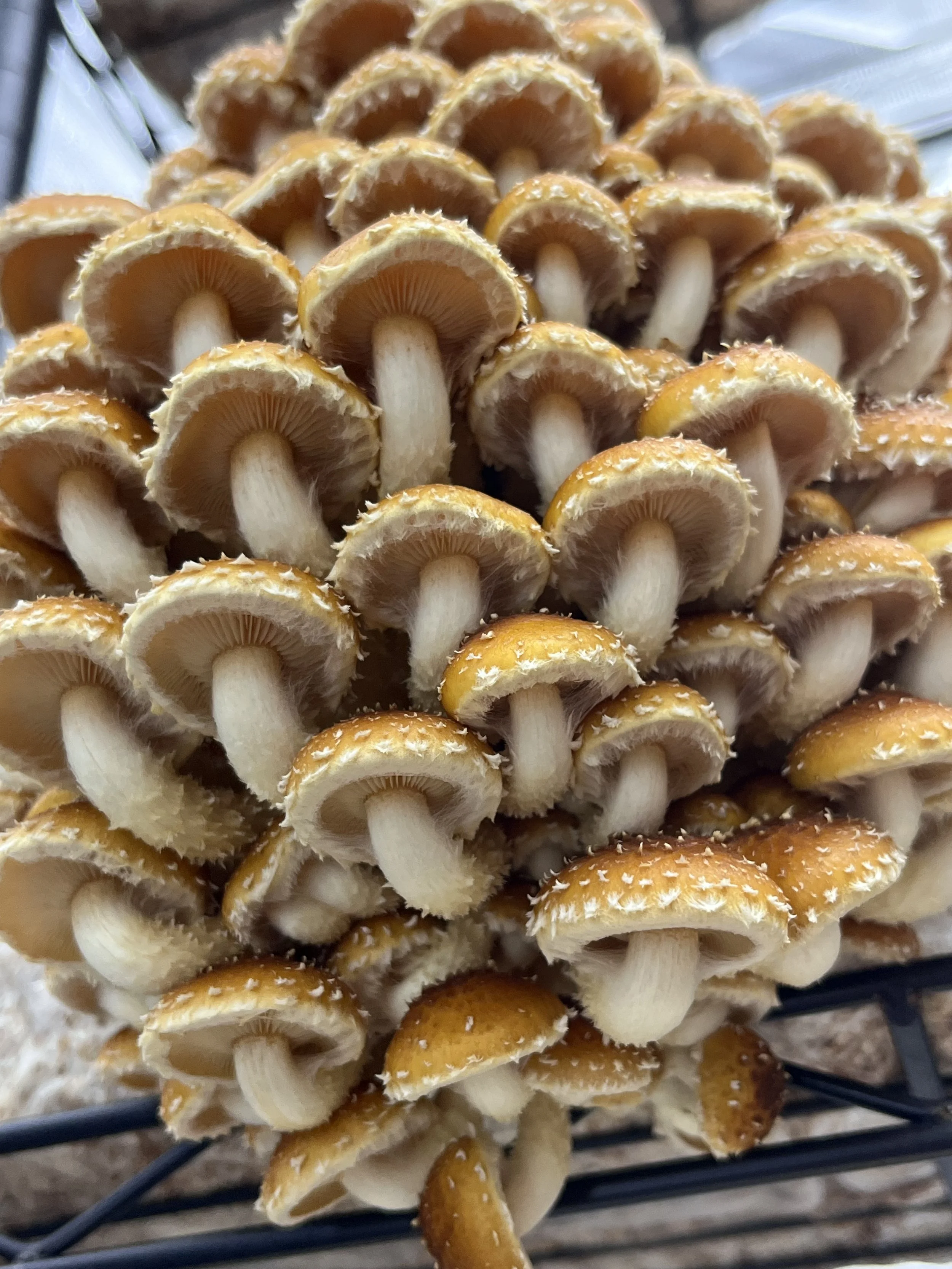
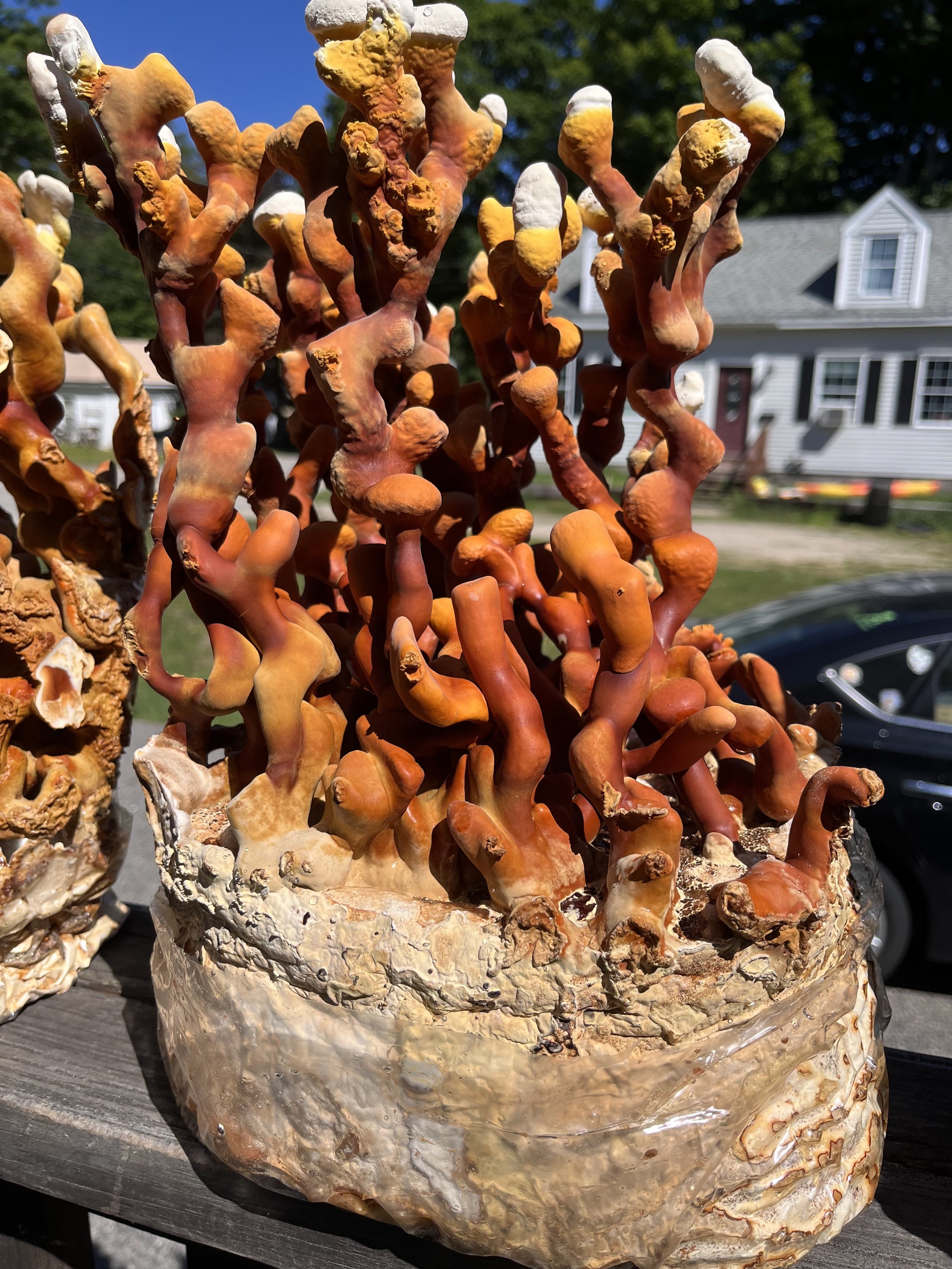
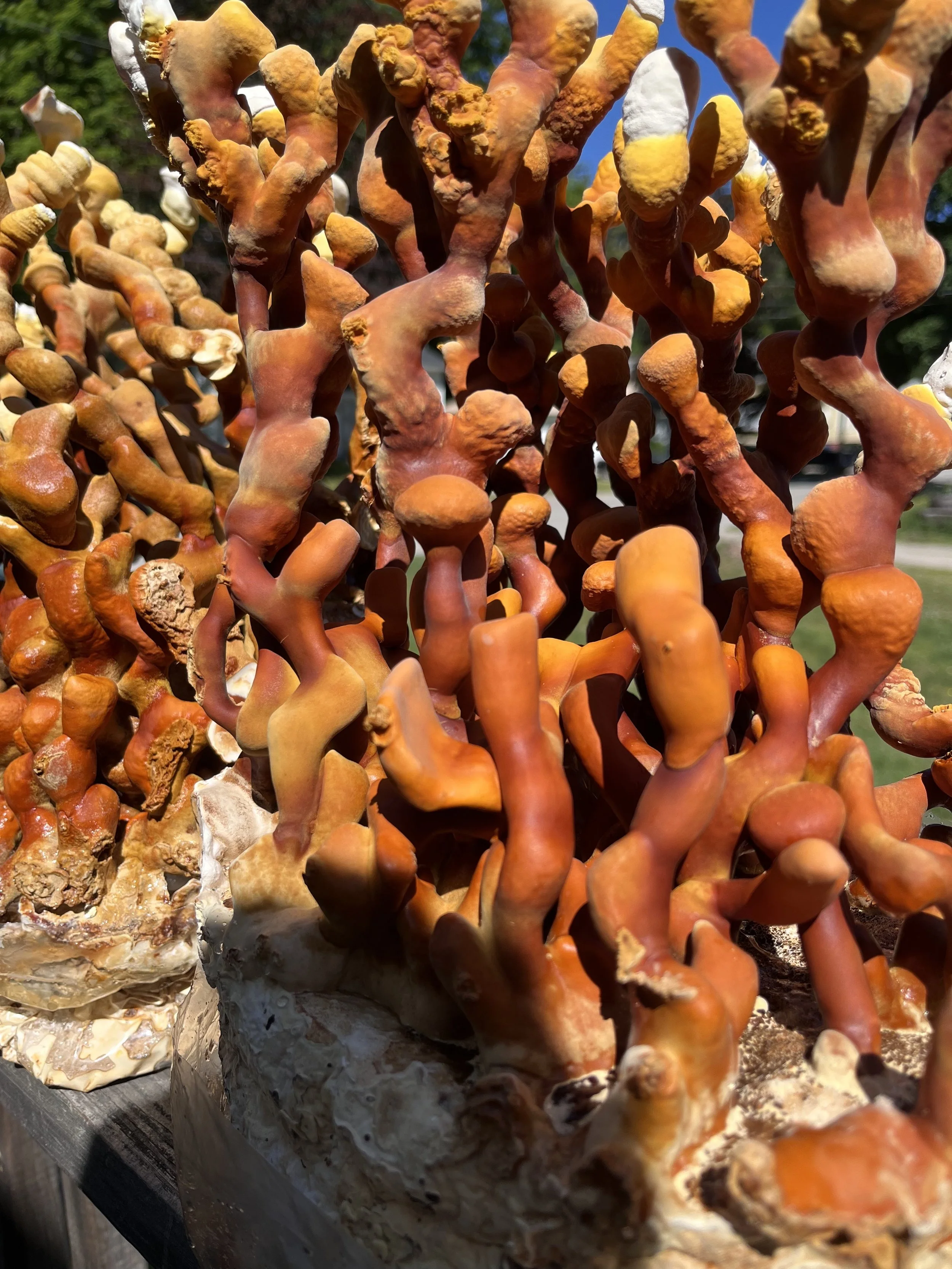
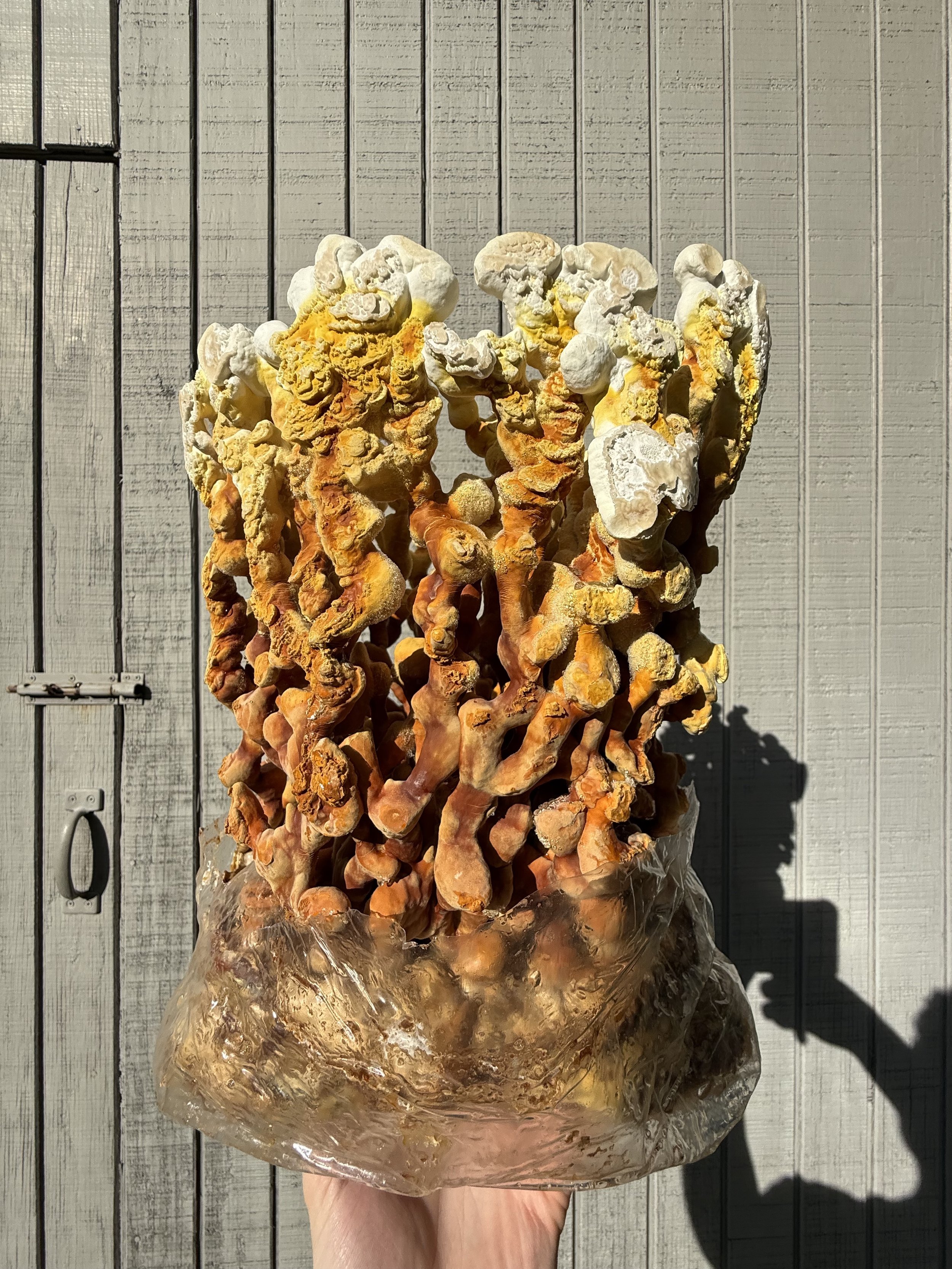
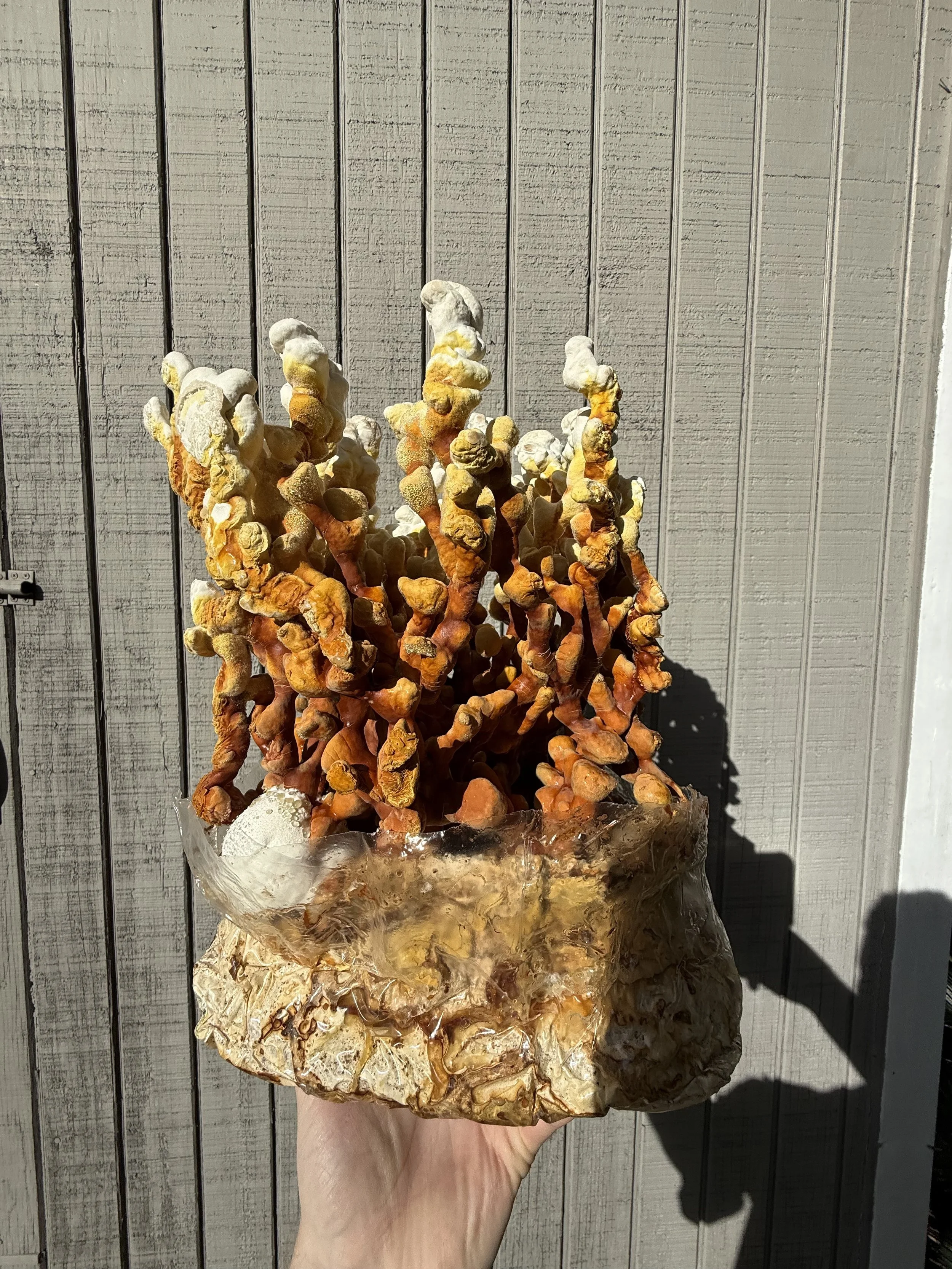
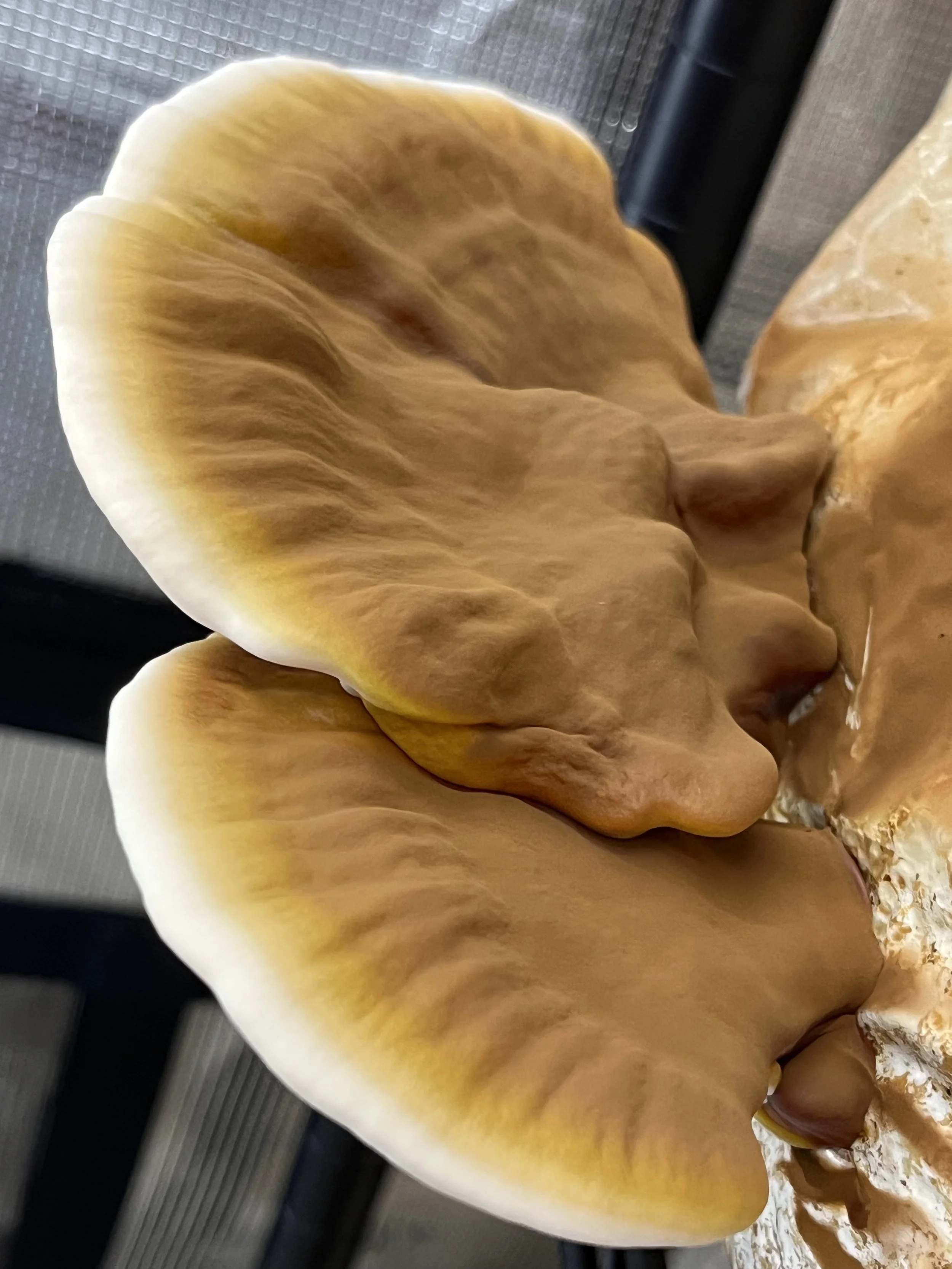
This culture is fun to fruit and produces beautiful dense, layered conks with the glossy lacquered surface characteristic of the Ganoderma genus. But what makes it genuinely intriguing goes beyond the fruiting body: G. polychromum produces some of the densest, most leather-like mycelial composite material in the genus — which puts it squarely in the conversation around MycoMaterials. Packaging, composites, structural panels, sculptural applications — this species is being watched in the biomaterials space for good reason.
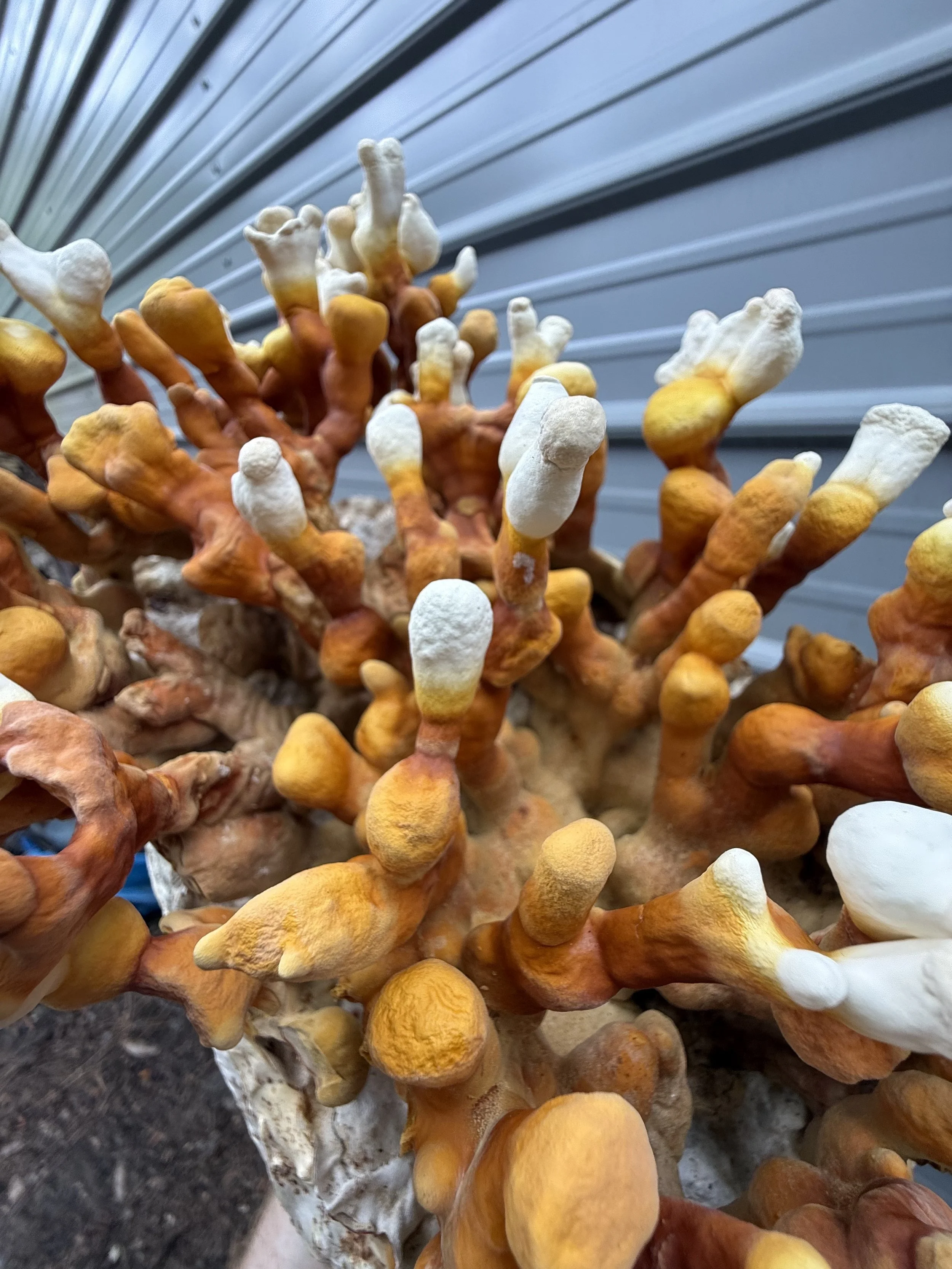
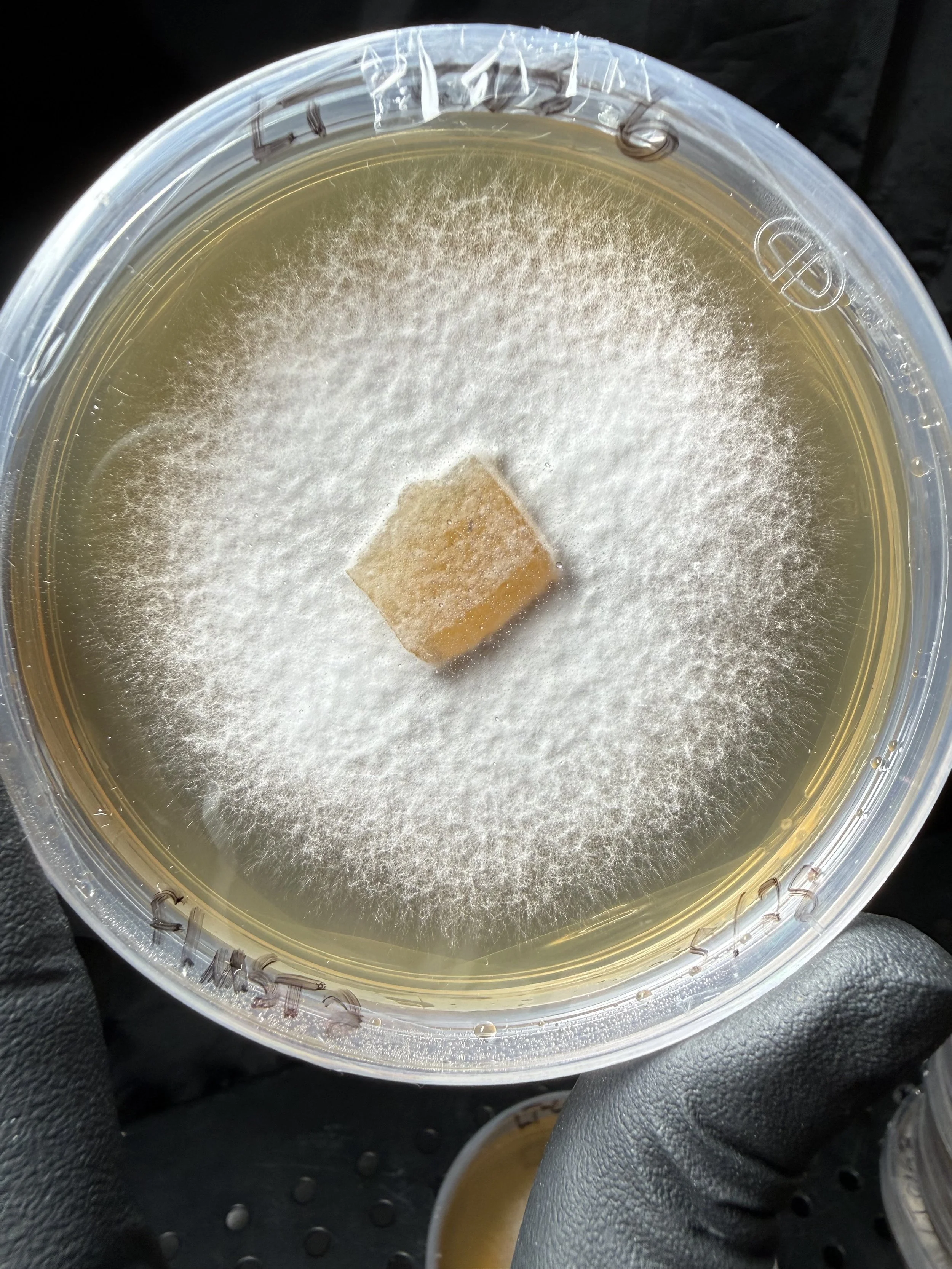
It may be the strongest mycelium I've worked with yet. It leathers up fast on agar and substrate — have a fresh scalpel ready for transfers or you'll fight it. Thick, vigorous, and visually impressive at the lab stage before you've even thought about fruiting.
Check out Sam Shoemaker and his Mushroom Kayak! That’s polychromum mycelium (https://www.samkshoemaker.com/mushroomboat2)
Cultivation Overview
G. polychromum grows on sterilized, supplemented hardwood blocks. It colonizes aggressively and produces dense mycelial material throughout the substrate. Fruiting to conk form is the dominant expression of this culture — it conks readily on well-colonized blocks. Like other Ganoderma species it is slow compared to Pleurotus or Hericium, but what it produces is architecturally impressive and long-lasting. Outdoor log and stump cultivation is also an option given its natural range in warm climates.
Fruiting Conditions
Temperature: 60–85°F fruiting | 60–82°F colonization
Humidity: 60–90% RH during fruiting
Light: Indirect light: very minimal phototropic response.
Fresh Air Exchange: Moderate: reduce FAE to encourage extended growth; increase for denser conk formation. This does NOT want to Antler.
Substrate: Sterilized supplemented hardwood blocks — dense hardwoods preferred.
Climate Note: Well-suited for warm climate cultivation
Characteristics
• Sourced through Mycrodex: so you know its cool, strong, aggressive mycelium
• Extremely vigorous colonizer: Blink and it leathers up on agar and substrate. Be ready; Don’t use jars for grain unless you are READY.
• Dense, layered conks with glossy lacquered surface
• Produces leather-like mycelial composite material — MycoMaterial applications
• Ganoderma bioactive profile: polysaccharides and triterpenoids
• Long-lasting, architecturally impressive fruiting bodies
Ideal For
• Ganoderma collectors and Reishi complex enthusiasts
• MycoMaterials research and experimentation
• Southeast and warm-climate cultivators
• Agar work and culture library expansion
• Lab observation: exceptionally strong mycelial behavior; great for MycoMaterials!
• Researchers interested in fungal biomaterials and composite production
Let's Myceliate Tomorrow. 🍄
Jacksonville Grown | Small Batch | Support Available | Florida-Focused Learning
Transfers made to order — on MYA plate
You Receive 1 Fresh 100mm MYA dish of Ganoderma polychromum mycelium ready for your further expansion.
GPOLY is a Ganoderma polychromum culture sourced through Mycrodex. This is a species that doesn't get nearly the attention it deserves. G. polychromum is a tropical and subtropical wood-rotting polypore found fruiting in warmer regions of the Western US.
This culture is fun to fruit and produces beautiful dense, layered conks with the glossy lacquered surface characteristic of the Ganoderma genus. But what makes it genuinely intriguing goes beyond the fruiting body: G. polychromum produces some of the densest, most leather-like mycelial composite material in the genus — which puts it squarely in the conversation around MycoMaterials. Packaging, composites, structural panels, sculptural applications — this species is being watched in the biomaterials space for good reason.
It may be the strongest mycelium I've worked with yet. It leathers up fast on agar and substrate — have a fresh scalpel ready for transfers or you'll fight it. Thick, vigorous, and visually impressive at the lab stage before you've even thought about fruiting.
Check out Sam Shoemaker and his Mushroom Kayak! That’s polychromum mycelium (https://www.samkshoemaker.com/mushroomboat2)
Cultivation Overview
G. polychromum grows on sterilized, supplemented hardwood blocks. It colonizes aggressively and produces dense mycelial material throughout the substrate. Fruiting to conk form is the dominant expression of this culture — it conks readily on well-colonized blocks. Like other Ganoderma species it is slow compared to Pleurotus or Hericium, but what it produces is architecturally impressive and long-lasting. Outdoor log and stump cultivation is also an option given its natural range in warm climates.
Fruiting Conditions
Temperature: 60–85°F fruiting | 60–82°F colonization
Humidity: 60–90% RH during fruiting
Light: Indirect light: very minimal phototropic response.
Fresh Air Exchange: Moderate: reduce FAE to encourage extended growth; increase for denser conk formation. This does NOT want to Antler.
Substrate: Sterilized supplemented hardwood blocks — dense hardwoods preferred.
Climate Note: Well-suited for warm climate cultivation
Characteristics
• Sourced through Mycrodex: so you know its cool, strong, aggressive mycelium
• Extremely vigorous colonizer: Blink and it leathers up on agar and substrate. Be ready; Don’t use jars for grain unless you are READY.
• Dense, layered conks with glossy lacquered surface
• Produces leather-like mycelial composite material — MycoMaterial applications
• Ganoderma bioactive profile: polysaccharides and triterpenoids
• Long-lasting, architecturally impressive fruiting bodies
Ideal For
• Ganoderma collectors and Reishi complex enthusiasts
• MycoMaterials research and experimentation
• Southeast and warm-climate cultivators
• Agar work and culture library expansion
• Lab observation: exceptionally strong mycelial behavior; great for MycoMaterials!
• Researchers interested in fungal biomaterials and composite production
Let's Myceliate Tomorrow. 🍄