*Transfers made to order: on MYA plate
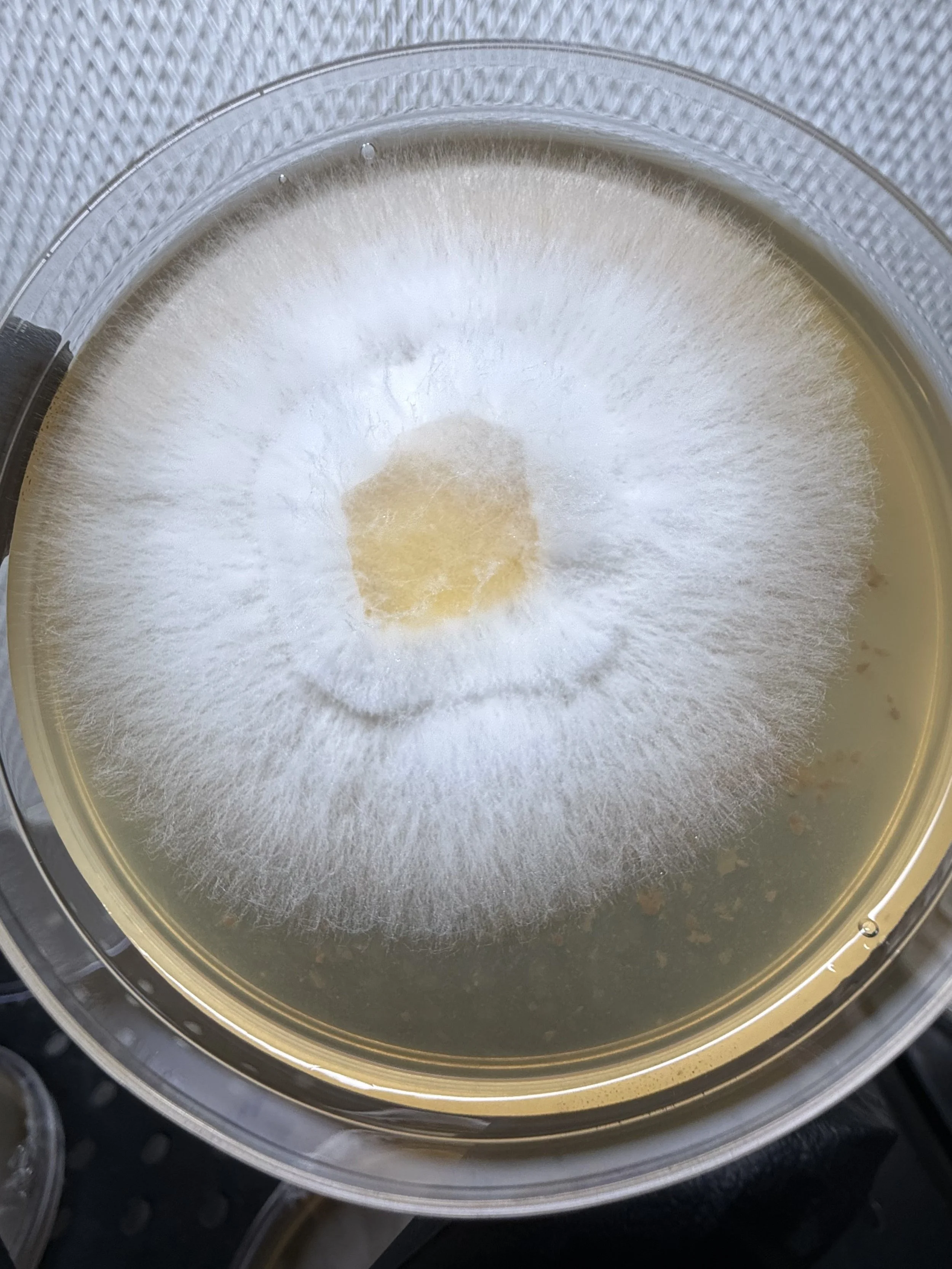
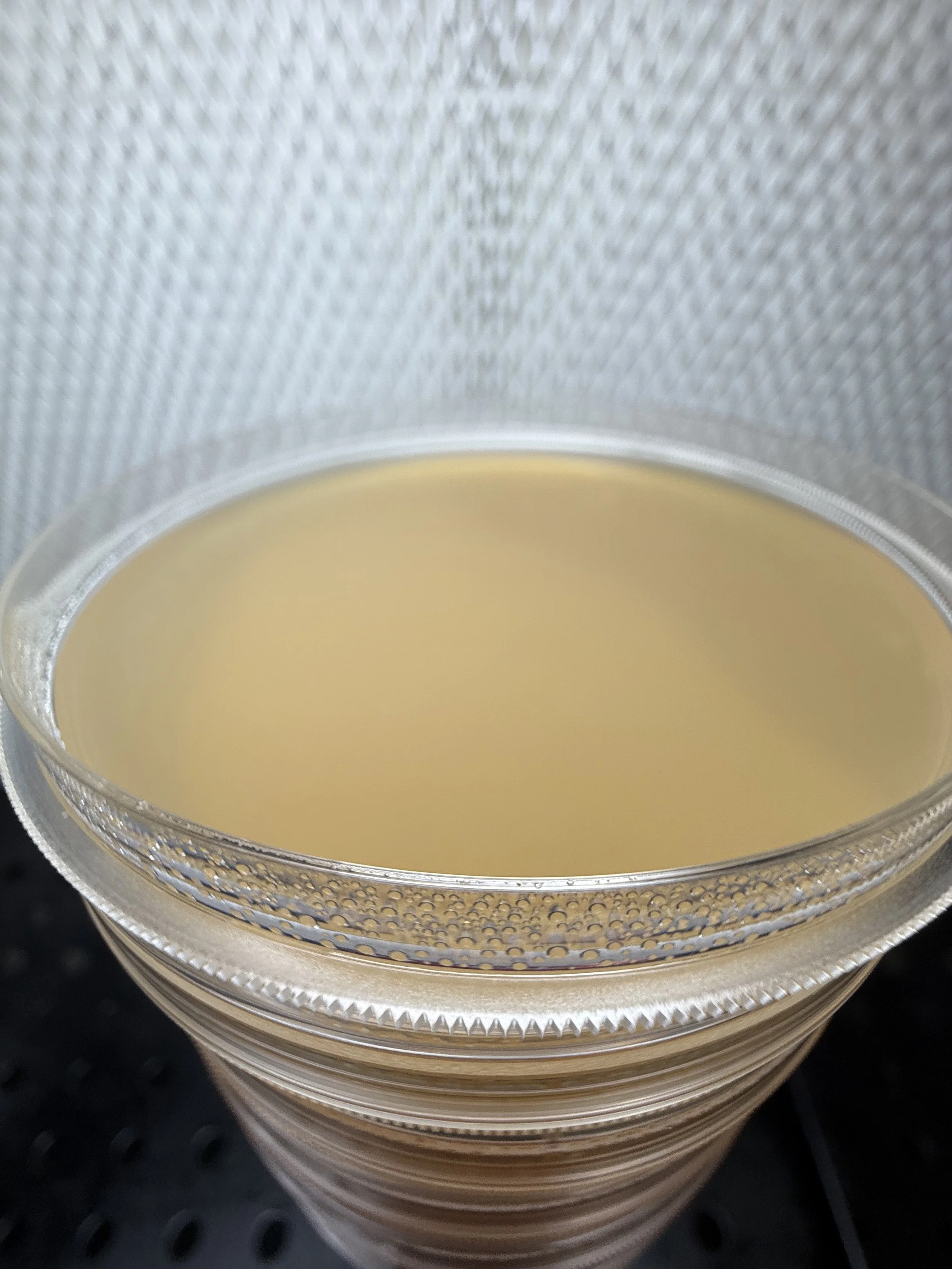
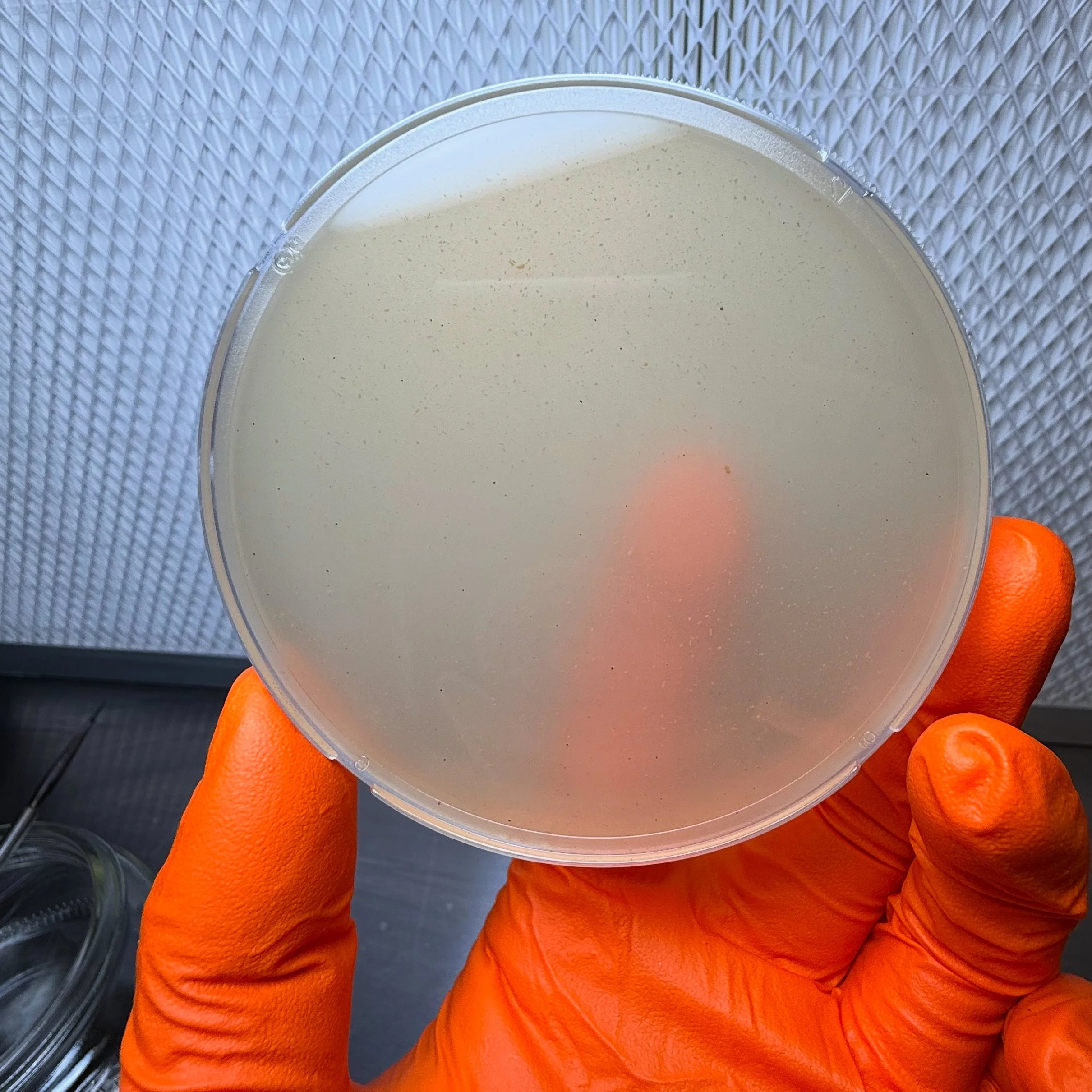
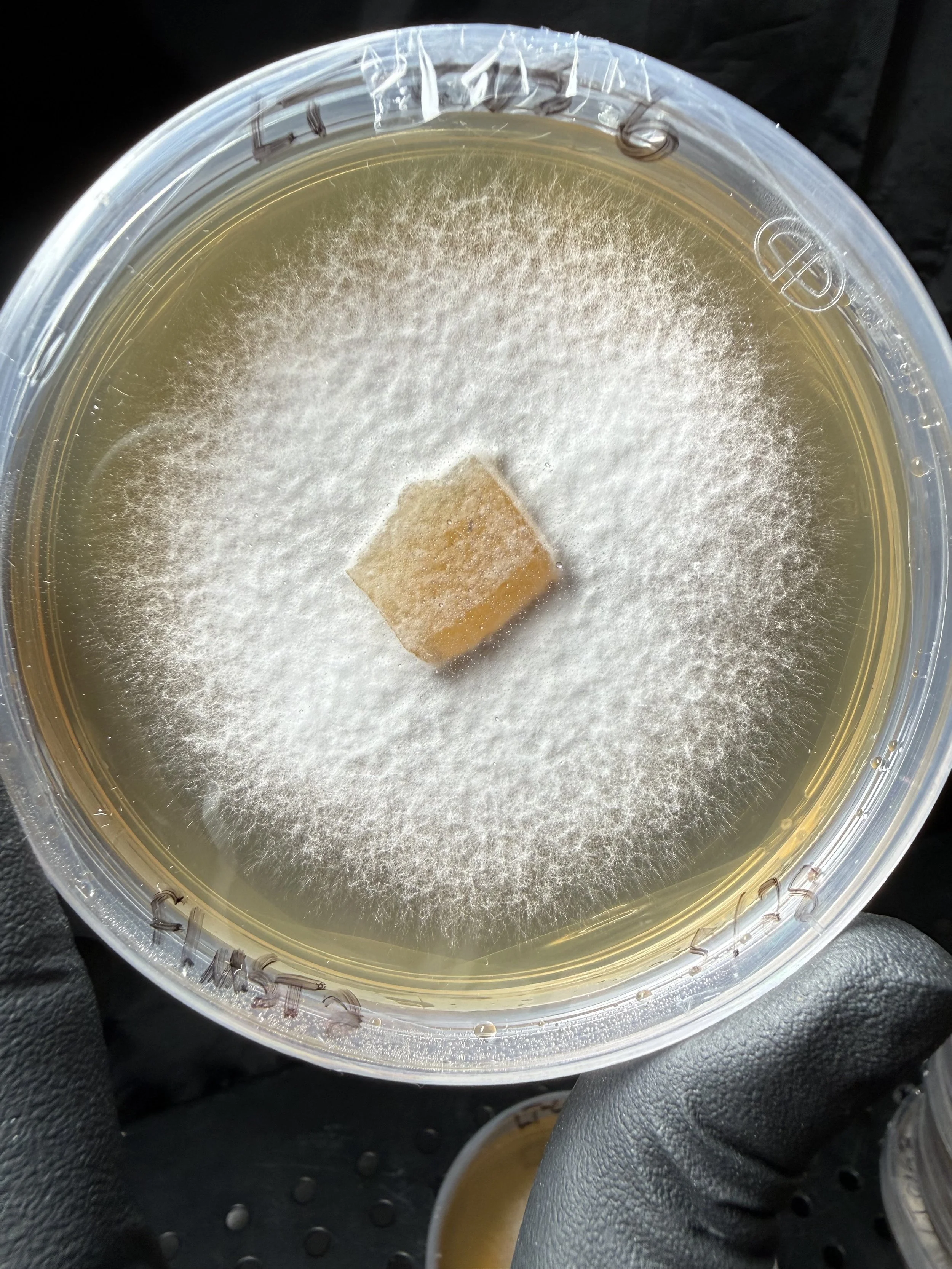
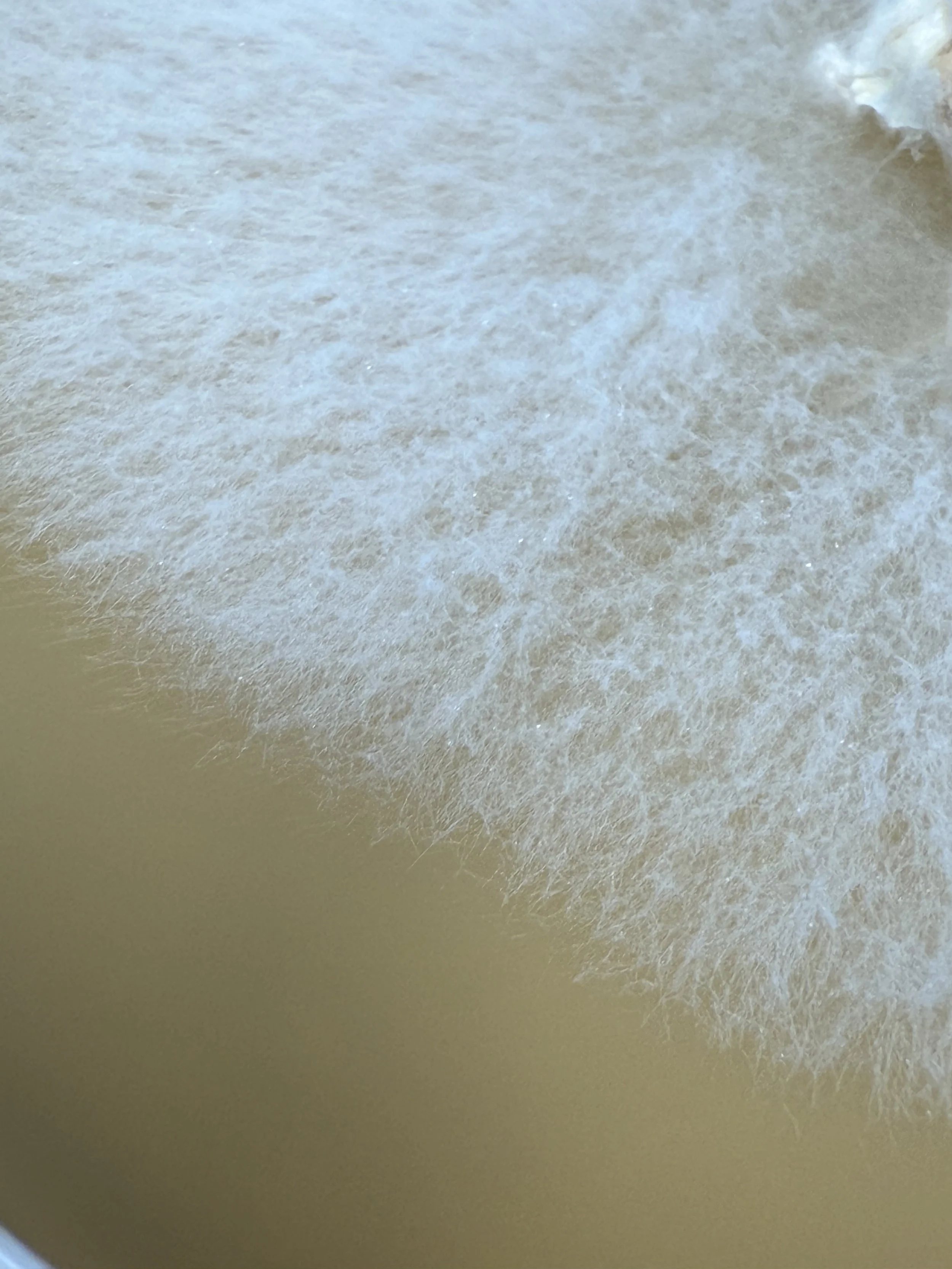
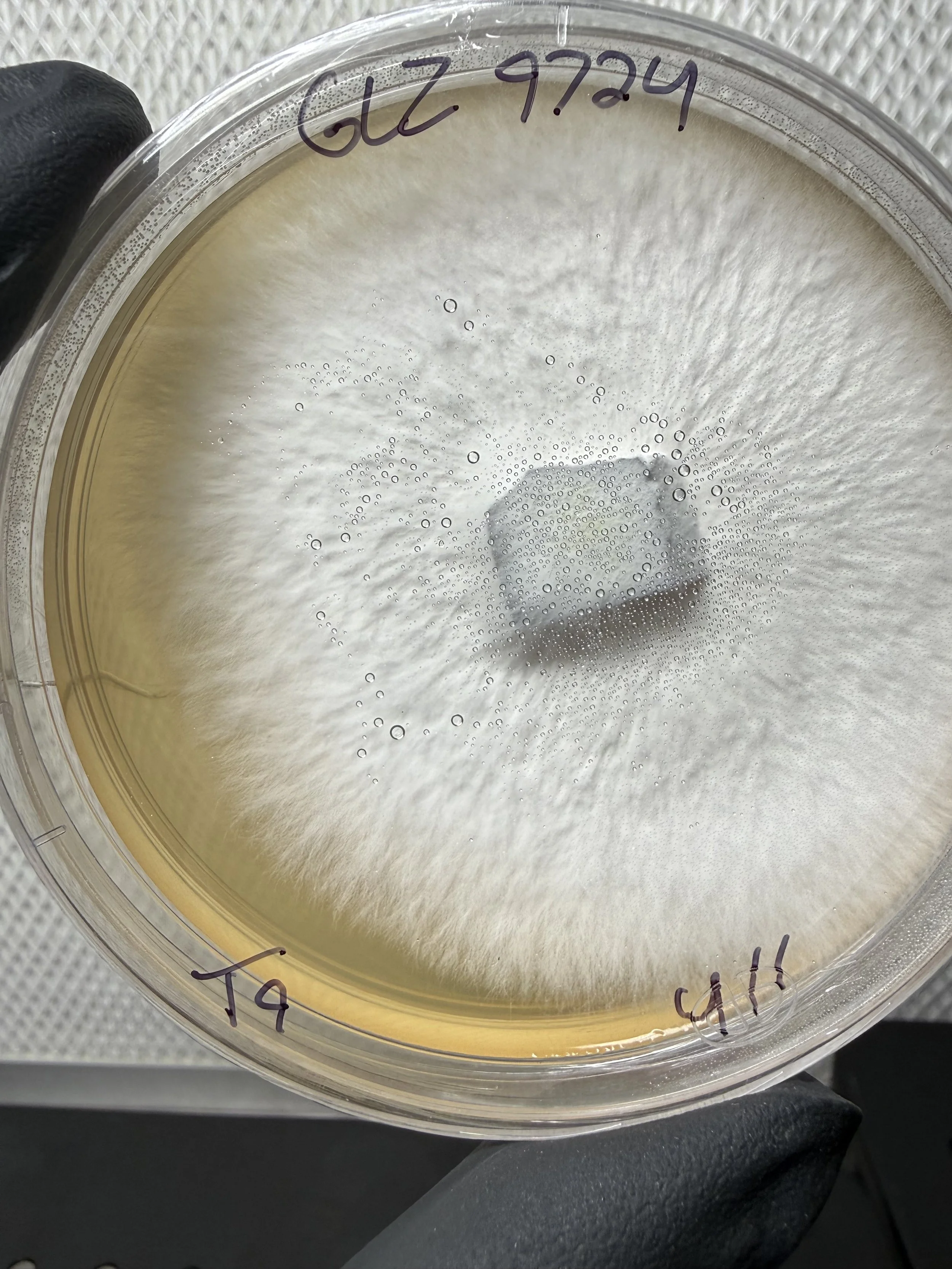
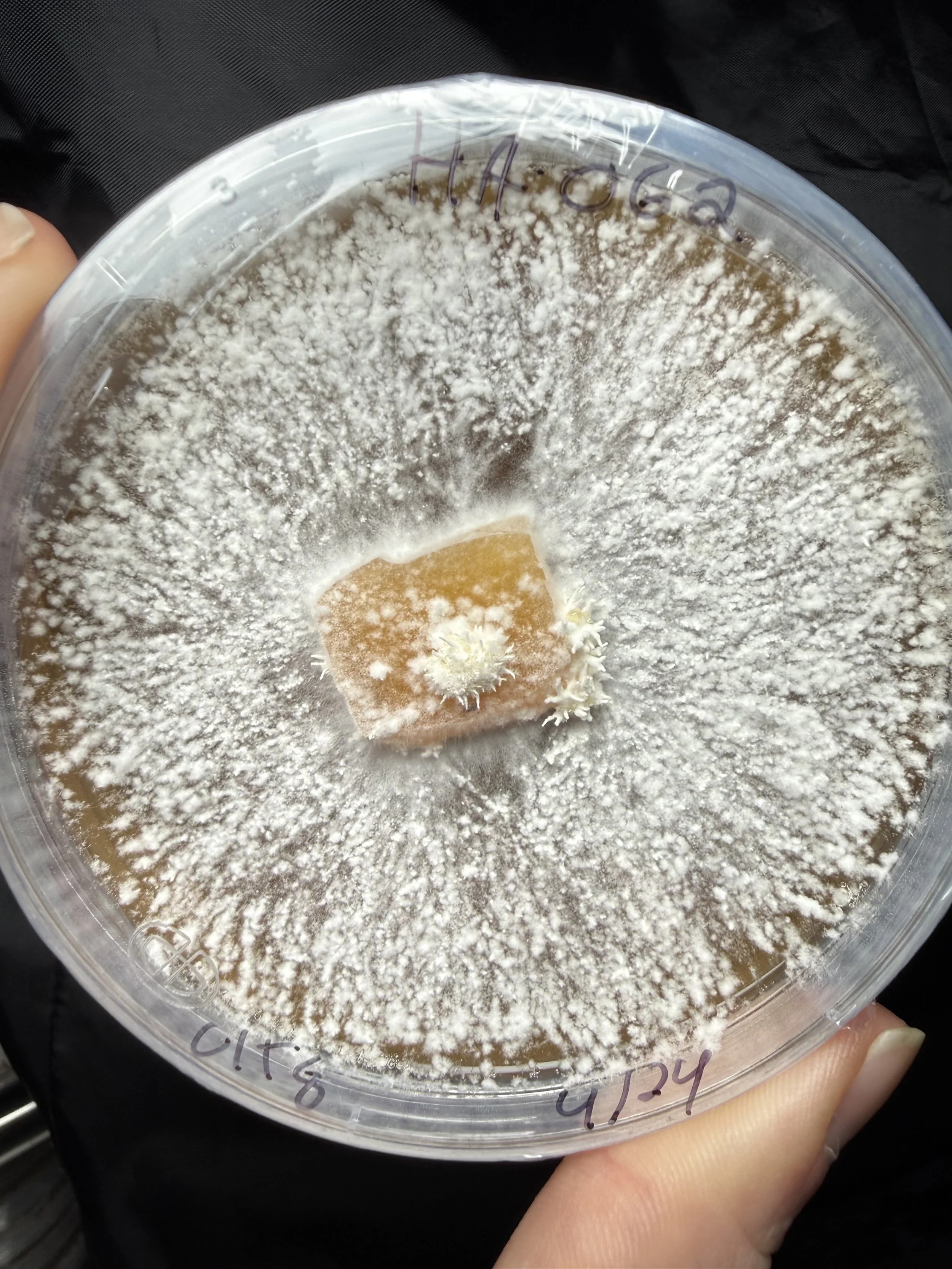
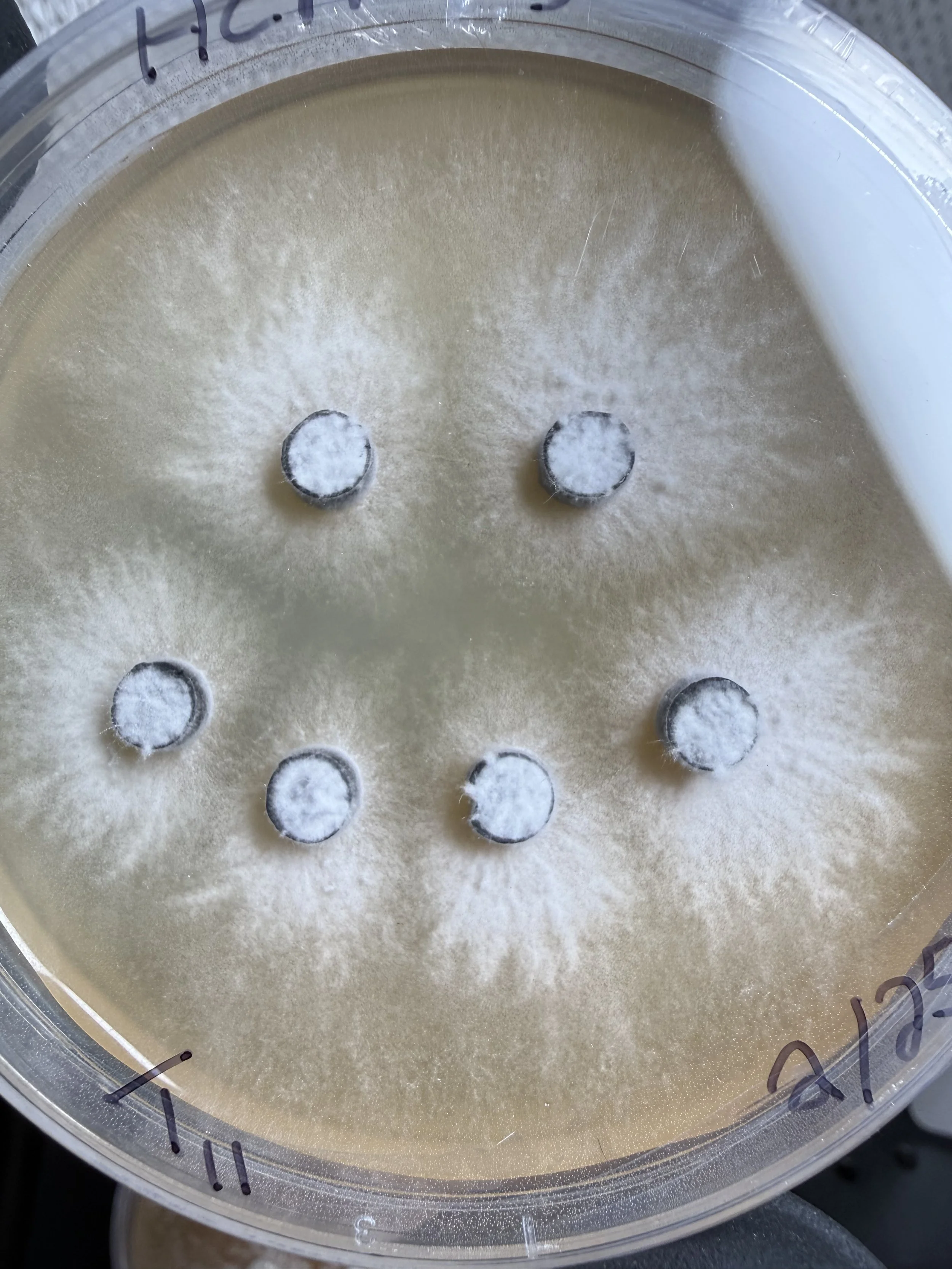
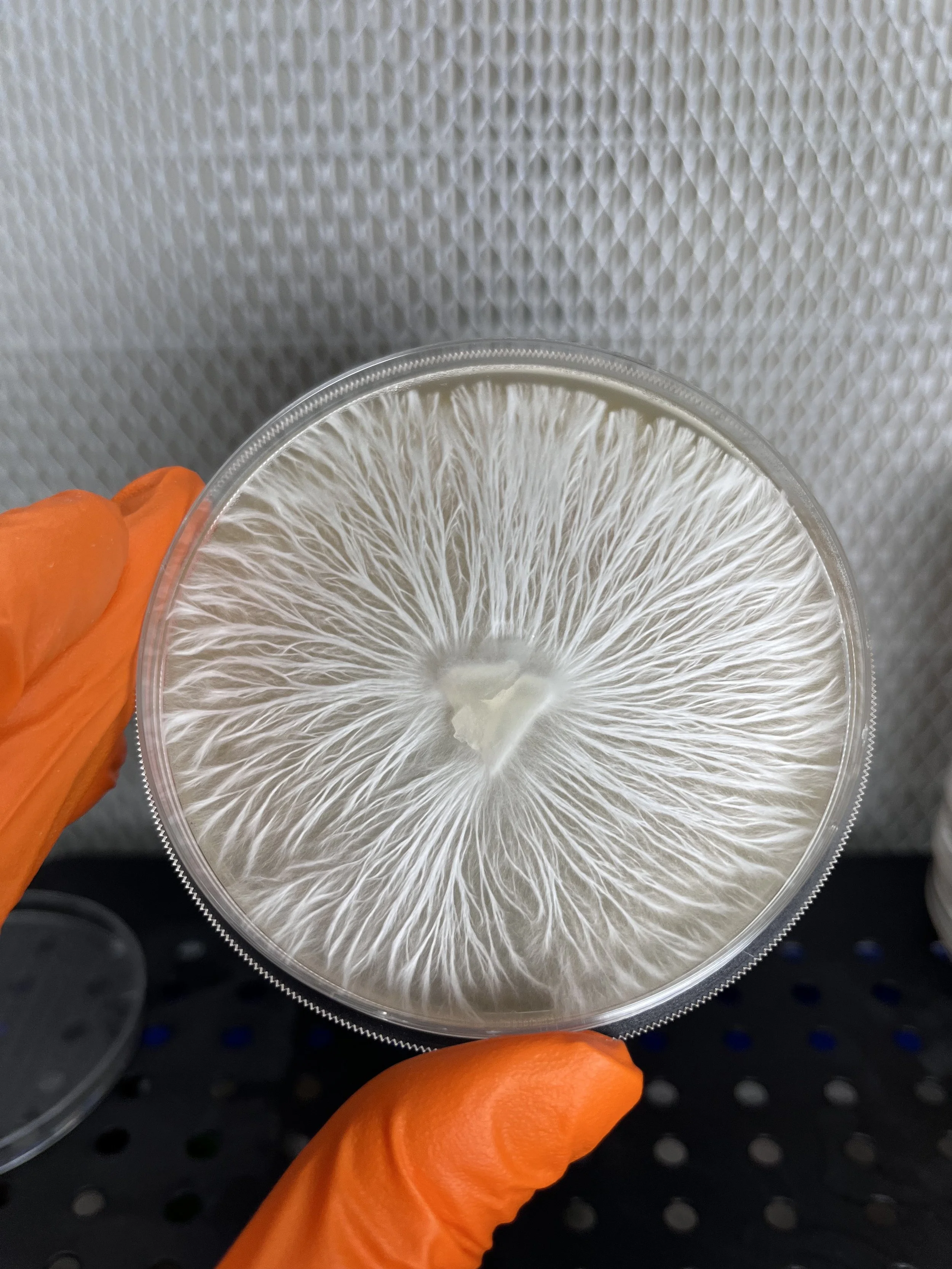
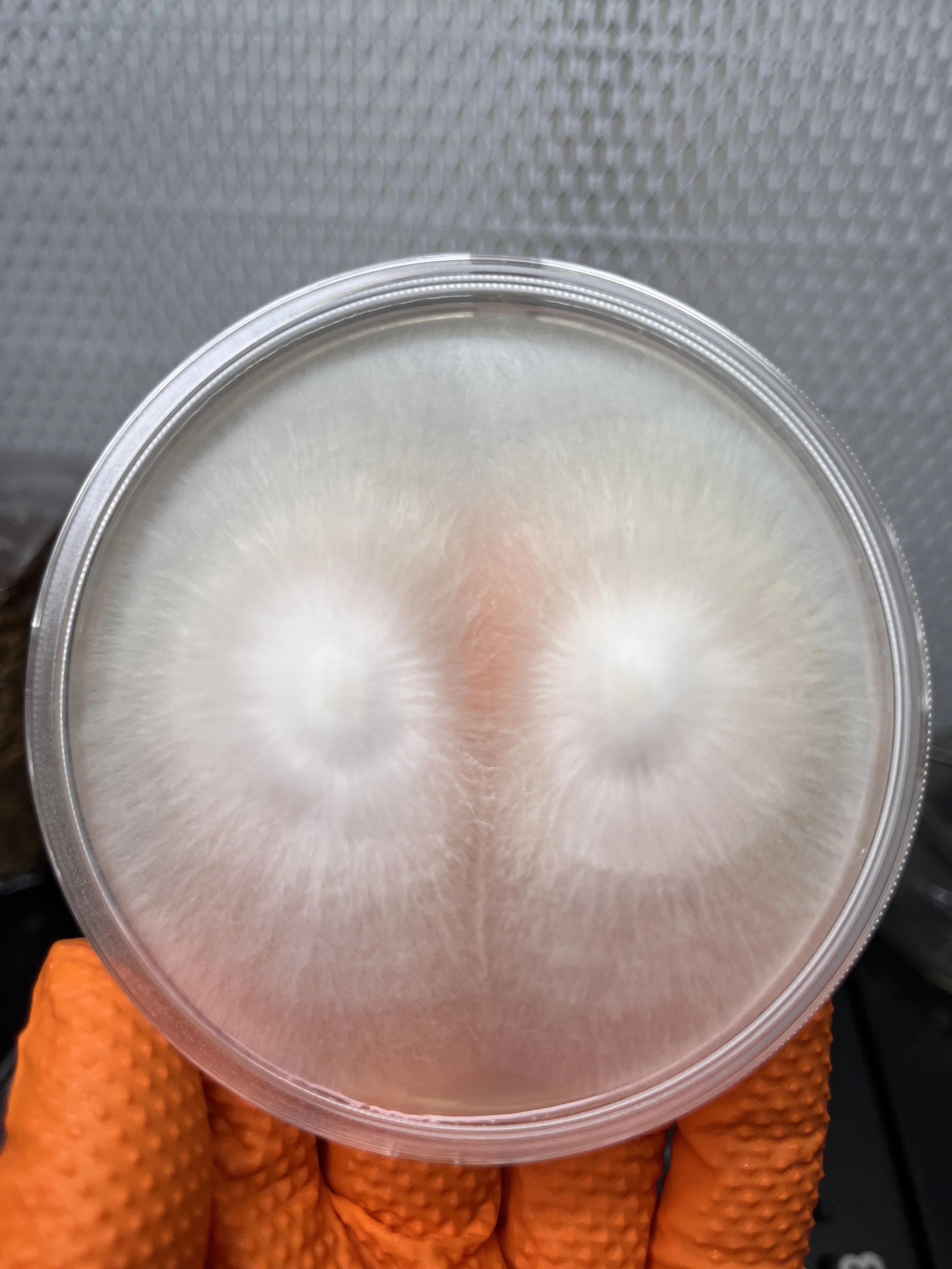
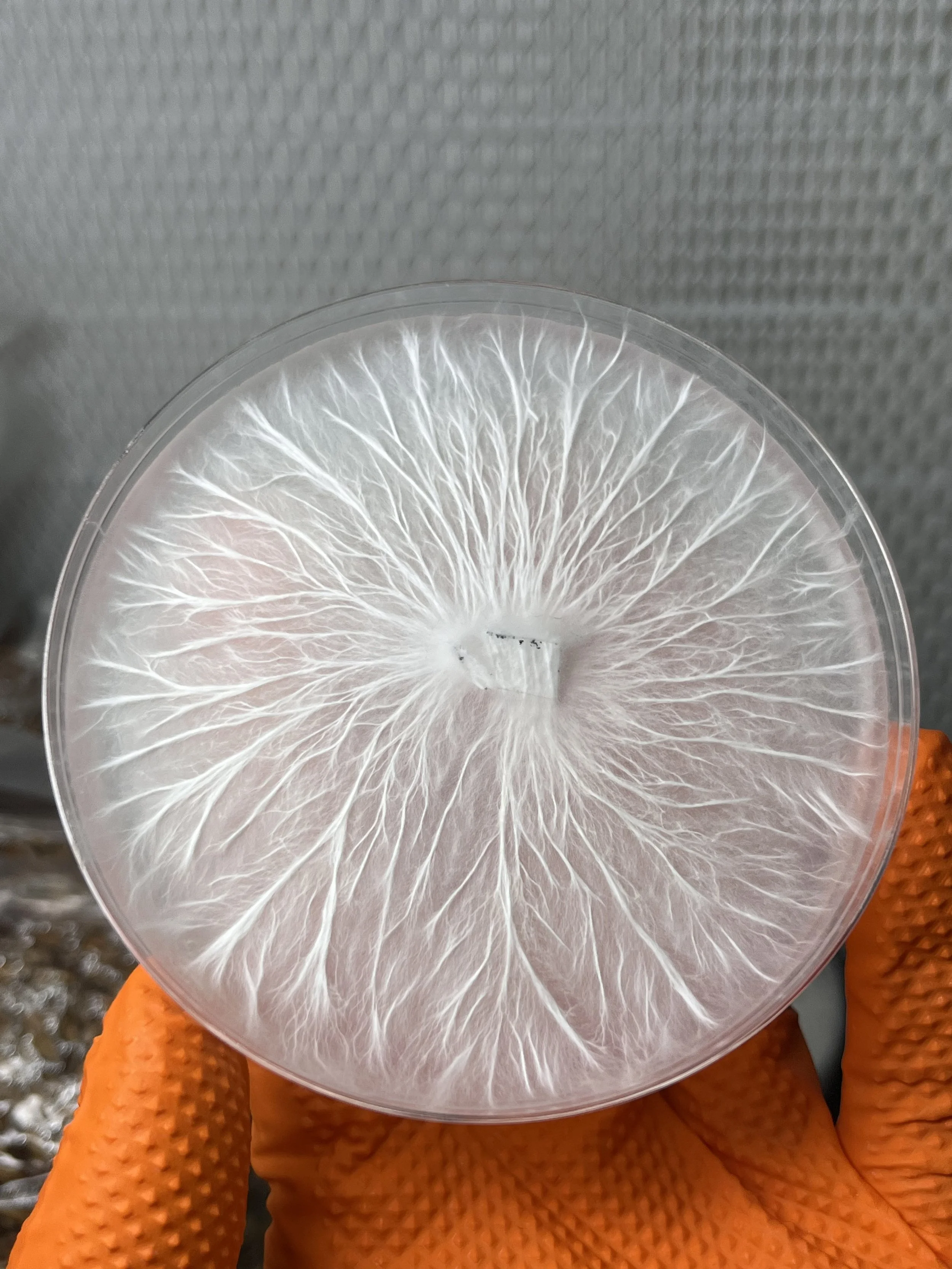
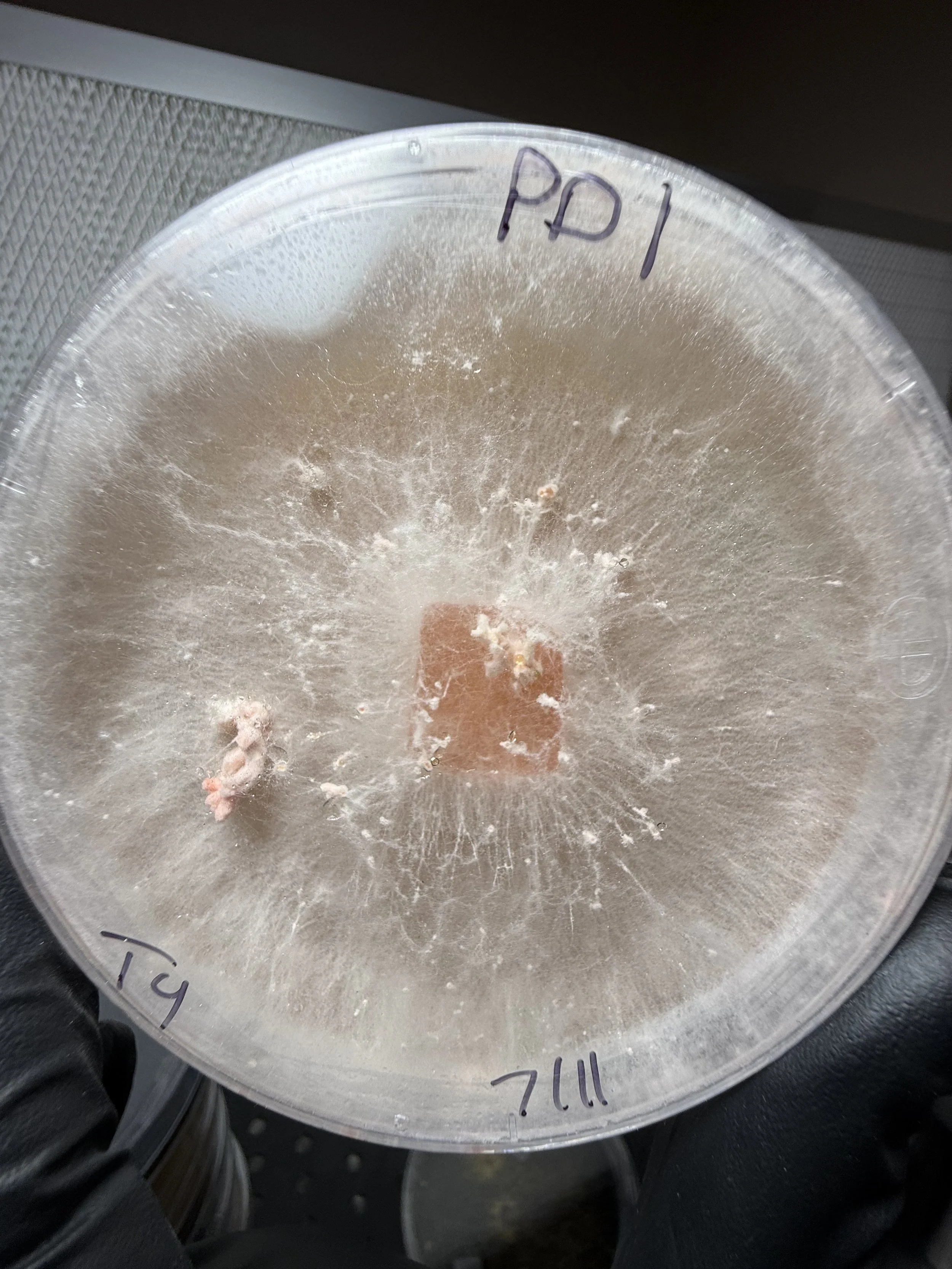
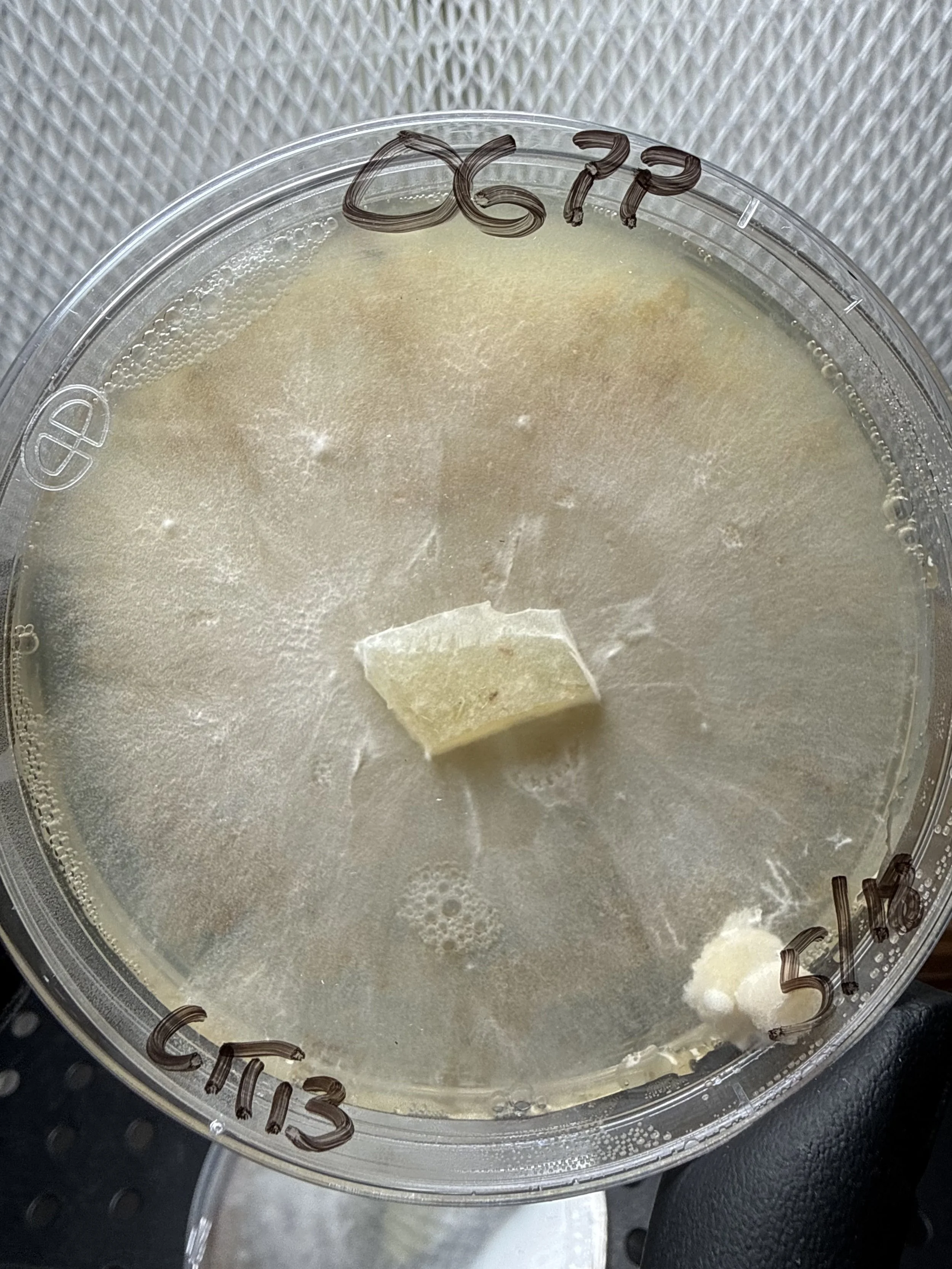
You Receive 1 Fresh 100mm MYA dish of Pholiota Adiposa “Freckled Chestnut” mycelium ready for your further expansion.
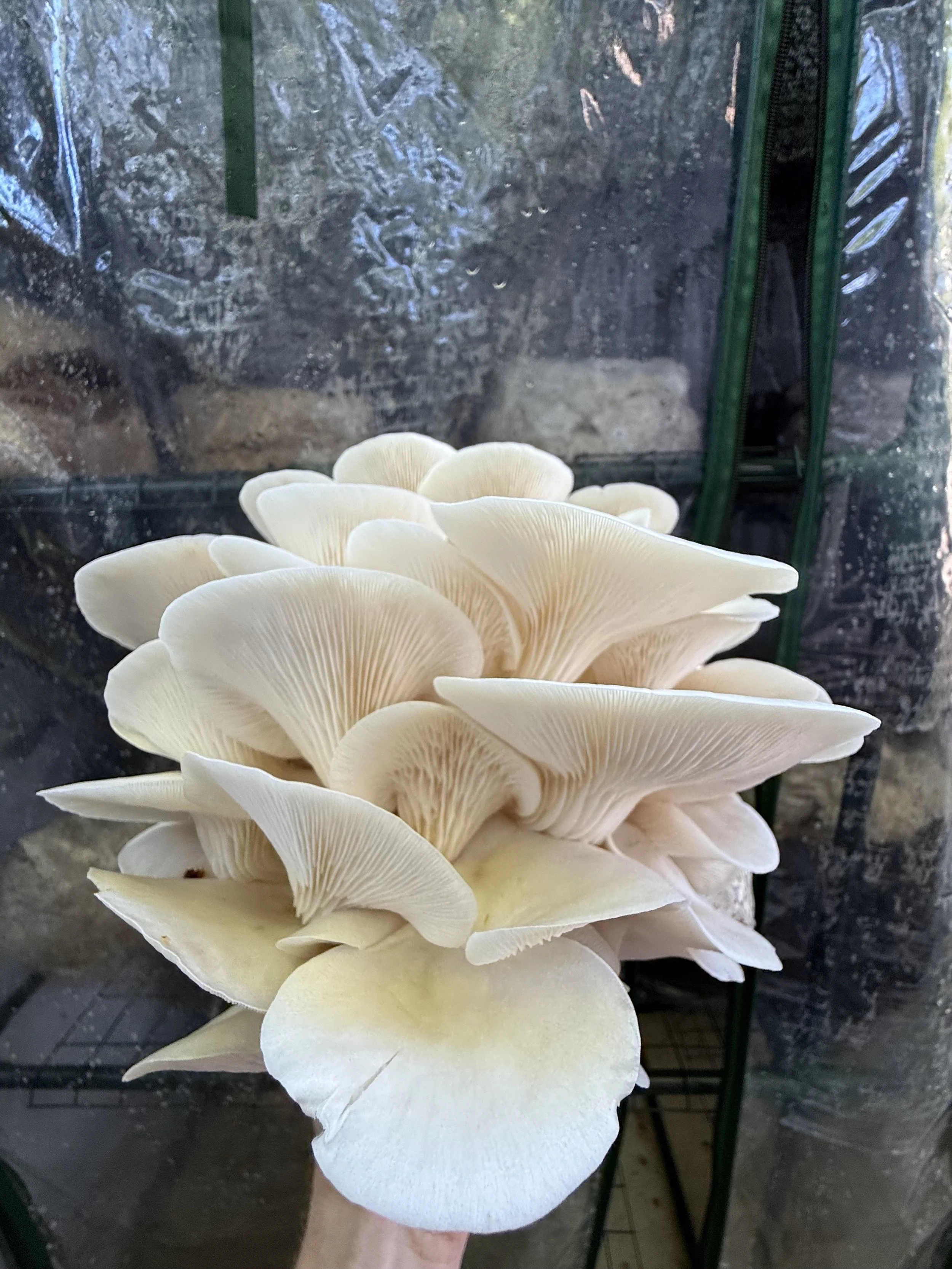
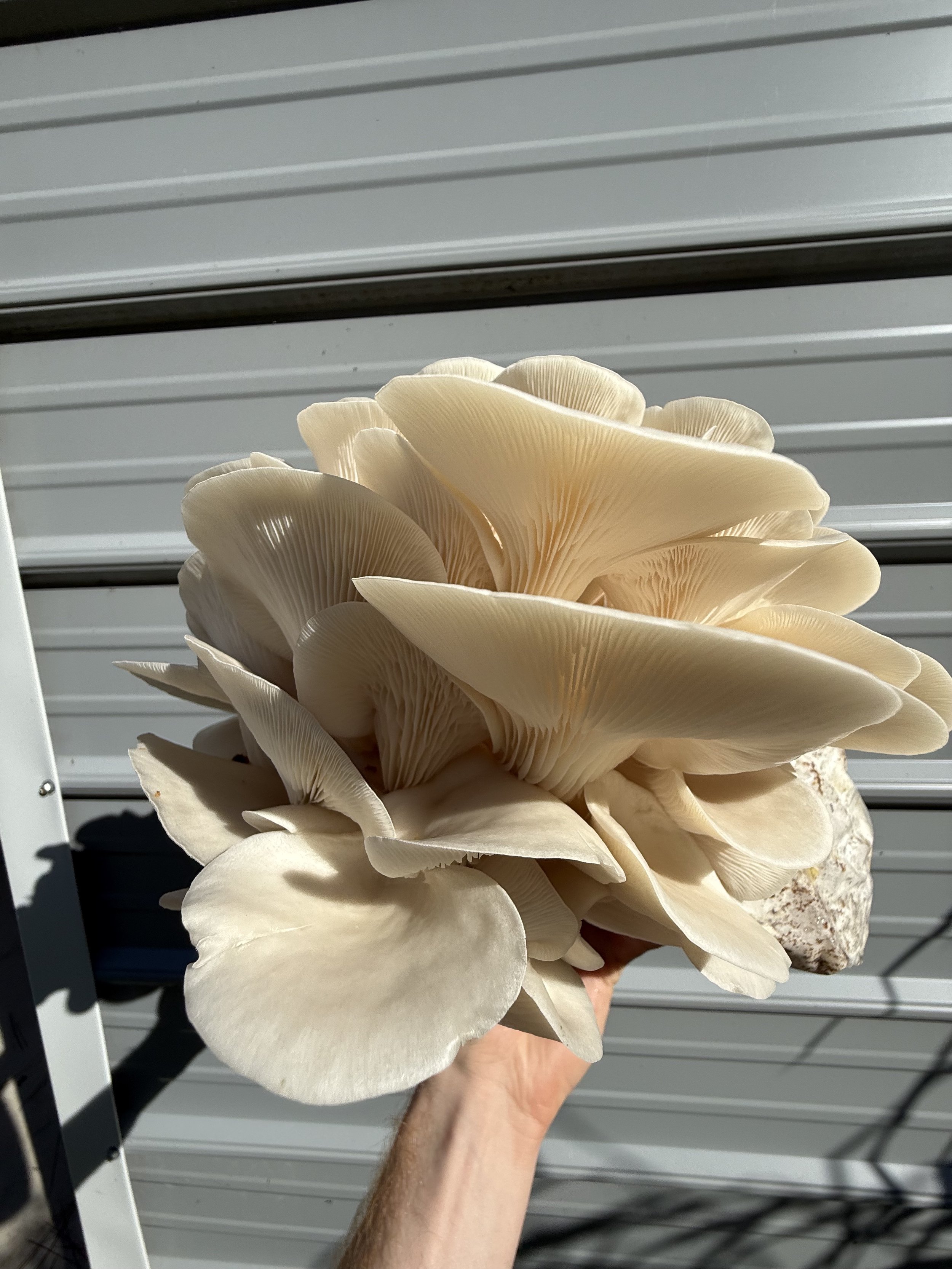
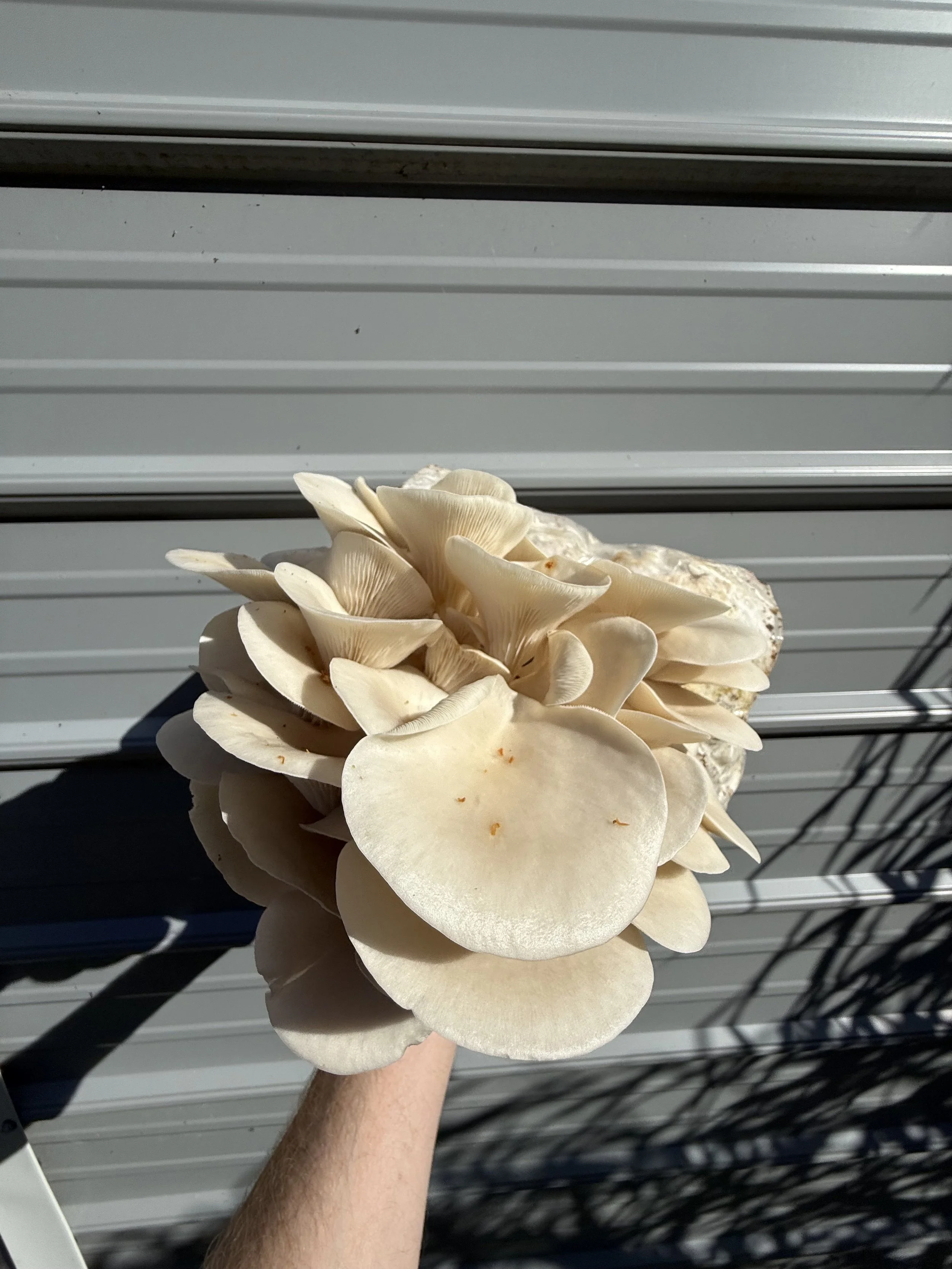
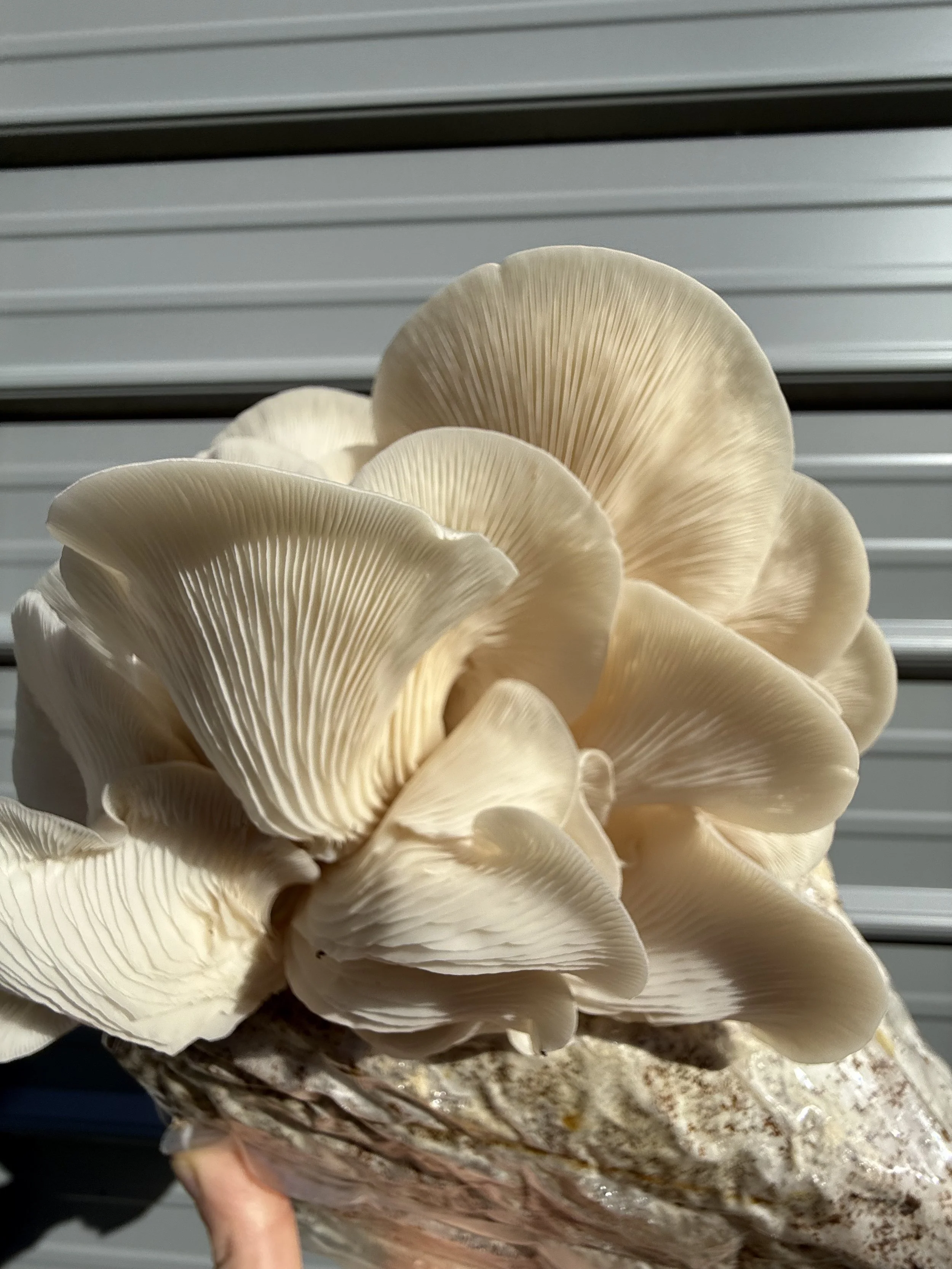
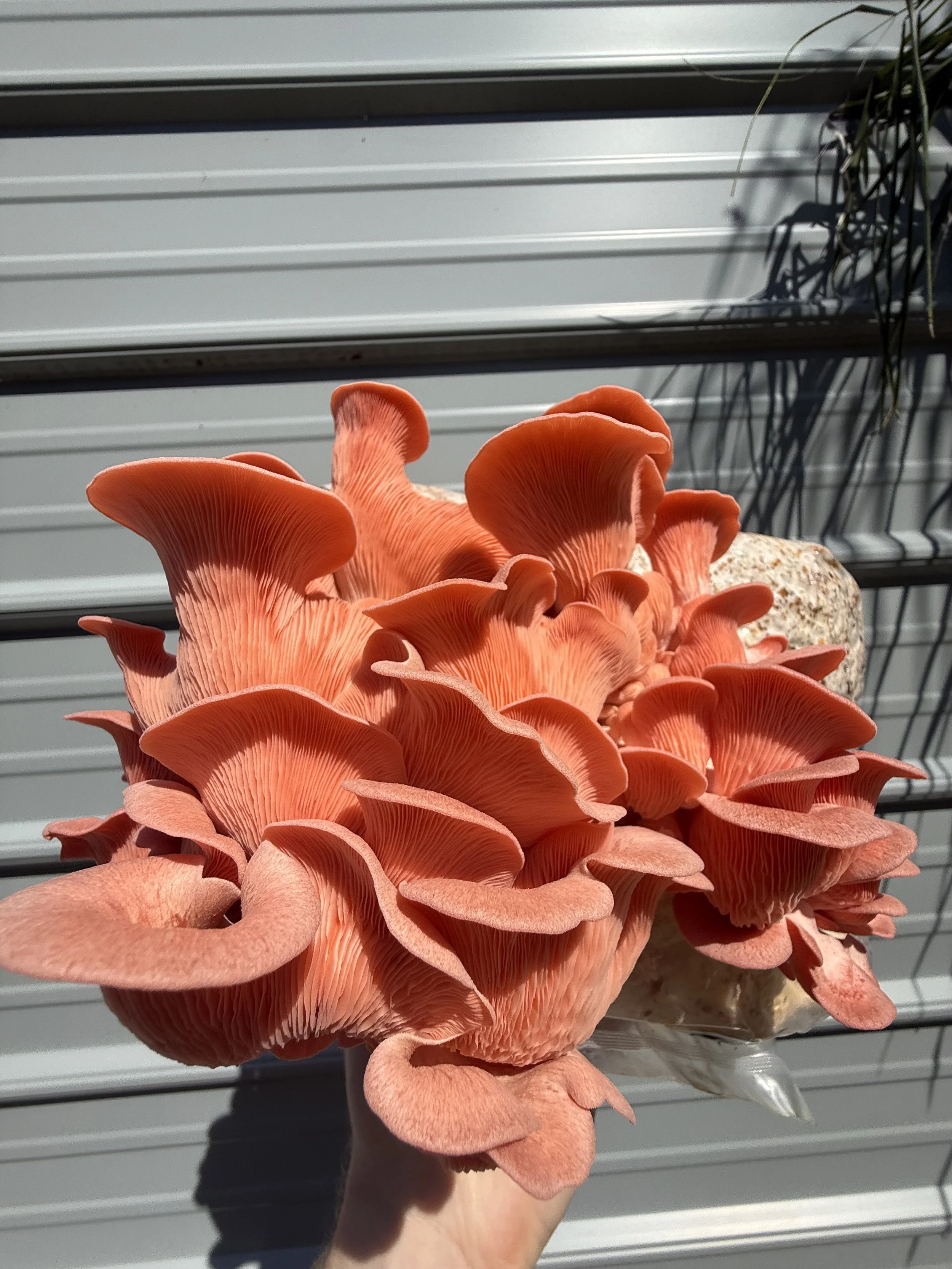
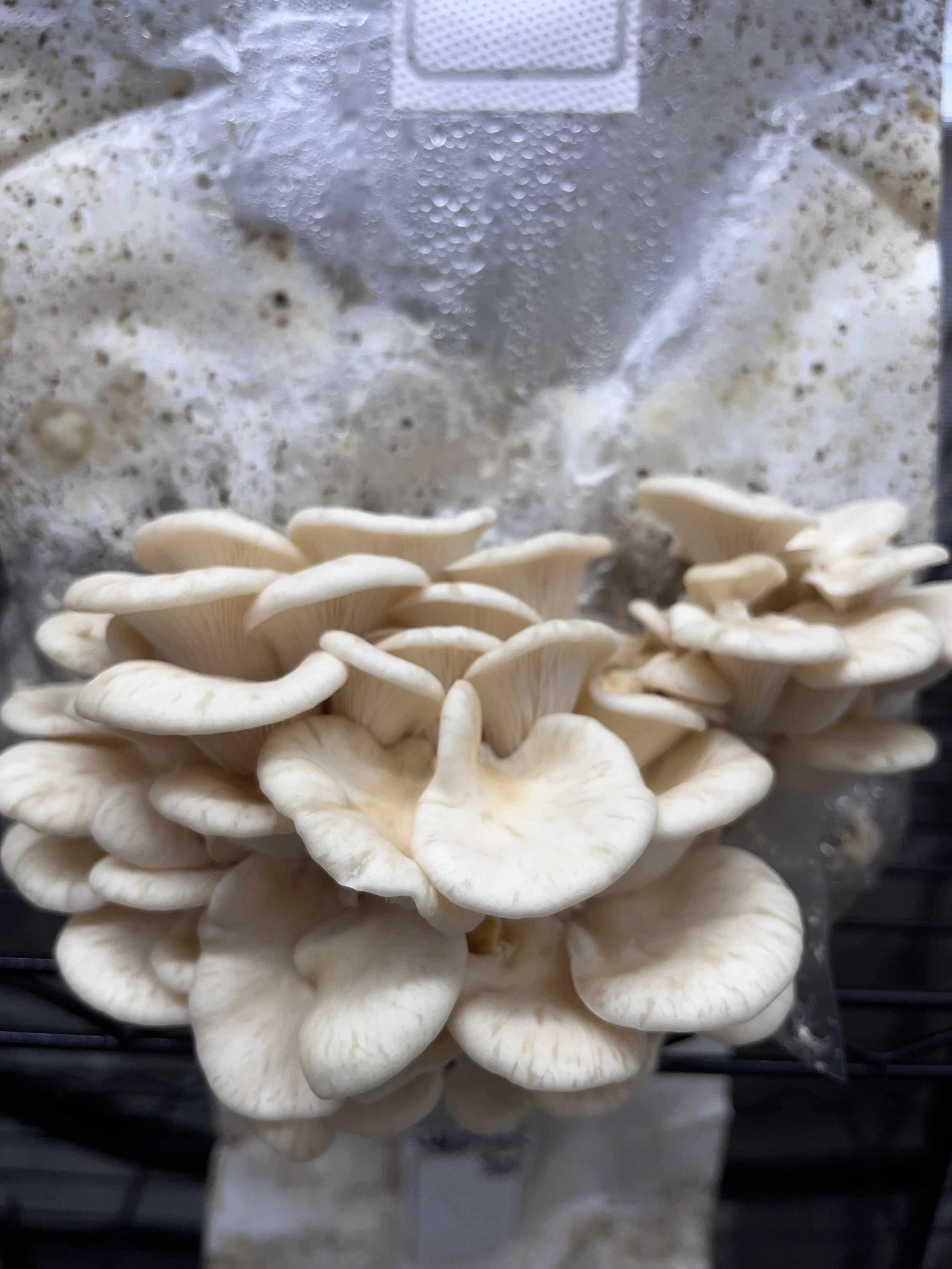
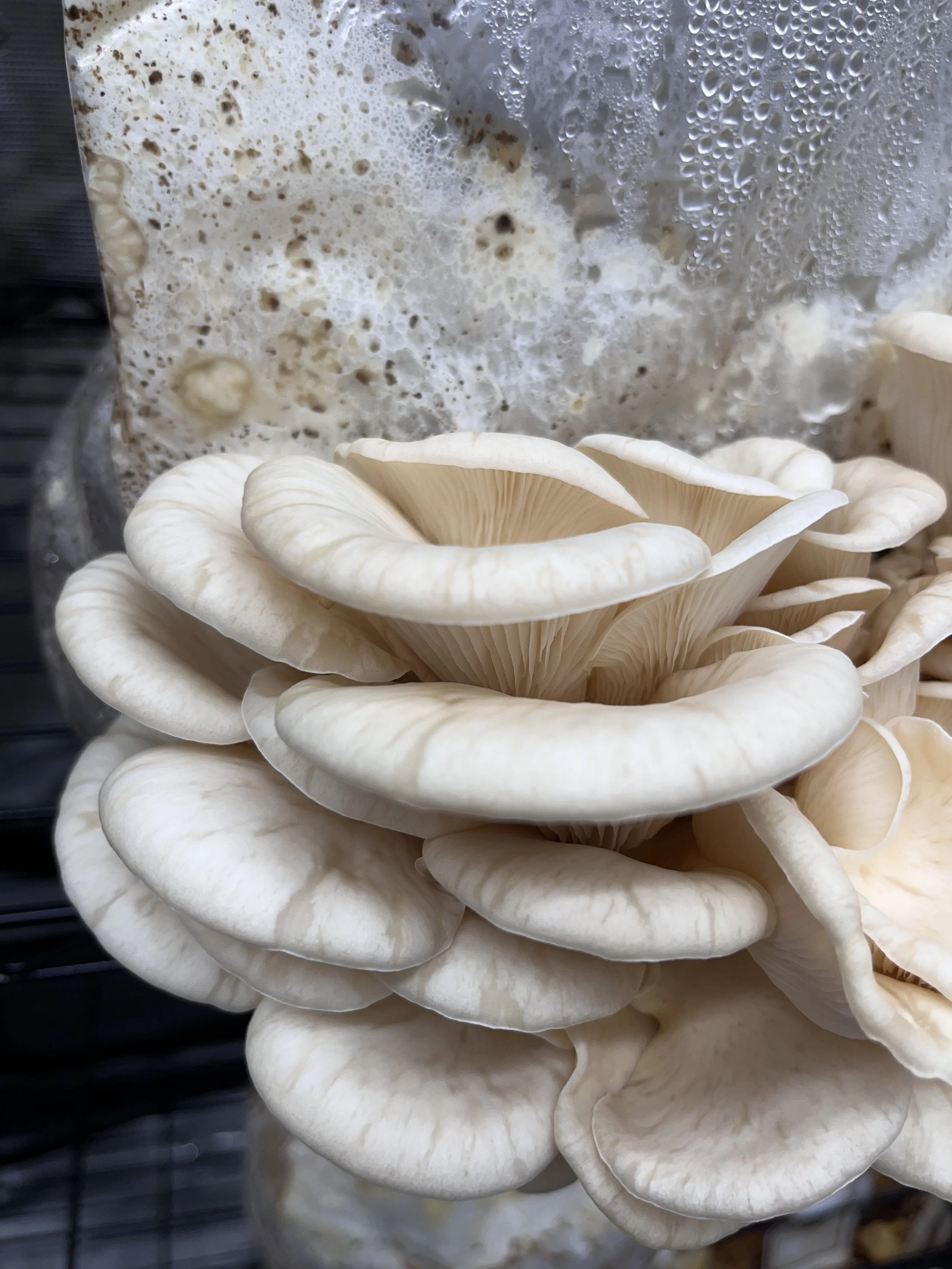
One of my favorite mushrooms to grow and eat, Pholiota adiposa, the Freckled Chestnut Mushroom.
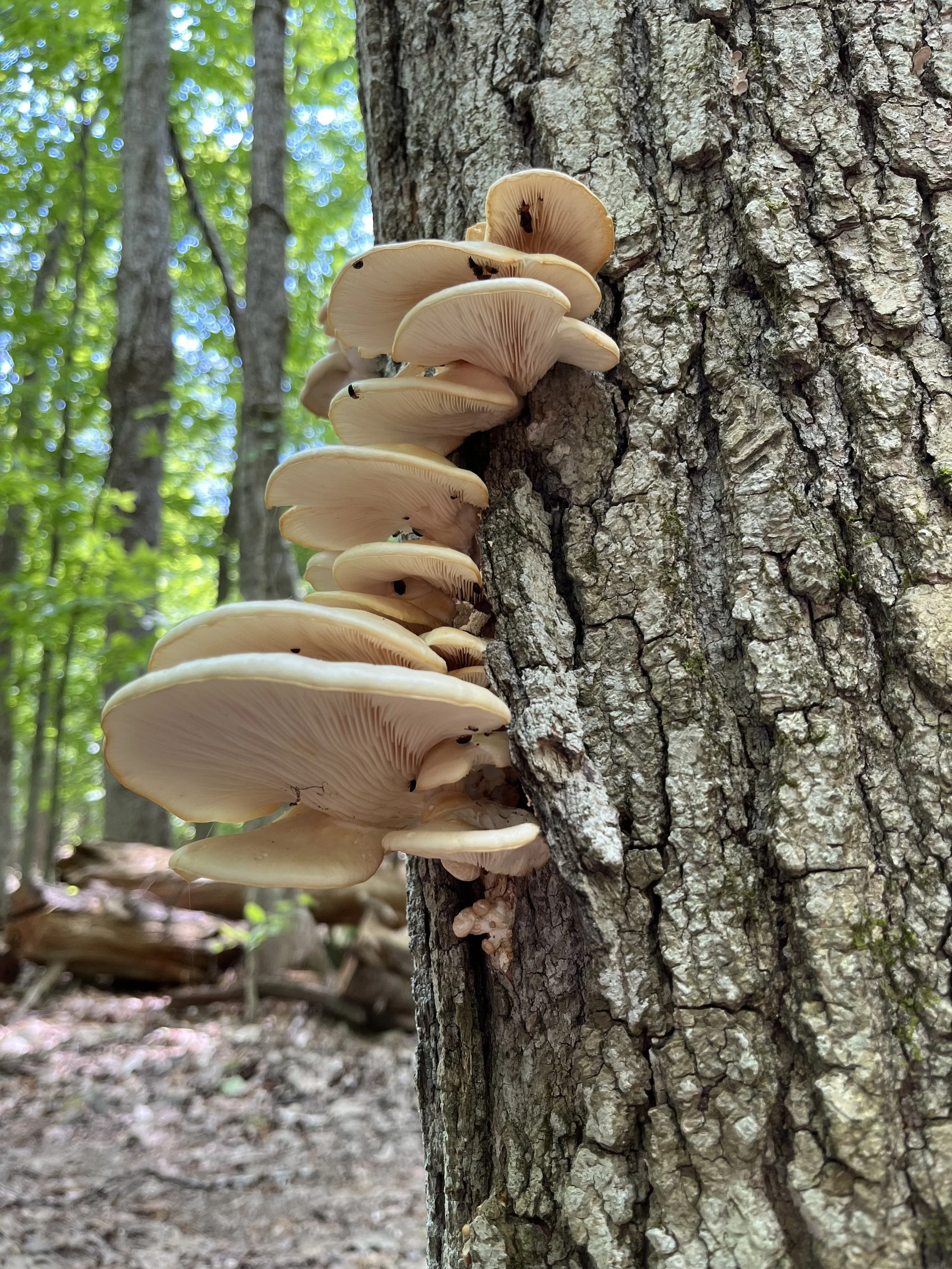
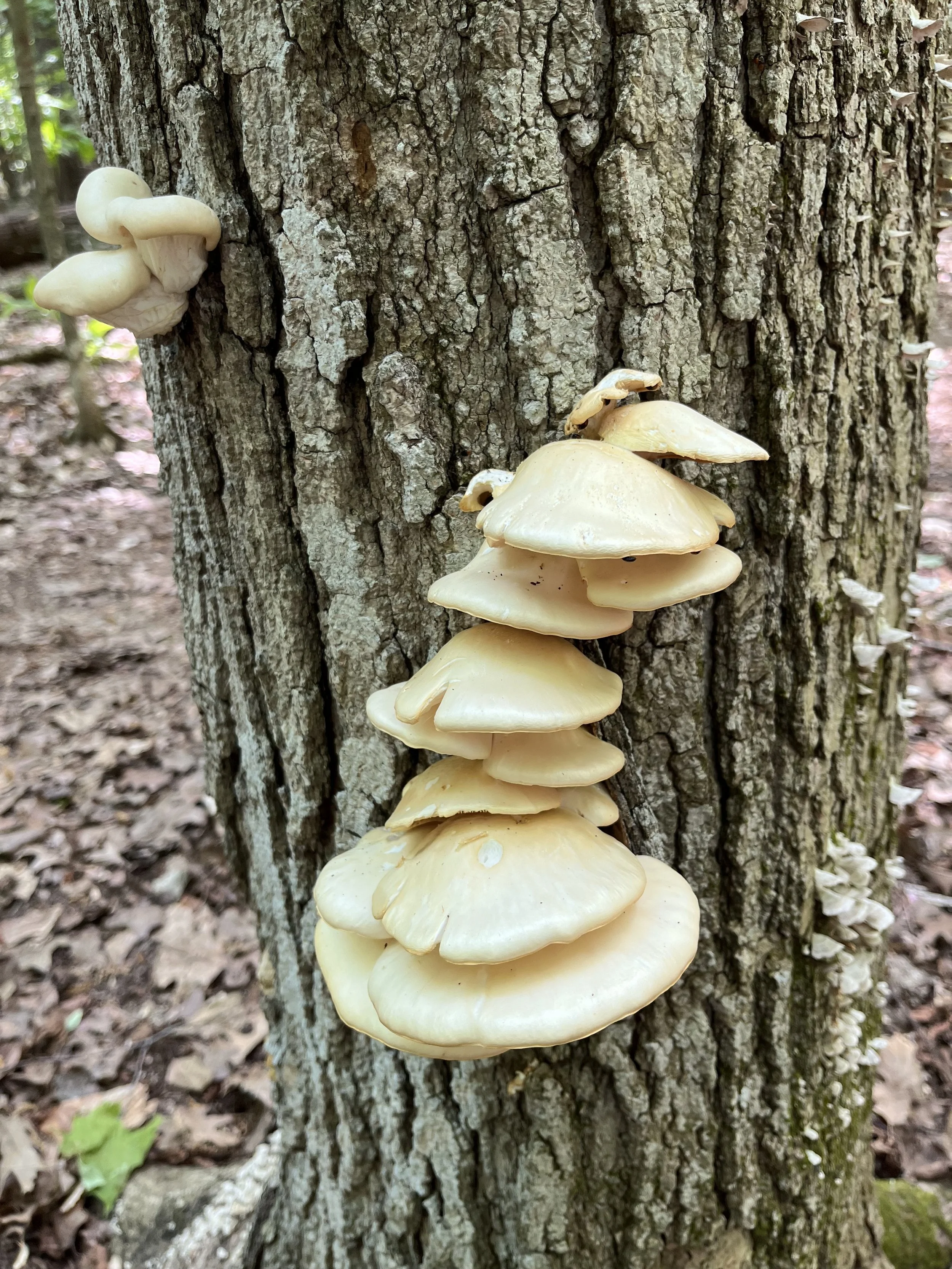
These take a little longer than most, but the wait is worth it. The substrate needs roughly 6 weeks of incubation before fruiting is initiated, you're looking for rich golden-amber metabolites developing throughout the block. That's your visual cue. Once you give it the cold drop it needs, the fruits pop: tight clusters of rounded caps covered in fibrous scales that look like spikey little turtle shells. Firm, crunchy texture after the pan fry with a rich, nutty, meaty depth that stands up to high heat.
In the wild, P. adiposa grows on hardwood logs and stumps across temperate forests: beech and oak are common hosts. That natural substrate preference carries into cultivation: supplemented sterilized hardwood blocks are the path. This species does need colder temperatures than some to initiate fruiting.
Cultivation Overview
Chestnut Mushrooms do better with sterilized, supplemented hardwood substrate — pasteurized is not sufficient for reliable, contamination-free colonization. Colonization runs at 70–75°F for a minimum of 6 weeks. The visual cue to initiate fruiting is golden-amber metabolite development throughout the block. Do not rush this stage. Once the block is fully primed, drop to cool fruiting conditions (under 65°F), slice the bag and the cluster formation follows.
Fruiting Conditions
Temperature: 55–65°F fruiting (under 65°F)|60–75°F colonization
Humidity: 65–95% RH during fruiting
Light: Indirect or diffused light
Fresh Air Exchange: Moderate — consistent airflow without drying the block surface. Can handle higher CO2 better than Oysters.
Incubation: Minimum 6 weeks: wait for golden metabolite development before initiating fruiting
Best Season: Fall and winter runs: or a dedicated cool/cold fruiting chamber
Characteristics
• Scaled, freckled cap surface — tight clusters with a distinctive turtle-shell look
• Firm, crunchy texture after cooking — holds up at high heat
• Rich, nutty, savory flavor with depth
• Two-stage cultivation: warm incubation → cold fruiting
• Golden metabolite development is the readiness indicator
• Sterilized hardwood substrate only
• Specialty cool-weather cultivar — fall and winter production
Ideal For
• Cultivators with a dedicated cold fruiting chamber or cool fall/winter space
• Intermediate growers ready to work with a more demanding species
• Gourmet production, visually and culinarily distinct from standard varieties
• Chefs and market growers looking to differentiate
• Agar work and culture expansion
• Anyone who wants to grow something genuinely different
Chestnut Mushrooms are making their way into serious kitchen conversations for a reason. The look, the texture, and the flavor are all their own. Patience is the skill set this species teaches, and it rewards that patience well. Research wise; I’m sure they’re holding onto some really cool compounds we can use for something!
Let's Myceliate Tomorrow. 🍄
*Transfers made to order: on MYA plate
You Receive 1 Fresh 100mm MYA dish of Pholiota Adiposa “Freckled Chestnut” mycelium ready for your further expansion.
One of my favorite mushrooms to grow and eat, Pholiota adiposa, the Freckled Chestnut Mushroom.
These take a little longer than most, but the wait is worth it. The substrate needs roughly 6 weeks of incubation before fruiting is initiated, you're looking for rich golden-amber metabolites developing throughout the block. That's your visual cue. Once you give it the cold drop it needs, the fruits pop: tight clusters of rounded caps covered in fibrous scales that look like spikey little turtle shells. Firm, crunchy texture after the pan fry with a rich, nutty, meaty depth that stands up to high heat.
In the wild, P. adiposa grows on hardwood logs and stumps across temperate forests: beech and oak are common hosts. That natural substrate preference carries into cultivation: supplemented sterilized hardwood blocks are the path. This species does need colder temperatures than some to initiate fruiting.
Cultivation Overview
Chestnut Mushrooms do better with sterilized, supplemented hardwood substrate — pasteurized is not sufficient for reliable, contamination-free colonization. Colonization runs at 70–75°F for a minimum of 6 weeks. The visual cue to initiate fruiting is golden-amber metabolite development throughout the block. Do not rush this stage. Once the block is fully primed, drop to cool fruiting conditions (under 65°F), slice the bag and the cluster formation follows.
Fruiting Conditions
Temperature: 55–65°F fruiting (under 65°F)|60–75°F colonization
Humidity: 65–95% RH during fruiting
Light: Indirect or diffused light
Fresh Air Exchange: Moderate — consistent airflow without drying the block surface. Can handle higher CO2 better than Oysters.
Incubation: Minimum 6 weeks: wait for golden metabolite development before initiating fruiting
Best Season: Fall and winter runs: or a dedicated cool/cold fruiting chamber
Characteristics
• Scaled, freckled cap surface — tight clusters with a distinctive turtle-shell look
• Firm, crunchy texture after cooking — holds up at high heat
• Rich, nutty, savory flavor with depth
• Two-stage cultivation: warm incubation → cold fruiting
• Golden metabolite development is the readiness indicator
• Sterilized hardwood substrate only
• Specialty cool-weather cultivar — fall and winter production
Ideal For
• Cultivators with a dedicated cold fruiting chamber or cool fall/winter space
• Intermediate growers ready to work with a more demanding species
• Gourmet production, visually and culinarily distinct from standard varieties
• Chefs and market growers looking to differentiate
• Agar work and culture expansion
• Anyone who wants to grow something genuinely different
Chestnut Mushrooms are making their way into serious kitchen conversations for a reason. The look, the texture, and the flavor are all their own. Patience is the skill set this species teaches, and it rewards that patience well. Research wise; I’m sure they’re holding onto some really cool compounds we can use for something!
Let's Myceliate Tomorrow. 🍄

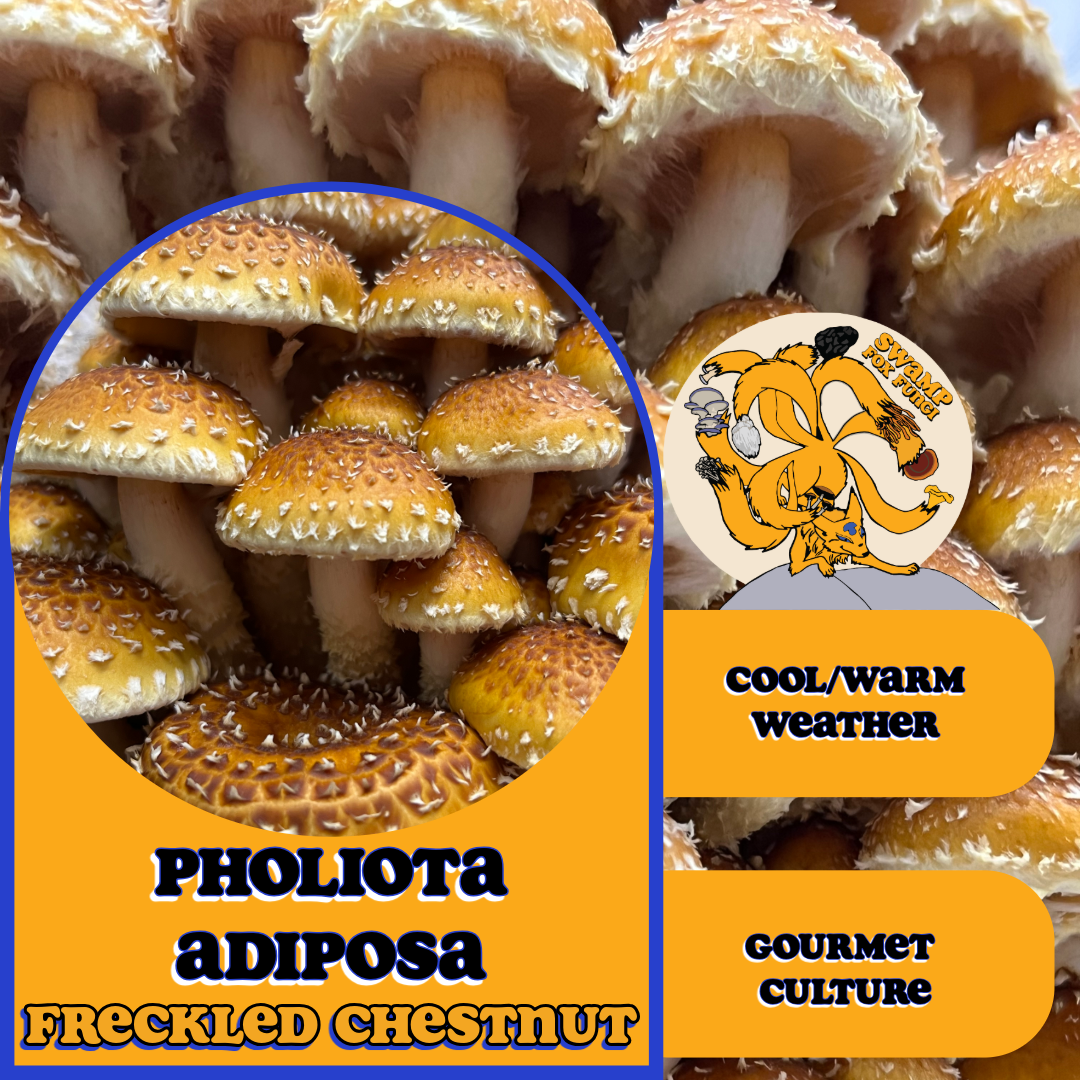 Image 1 of 6
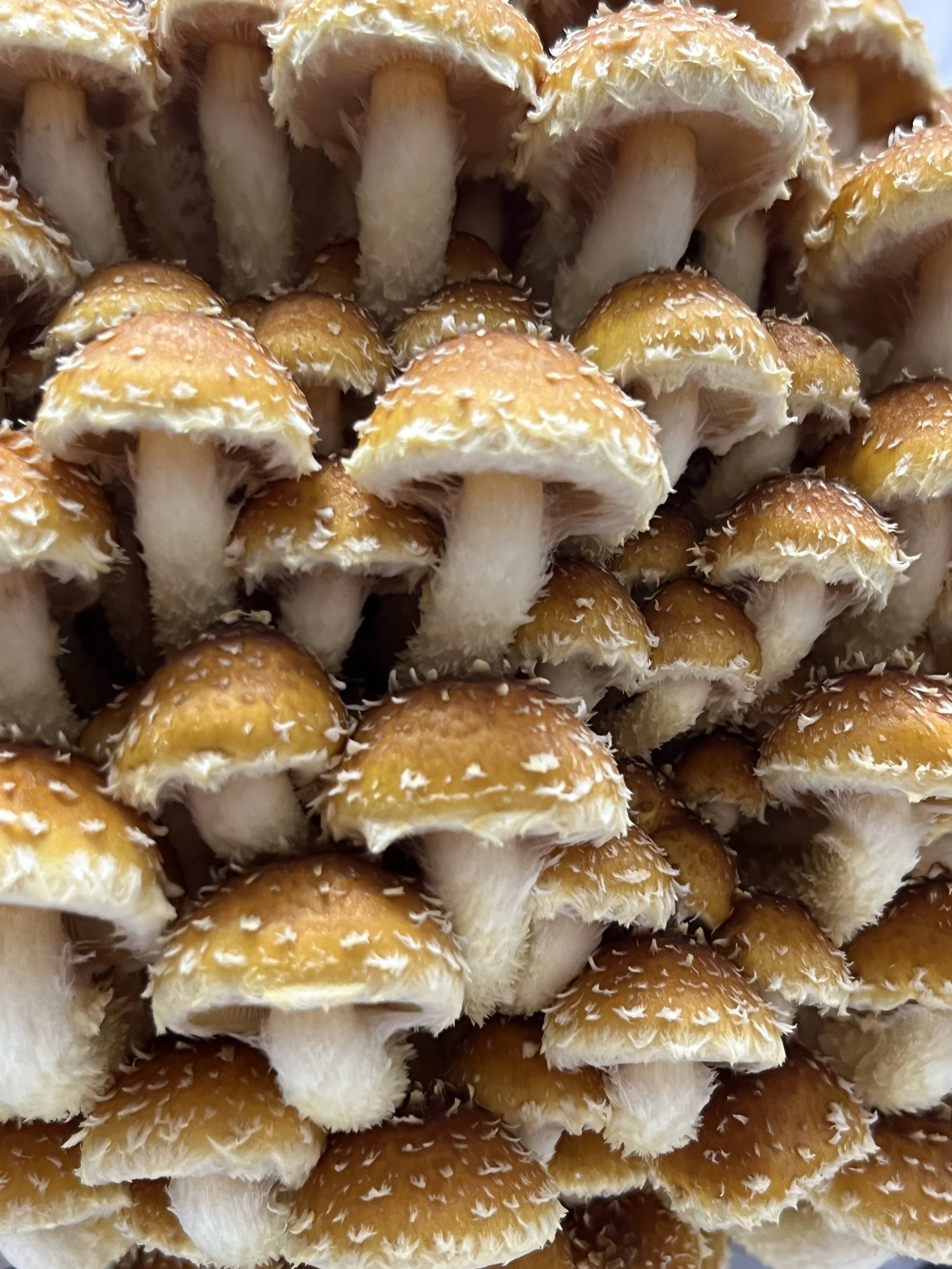 Image 2 of 6
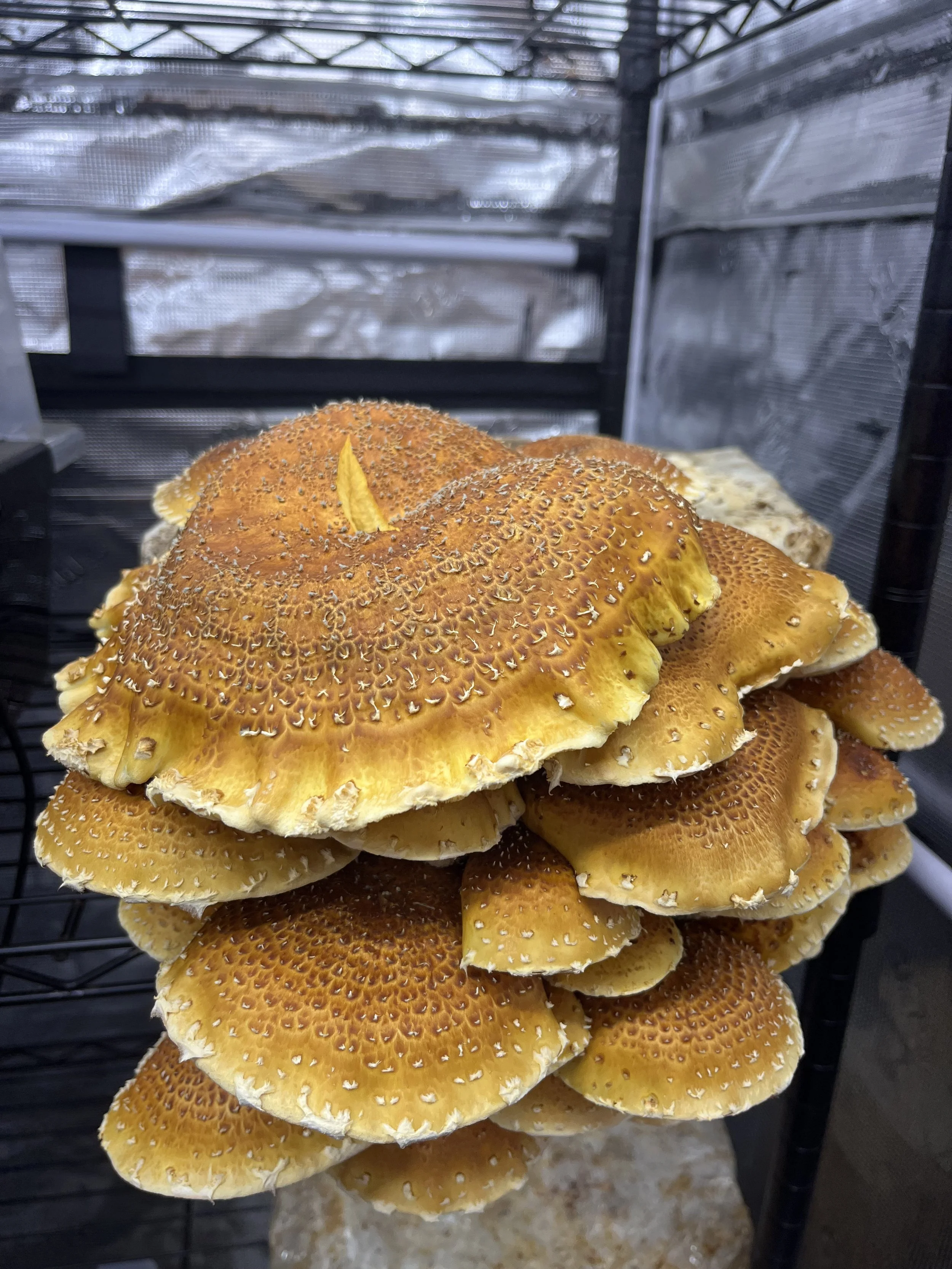 Image 3 of 6
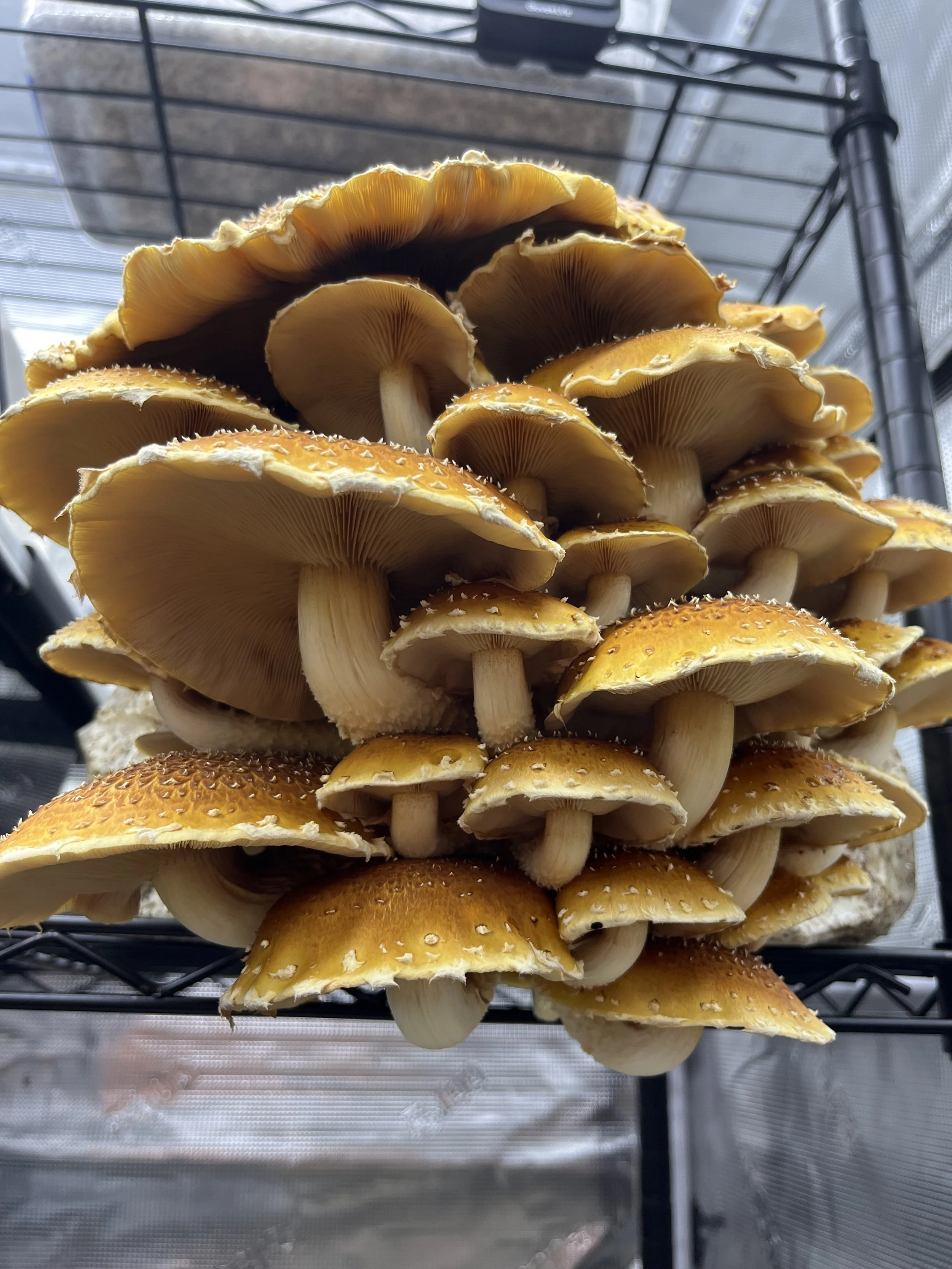 Image 4 of 6
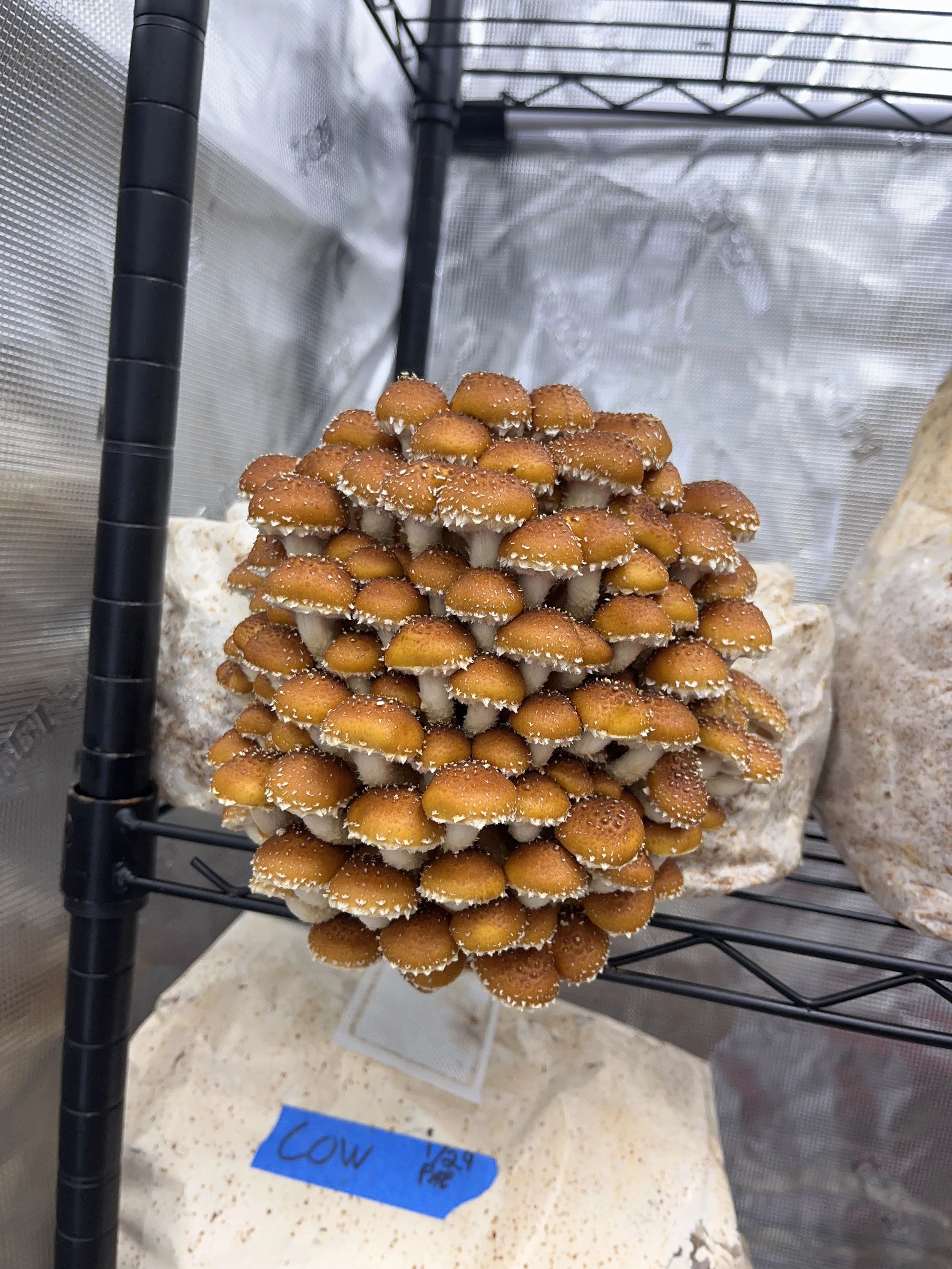 Image 5 of 6
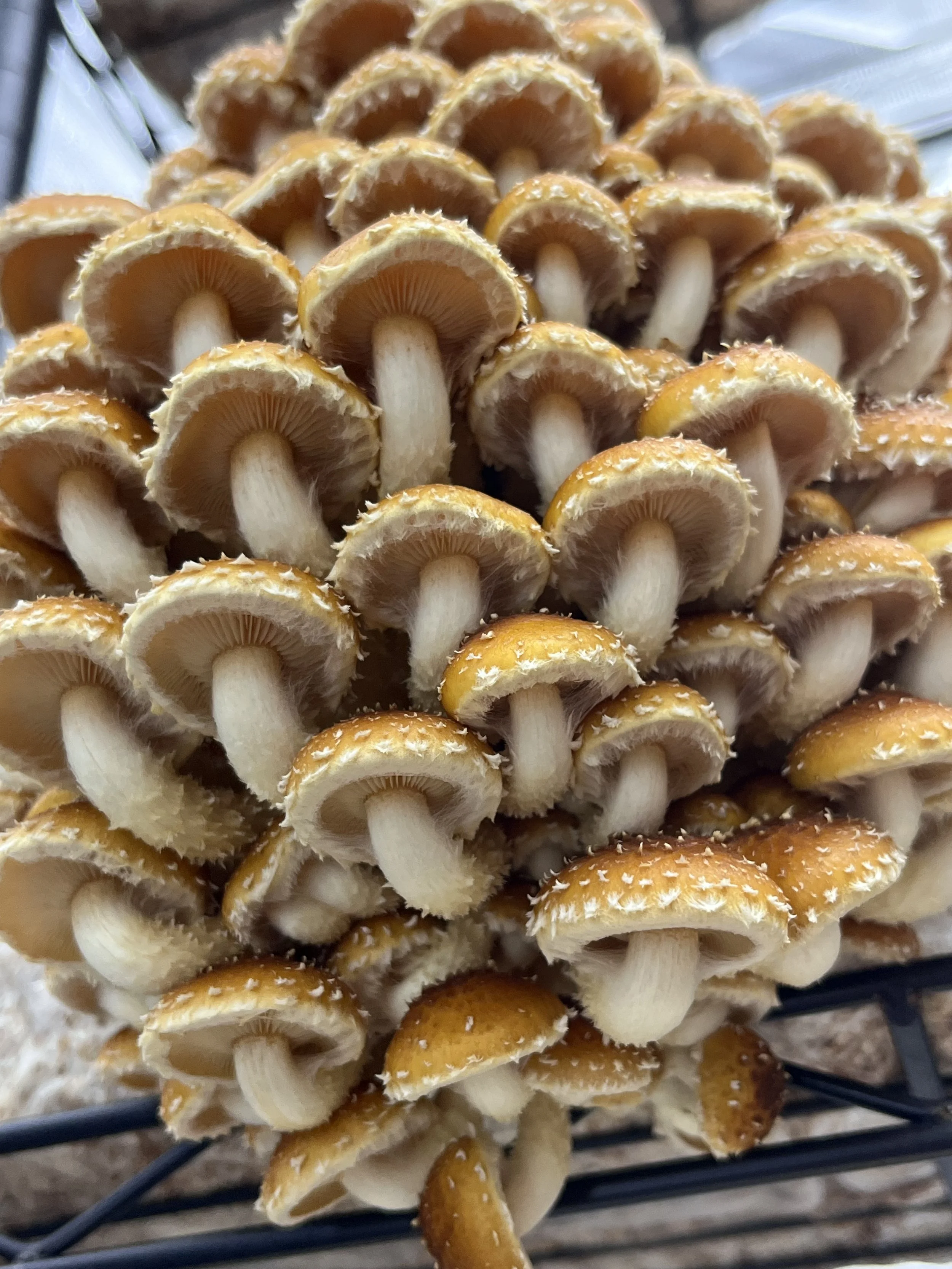 Image 6 of 6